Female Inventors: 7 Pioneers Who Changed History
Quick Reference: 7 Female Inventors and Pioneers
- Dr. Elizabeth Blackwell (1821 to 1910): first woman in America to earn a medical degree, 1849.
- Martha Coston (1826 to 1904): patented the Coston signal flare system sold to the US Navy.
- Margaret E. Knight (1838 to 1914): patented the square-bottom paper bag machine, 1870; held more than 20 patents.
- Helen Blanchard (1840 to 1922): patented the zig-zag stitch sewing machine, 1873.
- Harriet W. R. Strong (1844 to 1926): patented dams and reservoirs for water storage, 1887.
- Mary Engle Pennington (1872 to 1952): the FDA’s first female lab chief and a pioneer in food refrigeration.
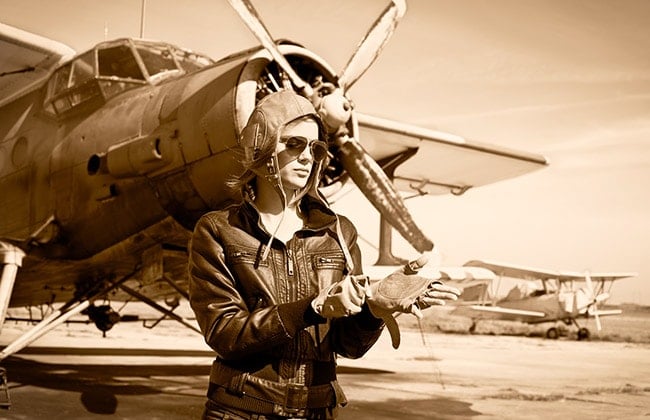
- Harriet Quimby (1875 to 1912): first US woman to earn a pilot’s license, 1911.
In the era of women’s suffrage, when most colleges and trades still shut their doors to women, these seven female inventors and pioneers used their intelligence to improve the quality of our daily lives, keep us safer, and even change the course of history. Some held patents. Some flew planes. All of them did work that still touches an ordinary American day, from the grocery bag you carry to the refrigerated milk you pour. The National Archives keeps a deep record of American women’s history if you want to read further once you have met these seven.
Why These Female Inventors Still Matter
Every name below worked between roughly 1849 and 1912, decades when a woman often could not vote, hold a degree, or sign a contract in her own name. They invented anyway. The square-bottom paper bag, the night-signal flare, the zig-zag stitch, and the science of keeping food cold all trace back to the women on this list. Their patents and firsts are a reminder that American ingenuity has never belonged to only half the country.
Dr. Elizabeth Blackwell (1821 to 1910)
After being rejected by all the major medical schools in the nation because of her gender, Blackwell was accepted at Geneva College in New York, where she became the first woman in America to receive a medical degree in 1849. Her acceptance was nearly an accident. The faculty put the decision to the all-male student body as a joke, and the students voted her in.
Blackwell established a medical practice in New York, but had difficulty getting enough patients. Along with her sister, who was a doctor, and another female physician, she opened the New York Infirmary for Women and Children in 1857. She added a women’s medical college to train and provide experience for other women physicians in 1867. The National Women’s History Museum keeps a fuller biography of Elizabeth Blackwell for readers who want the whole story.
Martha Coston (1826 to 1904)
In spite of receiving no formal education, Coston was an independent inventor and successful businesswoman at Coston Signal Company. Following notes and rough sketches left by her late husband, who was a naval scientist, she developed a system of pyrotechnic night communication that she sold to the US Navy.
The Coston signal flare and code system used bright, long-lasting flares in red, white, and green for ship-to-ship or ship-to-land signaling over great distances. The colored flares made it possible to apply the naval code to communicate letters and numbers through color combinations, which gave the Union a decided advantage in the Civil War. The Coston Signal Company operated until the 1970s.

Margaret E. Knight (1838 to 1914)
Knight is best known as the female inventor who enabled the production of square-bottom paper bags. When she patented it in 1870, she became one of the first women to receive a patent. She was an avid, mechanically inclined inventor from an early age, having created a safety device to prevent shuttle accidents in textile mills when she was only 12 years old.
Knight went on to hold more than 20 patents for industry-changing inventions as disparate as shields for dresses and skirts and machines for manufacturing shoes. The flat-bottom bag she designed is still the basic shape of the grocery sack folded under most American kitchen sinks today.
Helen Blanchard (1840 to 1922)
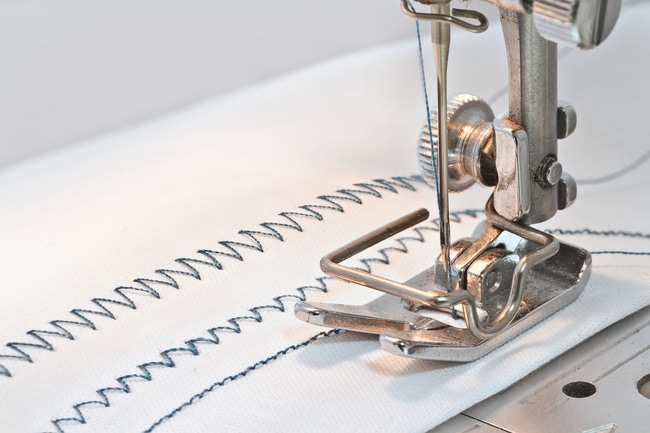
Blanchard is the inventor of the zig-zag stitch sewing machine, which she patented in 1873. The zig-zag stitch seals the edges of a seam, making a garment sturdier, and also makes buttonholes.
Her improvements to sewing machines led to industrial growth, because the majority of her inventions were installed in large factories, saving time and money in the commercial sewing industry. One of her machines is in the Smithsonian Museum of American History.
Harriet W. R. Strong (1844 to 1926)
After her husband committed suicide, Strong was left at age 39 a single mother in charge of four daughters and a 220-acre ranch in San Gabriel Valley in California. To make the ranch profitable, she studied irrigation, horticulture, and commodity crops that could grow on semi-arid land. In 1887, she patented her invention of a system of dams and reservoirs for water storage and flood control.
Strong became known as an irrigation expert and her work in water irrigation and conservation helped to make Southern California into a significant agricultural region. She also developed the market for pampas grass and grew walnuts, eventually becoming the leading commercial grower of walnuts in the US. Any gardener fighting dry ground would recognize a kindred spirit.
Mary Engle Pennington (1872 to 1952)
Pennington first studied chemistry, receiving a certificate of proficiency in 1892, because at the time, most universities denied degrees to women. She went on to earn a PhD in 1895 from the University of Pennsylvania, which had become one of the few universities in the country to grant such degrees to women. She was only 22.
Unable to find a job after graduation, she formed her own Philadelphia Clinical Laboratory where she performed bacteriological analyses. Early in her career, she educated farmers in the handling of raw milk in order to improve the safety of ice cream sold to school children.
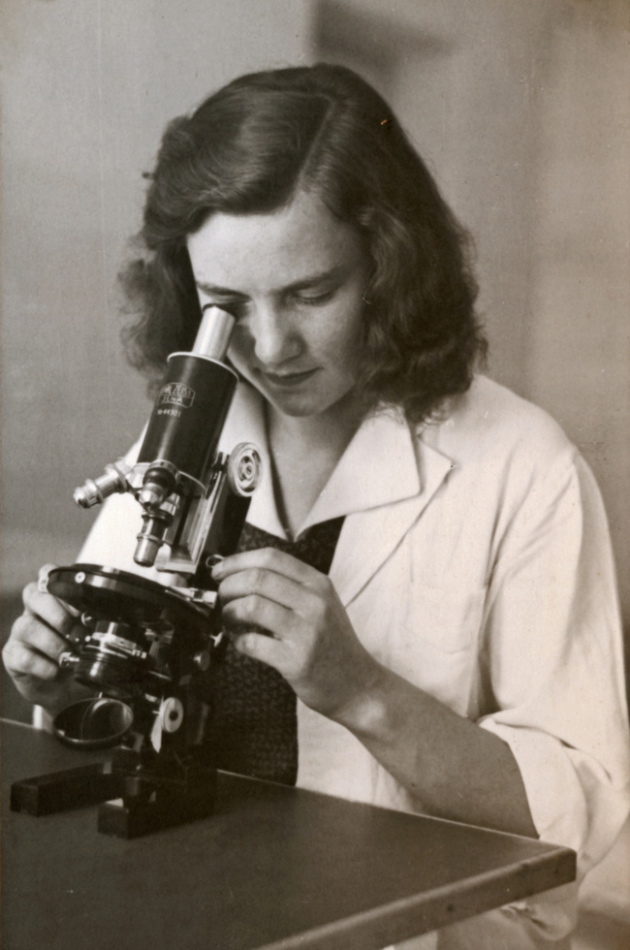
In 1905, Pennington joined what would become the US Food and Drug Administration (FDA), and after the passage of 1906’s Pure Food and Drug Act, she became chief of the Food Research Laboratory, making her the FDA’s first female lab chief. Pennington devoted most of her career to the study of refrigeration and its application to food freshness and safety.
Harriet Quimby (1875 to 1912)
In 1911, Harriet Quimby became the first woman to get a pilot’s license in the US and the first woman to fly a plane at night. She went on to become the first woman to fly across the English Channel in 1912.
Before becoming a pilot, Quimby was a premier journalist, photographer, and race car driver. She documented her aviation activities in the New York publication, Leslie’s Illustrated Weekly. Her leadership in aviation inspired many women of her day.
A Quick Timeline of Firsts
Join The Discussion!
Which of these 7 women inspired you the most?
Who is a female inventor or pioneer that you would like to see included here?
Let us know in the comments below.

Female Inventors and Pioneers: Frequently Asked Questions
Who was the first woman in America to earn a medical degree?
Dr. Elizabeth Blackwell, who graduated from Geneva College in New York in 1849. She had been rejected by all the major medical schools of the day because of her gender. She later opened the New York Infirmary for Women and Children in 1857 and added a women’s medical college in 1867.
Which female inventor invented the square-bottom paper bag?
Margaret E. Knight enabled the production of square-bottom paper bags and patented her machine in 1870, becoming one of the first women to receive a patent. She held more than 20 patents over her lifetime, beginning with a textile-mill safety device she designed at age 12.
What did Mary Engle Pennington do for food safety?
Pennington earned a PhD in 1895 at age 22, taught farmers safer raw-milk handling, and in 1906 became the FDA’s first female lab chief as head of the Food Research Laboratory. She devoted most of her career to refrigeration and its use in keeping food fresh and safe.
Was Harriet Quimby the first woman to fly across the English Channel?
Yes. In 1911 Harriet Quimby became the first woman to get a pilot’s license in the US and the first to fly a plane at night, and in 1912 she became the first woman to fly across the English Channel. Before flying she worked as a journalist, photographer, and race car driver.
Did Martha Coston really invent the signal flare system she sold to the Navy?
Coston had no formal education and built on rough notes and sketches left by her late husband, a naval scientist, but she developed the working system herself and ran the Coston Signal Company. Her red, white, and green flares let ships send coded messages over great distances and gave the Union an advantage in the Civil War. The company operated until the 1970s.
Why were so many of these patents and firsts unusual for the time?
Most of these women worked during the era of women’s suffrage, when women often could not vote, hold a college degree, or own a business in their own name. Earning a patent, a medical degree, or a pilot’s license against those odds is exactly what makes their work worth remembering.
Related Articles
Female Inventor Of Windshield Wipers
Women Who Fought For The Right To Vote
The Farmers’ Almanac Long-Range Forecast
The Farmers’ Almanac Best Days Calendar
Farmers’ Almanac Campaigns And Crusades


Jean Grigsby
Jean Grigsby is a writer, who lives on the banks of the Kennebec River in Chelsea, Maine. She enjoys working out, reading, and running her marketing and public relations business, The Write Approach. Her article, Where Are All The Birds? appears in the 2021 Farmers' Almanac.
- Jean Grigsby

- Jean Grigsby
- Jean Grigsby
- Jean Grigsby