How to Grow Spinach: Planting and Harvest Guide
Quick Reference: Growing Spinach
- Plant when: spinach is a cool-season crop, so sow in early spring and again in fall, about six weeks before your last frost.
- How deep: half an inch deep, in rows 14 to 18 inches apart, thinned to 3 to 5 inches apart.
- Soil and light: rich, soft soil at pH 6.5 to 7, full sun to part shade, kept evenly moist.
- Feed: a balanced 10-10-10 fertilizer for lush leaf growth.
- Harvest: pick baby greens or mature leaves, but get them in before the plants bolt in heat.
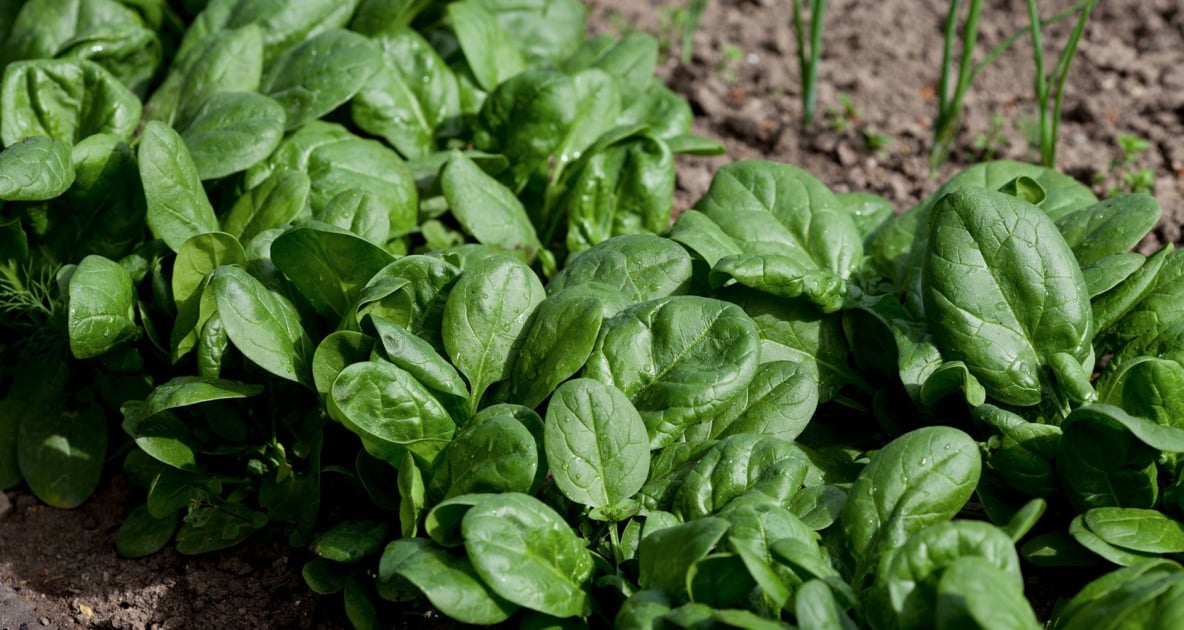
Spinach is one of the few greens that rewards you for planting in the cool shoulders of the year, when most of the garden is either just waking up or winding down. This nutritional powerhouse is a versatile green, fine raw on salads, layered in sandwiches, or cooked any number of ways, and it does as well in a container on the back step as it does in a vegetable bed if you are short on garden space. Here is how to grow spinach from seed to harvest, whether you are planting this spring or getting a jump on a fall crop.
When to Plant Spinach
Spinach is a cool-season crop, which means it grows best in early spring and fall, before and after the long, hot days of summer. Sow seeds about six weeks before your last spring frost, then sow a second round in late summer for a fall harvest. The University of Maryland Extension has a research-based guide to growing spinach if you want to confirm the planting window for your own ground.
Frost dates run weeks apart across the country, so the calendar date shifts with your region. The rule does not: plant in the cool weather on either side of summer, not in the heat of it.
| Zone | Region (examples) | Spring planting window | Fall planting window | Sow depth and spacing | Notes |
|---|---|---|---|---|---|
| 3-4 | Northern MN, ND, SD, MT, Canadian Prairie, ME highlands | Direct sow outdoors as soon as soil is workable, typically mid-Apr. to mid-May. Spinach germinates in soil as cool as 40 F. Seed tolerates light frost. | Sow July 15 to Aug. 1. Short growing season limits fall window; use cold frames or row cover to extend harvest into Oct. Source: UMN Extension. | Sow 1/2 inch deep. Space 2 inches apart; thin to 4-6 inches. Rows 12 inches apart. | Choose bolt-resistant varieties. Bloomsdale Long Standing (48-50 days) and Tyee (45-50 days) tolerate cold well. Mulch after sowing to retain moisture and moderate soil temp. Long days above 14 hours trigger bolting regardless of heat. Source: UMN Extension. |
| 5-6 | Southern MN, WI, MI, NY, PA, OH, CO foothills, UT valleys | Direct sow late Mar. to late Apr., 4-6 weeks before last frost. Soil temp should be 40-75 F for reliable germination; optimum is near 70 F. Source: NC State Extension. | Sow Aug. 1 to Sept. 1 to allow 45-50 days before first fall frost. A second sowing in early Sept. can overwinter under mulch in zone 6 for early spring harvest. | Sow 1/2 inch deep. Space 2 inches apart; thin to 4-6 inches. Rows 12 inches apart. | Space variety (25-30 days baby leaf) suits succession sowing every 2 weeks for a continuous spring crop. Bolting begins when days exceed 14 hours, typically mid-June in this zone. Pull spring plants by then and replant in late summer. |
| 7-8 | VA, NC, SC, TN, GA, PNW lowlands, Pacific Coast CA | Direct sow late Feb. to late Mar. Window is short; rising day length by April pushes plants toward bolting. | Sow Aug. 15 to Oct. 1 for the main crop. Fall is the more reliable and productive season in zone 7-8; plants can produce through Dec. or beyond with mild winters. Source: NC State Extension. | Sow 1/2 inch deep. Space 2 inches apart; thin to 4-6 inches. Rows 12 inches apart. | Spinach bolts quickly in zone 7-8 spring heat. Soil temperatures above 85 F inhibit germination. Fall planting is strongly preferred; best yields come when plants mature during short, cool days. Source: NC State Extension. |
| 9-10 | AZ, NM, southern CA, FL, Gulf Coast, TX south | Not recommended. By the time soil cools enough for germination, day length is already lengthening and heat arrives before plants mature. Brief window possible in zone 9 (Feb.-Mar.) if days stay cool. | Sow Sept. 15 to Feb. 1 (zone 9); Oct. 1 to Feb. 1 (zone 10). Wait until soil temp drops below 80 F. UF/IFAS recommends spinach planting Sept.-Mar. for north and central Florida, Oct.-Feb. for south Florida. | Sow 1/2 inch deep. Space 2 inches apart; thin to 4-6 inches. Rows 12 inches apart. | Fall and winter are the only reliable spinach seasons in these zones. Germination fails above 85 F soil temp. Space variety works well for repeated short harvests. Bloomsdale Long Standing and Tyee suit full-size fall crops. Overwintering is not needed; plants grow actively through winter. |
How To Plant Spinach
Start: This is a cool-season crop, which means it grows best in early spring and fall. Sow seeds six weeks before the last frost. Plant them half an inch deep in rows 14 to 18 inches apart. Once the seedlings have germinated, thin them so they stand between 3 and 5 inches apart, which gives each plant room to leaf out.
Water: Spinach likes a lot of water. Keep the soil moist, or use a soaker hose so the leaves stay dry and the roots stay damp.
Soil: Soil rich in organic matter is best for spinach, especially when it is nice and soft. Aim for a pH of 6.5 to 7.
RELATED: Award-Winning Spinach Recipes
Light: Full sun to part shade.
Fertilize: Use an all-purpose balanced 10-10-10 fertilizer to promote lush leaf growth.
Harvest: When it comes to harvesting, anything goes. Pick baby greens or wait for the plants to mature for larger spinach greens. Just make sure to harvest before spinach plants bolt, which typically happens faster when days have more than 14 hours of sunlight and daytime temperatures exceed 75 degrees.
Notes: If you live in a warm climate, you can grow spinach in shady spots or in between rows of taller vegetables to help keep them cooler through the summer heat.
- Spinach is a leafy, above-ground crop. Favor the light, or waxing, of the Moon for planting.
- The Gardening by the Moon Calendar lists this month’s Best Days to plant leafy greens in your area.

Keeping Spinach From Bolting
Bolting is the single biggest reason a spinach crop turns bitter and stops producing. When the plant senses long days and heat, it switches from making leaves to sending up a flower stalk, and the leaves turn bitter fast. Bolting typically happens faster when days have more than 14 hours of sunlight and daytime temperatures exceed 75 degrees, which is why spring and fall plantings beat a summer one.
You can buy yourself time. If you live in a warm climate, grow spinach in shady spots or in between rows of taller vegetables to help keep the plants cooler through the summer heat. Keeping the soil evenly moist also slows bolting, and harvesting often, taking the outer leaves first, keeps a plant producing right up until it gives in to the season.
Growing Spinach in Containers
Spinach is one of the easiest greens for a pot, a window box, or a half barrel by the door, so a small space is no excuse to skip it. Use a container at least six to eight inches deep, fill it with a soil rich in organic matter at pH 6.5 to 7, and keep it evenly moist, since pots dry out faster than the open ground. Place it where it gets full sun in the cool seasons and a little afternoon shade once the weather warms, the same rule that keeps a row crop from bolting.
Helpful Spinach Growing Links
Farmer’s Almanac Gardening By the Moon Calendar
Companion Planting: 10 Veggies That Should Grow Together
Grow These Veggies For A Fall Garden

Growing Spinach: Frequently Asked Questions
When is the best time to plant spinach?
Spinach is a cool-season crop, so plant it in early spring and again in fall. Sow seeds about six weeks before your last spring frost, then sow a second round in late summer for a fall harvest. Avoid planting in the heat of midsummer, when long days and high temperatures push the plants to bolt.
How deep and how far apart do I plant spinach seeds?
Plant spinach seeds half an inch deep in rows 14 to 18 inches apart. Once the seedlings have germinated, thin them so they stand between 3 and 5 inches apart, which gives each plant room to leaf out fully.
Why does my spinach bolt, and how do I stop it?
Spinach bolts, meaning it sends up a flower stalk and turns bitter, when days have more than 14 hours of sunlight and daytime temperatures exceed 75 degrees. To slow it down, plant in the cool seasons, keep the soil evenly moist, and in warm climates grow spinach in shade or between rows of taller vegetables. Harvest often to keep the plant producing.
What kind of soil and feeding does spinach need?
Spinach grows best in soft soil rich in organic matter, with a pH of 6.5 to 7. Keep the soil moist, using a soaker hose if you can, and feed with a balanced 10-10-10 fertilizer to promote lush leaf growth.
Can I grow spinach in containers?
Yes. Spinach does as well in container gardens as in vegetable beds, which makes it a good choice when garden space is tight. Use a pot at least six to eight inches deep, fill it with rich, soft soil at pH 6.5 to 7, give it full sun to part shade, and keep it evenly moist.
When should I harvest spinach?
With spinach, anything goes. Pick baby greens early or wait for the plants to mature for larger leaves. The one rule is to harvest before the plants bolt, so take the outer leaves often and bring in the whole crop once heat and long days set in.


This article was published by the Staff at FarmersAlmanac.com. Any questions? Contact us at [email protected].
- Farmers' Almanac Staff

- Farmers' Almanac Staff

- Farmers' Almanac Staff

- Farmers' Almanac Staff