

Why You Cannot Wear White After Labor Day: The Real History (Class, Seasons, and a Fading Rule)

Quick Reference: No White After Labor Day
- The rule: in early 20th century American etiquette, white clothing was reserved for summer wear (Memorial Day through Labor Day).
- Real reason #1: class signaling. The new American upper class used the rule to distinguish themselves from new money.
- Real reason #2: practical (cooler in summer, harder to keep clean in fall mud).
- Current status: largely dead. Vogue and other fashion authorities have repeatedly declared the rule obsolete since the 1990s.
- What still applies: heavy white fabrics (linen, summer cottons) read more summer; winter whites (wool, cashmere) work year-round.
On this page
Related Almanac guides
Sources cited in this guide
The ‘no white after Labor Day’ rule is one of the most-cited and least-understood American fashion conventions. It traces to early 20th century class-based gatekeeping by an emerging American upper class, not to anything inherent about white clothing. The rule has been declared dead by Vogue and major fashion authorities since the 1990s, but it persists in popular consciousness. This guide is the real history, why it persisted, and what modern fashion actually says about wearing white year-round.
Where the Rule Actually Comes From
Per Smithsonian American fashion history.
- The Gilded Age (1870s to early 1900s). American industrial wealth created a new upper class that needed visible markers to distinguish itself from new money.
- White as a summer-only signal. Wealthy families summered in cooler retreats (Newport, the Hamptons, the Catskills). White summer clothes signaled this leisure class. Returning to the city in fall meant returning to dark business attire.
- Labor Day as the calendrical marker. Labor Day (first Monday in September) became the symbolic end of the leisure season; old-money etiquette books canonized it as the cutoff.
- The 1950s consolidation. Etiquette books like Emily Post’s standardized the rule and spread it to middle-class America.
- The 1990s rejection. Vogue declared the rule dead in the early 1990s. Coco Chanel had been wearing white year-round since the 1920s. Modern fashion took both her side and Vogue’s.
What the Modern Rule Actually Is (If Any)
Per current fashion authorities.
- The strict rule is dead. White is acceptable year-round in any major fashion context.
- What still applies: fabric weight tells the season. Linen and summer cotton white reads summer. Wool, cashmere, fleece white (often called winter white) works year-round.
- White shoes are the most-policed item. Even after the broader rule died, white shoes in deep winter still get noticed. Now firmly acceptable but worth knowing.
- Cultural variations. Strict ‘no white after Labor Day’ is a US East Coast and Southern convention. West Coast and international fashion never followed it as rigidly.
White After Labor Day: History and Modern Rules (Detail)
Below are the original sections on the wealth-signaling history of white clothing and modern rule-breaking.
White Clothing, A Sign of Wealth?
The “Don’t wear white after Labor Day” rule may have stemmed from practicality. Prior to the advent of air conditioning, clothing choices were important for keeping cool in the summer. Whites and lighter-weight fabrics were more popular during the warm months, and in the winter, people naturally switched to darker colors and heavier fabrics. Perhaps since people already chose light colors to stay cool in the summer, the fashion world went ahead and made the rule an official one. Once Labor Day (the unofficial end of summer) arrived, it was time to retire those whites.
However, others speculate that the rule came from the fashion practices of the wealthy. In the early 1900s, those who were well-to-do often favored lightweight, bright clothing, white linen suits and breezy dresses. Wearing white after Labor Day meant you were someone who had the means to have end-of-summer vacations. Wearing your whites beyond Labor Day was just, well … showing off.
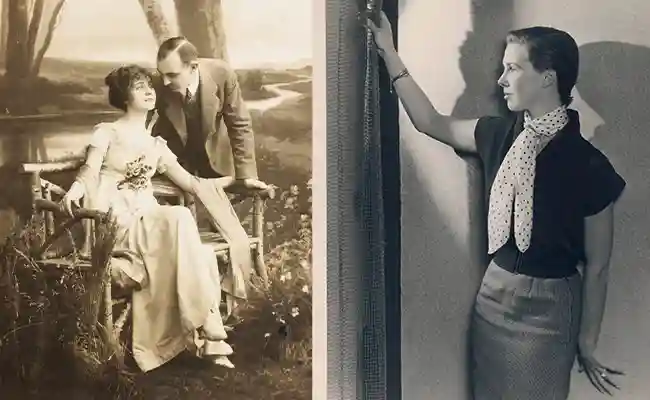
Some historians believe that this rule was actually a way for the wealthy to separate themselves from the working class. Not only could they afford vacations, and the expensive clothes to match, but they didn’t do work that stained their white clothes. Middle-class laborers, on the other hand, often wore darker colors even in the summer to hide the dirt and grime that accumulated after a hard day’s work.
Rules Are Meant To Be Broken
As with most things in fashion, rules are meant to be broken. Breaking the norm, many fashion enthusiasts happily flaunt their white attire even after Labor Day. Back in the 1920s, fashion icon Coco Chanel revolutionized the industry by keeping white as a permanent staple in her wardrobe, regardless of the season. Even in present times, many modern fashion elites follow this trend by wearing white all year-round.

While there are still those who consider post-Labor Day white clothing a no-no, plenty of fashion-forward people say if you have a flattering garment you love, wear it whenever you want, no matter the color and no matter the season. Good advice!

White After Labor Day FAQ
Can you really not wear white after Labor Day?
You can. The rule has been declared dead by Vogue and major fashion authorities since the 1990s. White is acceptable year-round in any modern fashion context. The only practical guideline that remains is matching fabric weight to season (light linen reads summer; heavy wool white reads winter).
Where did the no white after Labor Day rule come from?
Early 20th century American class-based fashion gatekeeping. The Gilded Age upper class used summer-only white clothing as a visible marker of leisure-class status. Labor Day became the symbolic cutoff. Emily Post’s mid-century etiquette books standardized and spread the rule.
Is the rule the same internationally?
No. The strict ‘no white after Labor Day’ rule is a particularly American (especially East Coast and Southern) convention. European and international fashion never followed it as rigidly. Coco Chanel famously wore white year-round starting in the 1920s.
Are winter whites acceptable?
Yes, widely. Winter whites (white wool, cashmere, fleece, cream-toned fabrics) have been a year-round staple for decades. The distinction is fabric weight: heavy fabrics in white read winter; light fabrics read summer.
Are white shoes okay in winter?
Now yes, though they remain the most-noticed item even after the broader rule died. Modern fashion fully accepts white sneakers, white boots, and white loafers year-round. Practical concerns (salt, slush, mud) are more limiting than fashion rules.


Amber Kanuckel
Amber Kanuckel is a freelance writer from rural Ohio who loves all things outdoors. She specializes in home, garden, environmental, and green living topics.
- Amber Kanuckel

- Amber Kanuckel

- Amber Kanuckel
- Amber Kanuckel





I’ve never heard of not wearing white after labor day. I don’t wear white hardly at all. Only because it gets dirty so easily and if you have dog forget about it stay clean for whole day. Painter who paint houses interiors wear white everyday. Why,so this way if they are painting using colors other than white they can see if they brushed up against the color and the paint is on their white clothes they can determine where they brushed up against what ever they were painting.
I always thought it was so you don’t clash with, or get lost in the snow. I live in Northern Canada where the snow comes early in Fall. I thought it was a more local tradition, and didn’t realize how widespread the tradition was, as in non-snowy areas. I can now laugh at what I thought all these years.What if you got married after Labor Day, were you allowed to wear white then ?
I live in Florida where you can wear white almost all year round.
I’ve always been puzzled about wearing white after Labor Day……. I never new the answer till now. 27 yrs. ago I had to wear a white shirt for work all yr. round. Great article !
Thanks, Deborah! We really appreciate you letting us know that this was helpful content for you. Best wishes!
Last year, here 8n Texas, we were still in the triple digits, temperature-wise, after Labor Day for a couple of weeks and triple digits heat index for a while after that. You bet that I still wore white after Labor Day.
I was brought up NOT to wear white after Labor Day. I’m 77 and I still follow that “tradition”. Why you ask, I have no clue. My mother instilled that in me and perhaps as a result of my upbringing and respect for my mother, I won’t wear white after Labor Day.
Hi Rosemary, Thanks for sharing your memory of your mother here with your FA community. We hope you enjoy the last days of summer and have a wonderful fall season.
I have know about this rule since I was a child. Now maybe in your next article you can discuss Winter White.
Ah, interesting thought, Jean! FA Community, what do you think? Respond to this thread if you would like to hear more about “winter white.”
Yes yes yes
I never heard of the rule until the last couple of months. I thought it was preposterous until I looked it up on google.
So I asked my husband if he knew why people didn’t wear white after Labor Day?
He quickly answered because darker clothes retain the sun’s heat, making it warmer on the colder days, where as white reflects the sun’s heat during hot days. I was surprised and shocked he knew this. Um so he just guessed a reason, but honestly it’s the best explanation I’ve heard, from somebody who has no clue why people don’t wear white after Labor Day.
Surprised a man would know this!
Why are you surprised? Men are proven to be more logical.
Proven? By what standard? Not the old ” everybody knows” one …
Yeah. My 4 brothers knew this from my mom.