

Winter Weather Wimps: 7 US Cities That Can’t Handle Snow
When it comes to winter weather, one person's flurry is another's freak-out. Do you live in one of these 7 weather wimpy cities?
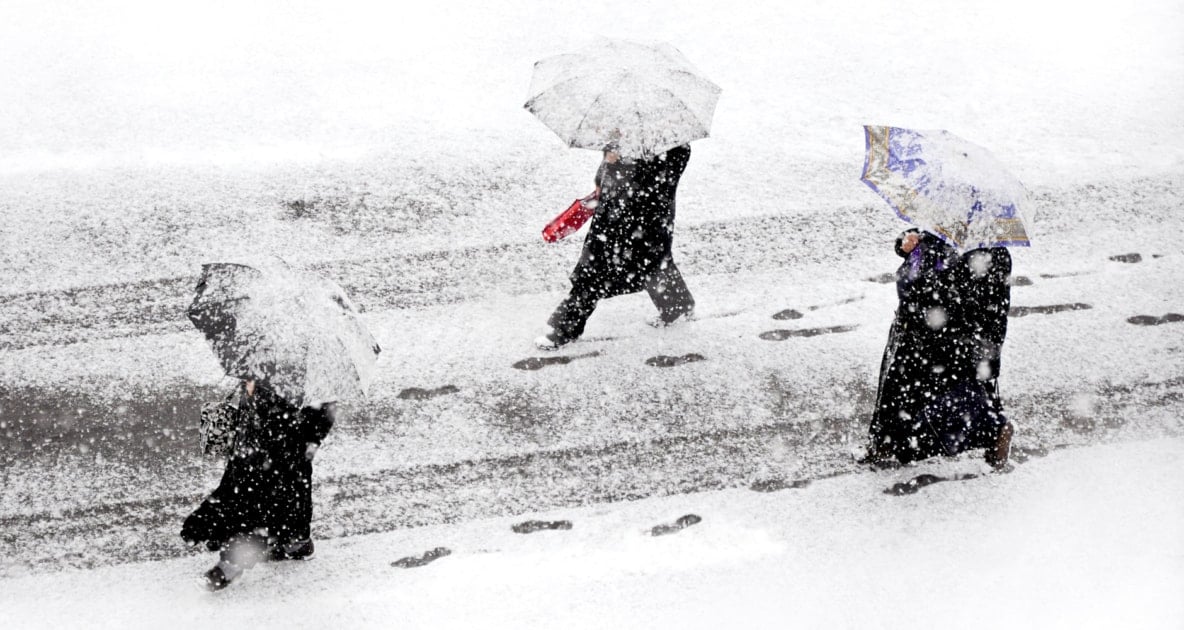
Quick Reference
- The 7 cities: Seattle, Los Angeles, Atlanta, Dallas-Fort Worth, New Orleans, Columbia (SC), and Washington DC.
- Why they freeze up: rare snowfall plus minimal road-salt and plow infrastructure plus traffic patterns built for warm weather.
- The threshold: in most of these cities, 1 to 3 inches of snow is enough to close schools, ground flights, and stall the highways for hours.
- The defining incident: Atlanta’s “Snowmageddon 2014” produced 1 to 3 inches of snow on January 28, stranded thousands of motorists overnight, and kept school buses on the road past midnight.
- Why the contrast matters: the same 2 inches that shuts down Atlanta is a routine Tuesday in Buffalo or Minneapolis.
One person’s flurry is another person’s freak-out. A storm that shutters a southern city for two days is a routine Tuesday-morning commute in Buffalo. The difference is not just the inches; it is decades of municipal infrastructure, road-salt budgets, plow inventories, driver experience, and the simple fact that some cities almost never see snow and have never bothered to prepare for it. These seven U.S. cities have all earned their reputations as “weather wimps.” Here is what each one looks like when the flakes start falling, and why a couple of inches of powder can paralyze a metro area of millions.
1. Seattle, Washington
Seattle is one of the northernmost large cities in the lower 48 states, but its proximity to Puget Sound, the Pacific Ocean, and Lake Washington produces a moderate marine climate. Average winter highs sit in the mid-40s, and measurable snowfall is rare (the city averages about 6 inches per year, mostly in 1 to 2 inch events). The infrastructure reflects the climate: minimal road salt, a small plow fleet, and steep urban hills that become unusable when icy.
The November 22, 2010 storm is the case study. Three days before Thanksgiving, 2.5 inches of snow turned Seattle into a parking lot. Schools closed, Sea-Tac International Airport temporarily grounded flights due to icy runways, and the I-5 evening rush hour froze up for hours. The city’s hills were the killer; cars without chains slid backward down 30-degree slopes, and once one car stopped, no one behind it could move either. The 2024-2025 winter brought a similar setup, with two surprise December snow days producing a comparable freeze-up.
2. Los Angeles, California
Los Angeles almost never sees snow at the city level. Downtown LA’s most recent measurable snowfall was January 1962 (more than 60 years ago), when a freak storm dropped a trace of snow on Mulholland Drive and closed roads to the north. The largest LA snowfall on record was January 1932, when 2 inches blanketed the city before dawn and triggered a 500-person snowball fight at Pasadena City College that the LAPD eventually broke up.
The hills above LA do see snow. The San Gabriel Mountains can pick up 1 to 2 feet during winter storms, and a clear Saturday after a storm produces a postcard view from downtown of snow-capped peaks above the palm trees. But the city itself is, weather-infrastructure-wise, completely unprepared for snowfall. There are essentially no plows, no salt budget, and a fleet of drivers who have mostly never driven on snow.
3. Atlanta, Georgia
Atlanta is the canonical weather-wimp case. The city does see occasional snow and ice events, but the metro area has two compounding factors that turn small storms into catastrophes: the worst urban traffic in the U.S. (consistently in the top 5 for congestion), and a hilly metro layout that is brutal on under-equipped vehicles in icy conditions.
The defining moment is “Snowmageddon 2014.” On January 28, 2014, 1 to 3 inches of snow fell across Atlanta during the afternoon rush hour. Schools and businesses dismissed simultaneously, putting hundreds of thousands of vehicles on the road at the same instant. Traffic gridlocked. Some commuters were stranded on interstates and surface streets for over 20 hours. School buses transporting students home from early dismissals remained stuck in traffic until past midnight. Some students slept overnight at their schools after buses could not return for them. The state of Georgia learned hard lessons; subsequent storms have been managed with much earlier preemptive closures.
4. Dallas-Fort Worth, Texas
Texas is one of the warmest states in the U.S. and Dallas-Fort Worth rarely deals with significant snow. The exception is when arctic air dives unusually far south. February 2011 produced a rare 5-inch DFW storm that brought the metro to a halt two days before Super Bowl XLV (Packers vs. Steelers, played on February 6 at Cowboys Stadium in Arlington). Love Field closed for a half day, DFW International canceled over 300 flights, and the Super Bowl pre-game festivities in downtown were heavily disrupted.
The February 2021 winter storm Uri was a far more severe case, with sustained sub-freezing temperatures across Texas for nearly a week and 5 to 10 inches of snow in DFW. The state’s electrical grid failed under cold-weather load it had never been designed for, leaving millions without power for days. The 2021 event was less a “weather wimp” story than a structural failure of an entire energy infrastructure, but the standard 2 to 4 inch DFW snow event still produces familiar metro shutdown patterns.
5. New Orleans, Louisiana
New Orleans has only seen measurable snow on fewer than two dozen occasions since formal weather records began in the 1800s. Louisiana’s humid subtropical climate keeps the city well above freezing through most of winter. When snow does fall, it is national news.
The mid-January 2018 storm dropped a trace to about 1 inch of snow plus sleet and freezing rain on New Orleans. Portions of Interstates 10, 12, and 55 closed. The Lake Pontchartrain Causeway shut down. Streetcar and ferry service was suspended. Schools and state government offices in 29 parishes closed for 2 to 3 days. The January 2025 storm was even more dramatic: 8 inches of snow fell on January 21, the largest New Orleans snowfall in over a century. The city, completely unprepared at the infrastructure level, was effectively shut down for the better part of a week.
6. Columbia, South Carolina
Columbia is better known for its triple-digit summer temperatures than for any winter weather. When a New Year’s nor’easter threatened to drop 1 to 2 inches of snow on the capital city in early January 2018, local officials scrambled. School closings and delays were announced across the city, and 25 counties across South Carolina followed suit. The storm ironically delivered only about half an inch.
The January 2025 storm hit Columbia harder, with 4 to 6 inches across the metro. Schools closed for nearly a week, and some neighborhoods went 2 to 3 days without power as the city’s tree canopy (heavily oak and pine) shed branches under the unfamiliar wet-snow load.
7. Washington, DC
Washington DC is no stranger to snow (the city averages about 15.4 inches annually) but tends to grind to a halt for surprisingly modest accumulations. The combination of federal-government schedule sensitivity, dense urban traffic, and an aggressive school-closure policy means that even an inch of snow can paralyze the metro.
The January 21, 2016 incident is the example. Light snow and ice (around an inch total) caused more than 1,000 fender-benders, transformed routine commutes into seven-hour ordeals, and stranded school buses on icy streets. The much larger blizzard “Snowzilla” hit a few days later, dropping 22 inches and shutting the federal government for a full week. The pattern continues: any predicted DC snowfall above 2 inches now triggers preemptive closures across federal agencies.

Why the Same Inch Hits So Differently
Buffalo, Minneapolis, Anchorage, and Bismarck routinely handle 6, 12, even 18 inches of snow without shutting down. Atlanta, Dallas, and New Orleans can collapse under 2 inches. The difference is not the snow; it is everything around the snow.
- Plow fleet and salt inventory: a city that gets 80 inches per year invests in 200 plows and millions of pounds of salt every season. A city that gets 6 inches per year often has fewer than 30 plows for the entire metro.
- Road treatment: northern cities pre-treat highways with brine 24 to 48 hours before a forecast storm. Southern cities often have no pre-treatment program at all.
- Driver experience: a Buffalo driver has handled hundreds of snow events. An Atlanta driver may have handled fewer than five in their lifetime.
- Vehicle prep: snow tires are standard equipment in Minneapolis. Almost no Atlanta vehicles run them.
- Power infrastructure: southern utilities have not buried power lines or trimmed trees with cold-weather ice in mind. A wet 1-inch snowstorm in Atlanta produces more downed lines than a 12-inch dry-snow Buffalo storm.
- School and government policy: southern districts close at the forecast of an inch. Northern districts often run a full school day with 6 to 12 inches accumulated by dismissal.
The “weather wimp” label is a little unfair given the structural reasons. A city has no good reason to invest hundreds of millions in plows and salt for 6 inches a year. The economics work the other way; closing for a day or two is cheaper than the standing inventory needed to plow through. The label survives because the contrast (when northerners visit and watch the city shut down for a flurry) is genuinely funny.
For the contrasting list, see our 10 worst weather cities and 10 best weather cities rankings. For more on the snow-producing storm setup that hits the Great Lakes, see lake-effect snow. For winter weather safety guidance, the National Weather Service maintains a comprehensive winter weather safety center.

Frequently Asked Questions
Why does Atlanta shut down for 2 inches of snow?
Atlanta has a small plow fleet relative to its size, hilly terrain, and consistently the worst urban traffic in the U.S. When light snow lands during rush hour, vehicles cannot navigate the icy hills, the highways gridlock, and the metro effectively freezes for many hours.
When did LA last see measurable snow?
January 1962 in downtown Los Angeles. The largest LA snowfall on record was January 1932, when 2 inches fell across the city. The hills above LA, especially the San Gabriels, do see regular winter snow.
What was Snowmageddon 2014?
A 1 to 3 inch snowstorm that hit Atlanta during the afternoon rush on January 28, 2014. The simultaneous dismissal of schools and businesses produced gridlock that stranded thousands of motorists, some for over 20 hours, and kept school buses on the road past midnight.
Why doesn’t the South just buy more plows?
The economics work against it. Snowfall is rare enough in most southern cities that the cost of a full plow fleet, salt inventory, and pre-treatment program would exceed the cost of closing for a day or two when storms hit. Closing for a day is cheaper than the year-round infrastructure overhead.
How much snow does it take to shut down DC?
An inch is enough for major delays and many school closures. Two inches typically triggers preemptive federal-government closures. The January 2016 storm, which produced about an inch, caused over 1,000 fender-benders and seven-hour commutes.
Are these cities getting better at snow?
Some are. Atlanta’s response to snow forecasts has improved substantially since 2014, with much earlier preemptive closures. Federal DC follows the same pattern. New Orleans and LA, which see snow once a decade or less, still have minimal infrastructure.
Which northern cities handle snow best?
Buffalo (NY), Rochester (NY), Erie (PA), Minneapolis-St. Paul, Anchorage, Syracuse, and Bismarck all routinely handle 6 to 12+ inches without major shutdowns. The infrastructure investment, driver experience, and standard snow-tire usage all combine to keep these cities running through events that would close most southern metros for days.


Tiffany Means
Tiffany Means is a freelance writer and a degreed meteorologist. She specializes in weather forecasting and enjoys making the subject of weather (and the science behind it) more relatable. She currently resides in the Blue Ridge Mountains of North Carolina.
- Tiffany Means

- Tiffany Means
- Tiffany Means
- Tiffany Means





I’m glad to see Seattle tops the list. Seattle is about 1.5 hours west of where I live and there’s been times when I’d hear about how freaked out they get over just a couple inches of snow. Where I live, if it snows 2 inches, the city doesn’t even run the snow plows. It’s business as usual.
You definitely need to add Chicago to this list….these people grow up with snow and can’t drive in it worth a dime. It’s as if they never saw the stuff before. When the forecast shows snow the local news broadcast and residents lament about it for week. Pathetic.
The storm in Dallas/Ft. Worth that you mention in February, 2011 was actually a series of storms a few days apart including a major ice storm as well as bringing a few inches of snow. As I’m sure you know, ice storms are crippling wherever they occur. Granted, most places are better equipped to handle ice and snow than Dallas/Ft. Worth but *major* ice storms are problematic for all of us.
Thundersleet is something you have experience firsthand to appreciate. The National Weather Service describes the events.
So who are the toughest cities for snow? I live near Cleveland, Oh and we have to be on that list. We get a lot of lake effect snow every winter.
You forgot Hampton Roads,Va.They are the biggest winter wimps.Justmention the word snow and they shut every thing down.
Thanks, Timothy for the info!