
16 Historic US Blizzards: From 1888 to the Storm of the Century
Read about some blizzards of the past of epic proportions, including one that struck on Groundhog Day.

Quick Reference
- Definition: A blizzard is a winter storm with sustained wind around 32 mph (51 kph) and visibility below 500 feet (150 meters) due to falling and blowing snow.
- Ground blizzard: Wind picks up already-fallen snow from the ground without new snowfall.
- Storms covered here: 16 historic blizzards from 1888 through 2006, including a Groundhog Day storm.
- Worst US snowfall in this list: 50+ inches in northern Rhode Island during the 1978 Blizzard, 40 inches at Cortland, NY in February 1961.
- Deadliest in this list: The 1888 Schoolhouse Blizzard with 235 dead and the 1993 Storm of the Century with 200+.
- Best companion read: The Almanac Long-Range Forecast and Blizzard of ’78 retrospective.
With winter season in full swing and all the talk of the groundhog’s upcoming predictions, we thought it might be interesting to look back on some historic blizzards, including one that struck on Groundhog Day. Do you remember any of these storms?
By definition, a blizzard is a violent winter storm with winds around 32 mph (51 kph) and visibility less than 500 feet (150 meters) due to falling and blowing snow. Sometimes the term “ground blizzard” is used to describe a storm in which wind causes fallen snow to be blown back into the air. The National Weather Service uses the same threshold today, with a 3-hour duration requirement for an official blizzard warning.

Historic Blizzards
1888 – The Schoolhouse Blizzard
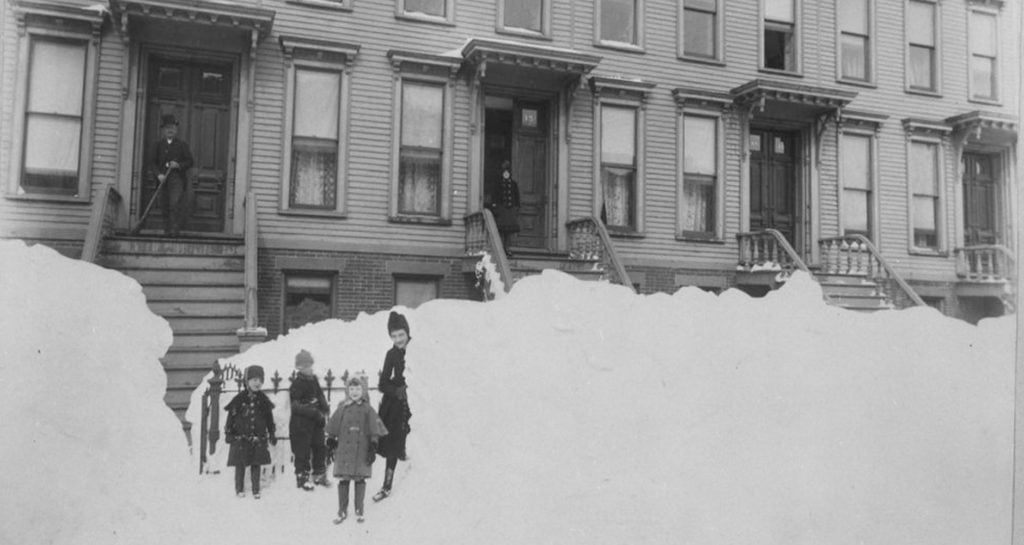
On January 12, 1888, an unexpected blizzard swept across the prairies and claimed 235 lives, most of them children. The so-called “Schoolhouse Blizzard,” also known as “The Children’s Blizzard,” blew down from Canada and into areas that are now South Dakota, North Dakota, Nebraska, Minnesota, Montana, Wyoming, and Idaho. Temperatures dropped from above freezing in many areas to well below zero in a matter of a few hours. At the same time, more than six inches of powdery snow, accompanied by severe winds, blew in, creating whiteout conditions through much of the region. Read more about this storm here.
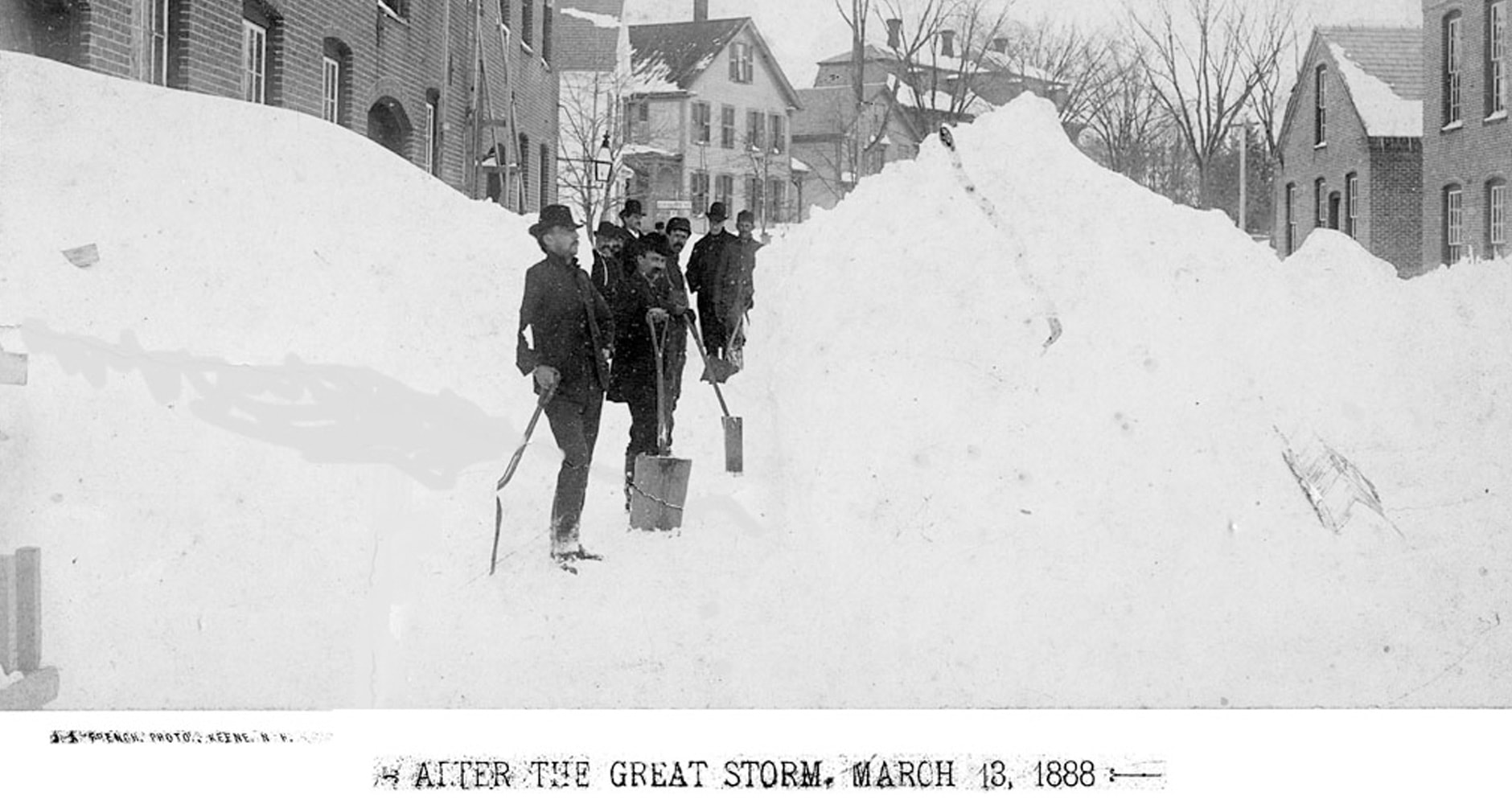
1888 March Blizzard of ’88
The “Blizzard of ’88” produced temperatures plummeting well below zero degrees Fahrenheit, ravaging gusts of wind, and deep snowdrifts that stranded several cities, leaving them without transportation or communication. New York City suffered the most damage, particularly to its harbor areas.
1914 – March 1 Heavy Wet Snow / High Winds
“The worst since ’88” crippled New York and New Jersey. Asbury Park, NJ, received 24 inches of snow. New York’s barometer dipped to a record 28.38 inches. Downed wires and poles disrupted communications and power in New Jersey.
1940 – November 11 Armistice Day Storm
Over the Upper Midwest and the Great Lakes. Blizzard conditions in Manitoba, Minnesota, Wisconsin, and western Ontario. 49 dead in Minnesota alone. Gales on Lake Michigan caused wrecks and the loss of 59 sailors. 17 inches of snow fell in Iowa. Barometer at 28.66 inches in Duluth, MN.
1941 – March 15th – Severest Blizzard of Modern Era
Struck on a Saturday night. 39 lives lost in North Dakota. 32 died in Minnesota. Also buffeted parts of Saskatchewan and Manitoba. 85 mph winds at Grand Forks, ND. 75 mph winds at Duluth, MN. In Minnesota, 27 inches fell at Collegeville, and the Twin Cities recorded 16 inches of snowfall.
1960 – December 12th – Pre-Winter Blizzard in Northeast
20.4 inches of snow fell in Newark, NJ. 17 inches fell in New York City. 13 inches in Boston, MA. Nantucket, MA, had 15.7 inches with winds averaging 36 to 51 mph.
1961 – January 19-20th – The Kennedy Inaugural Snowstorm
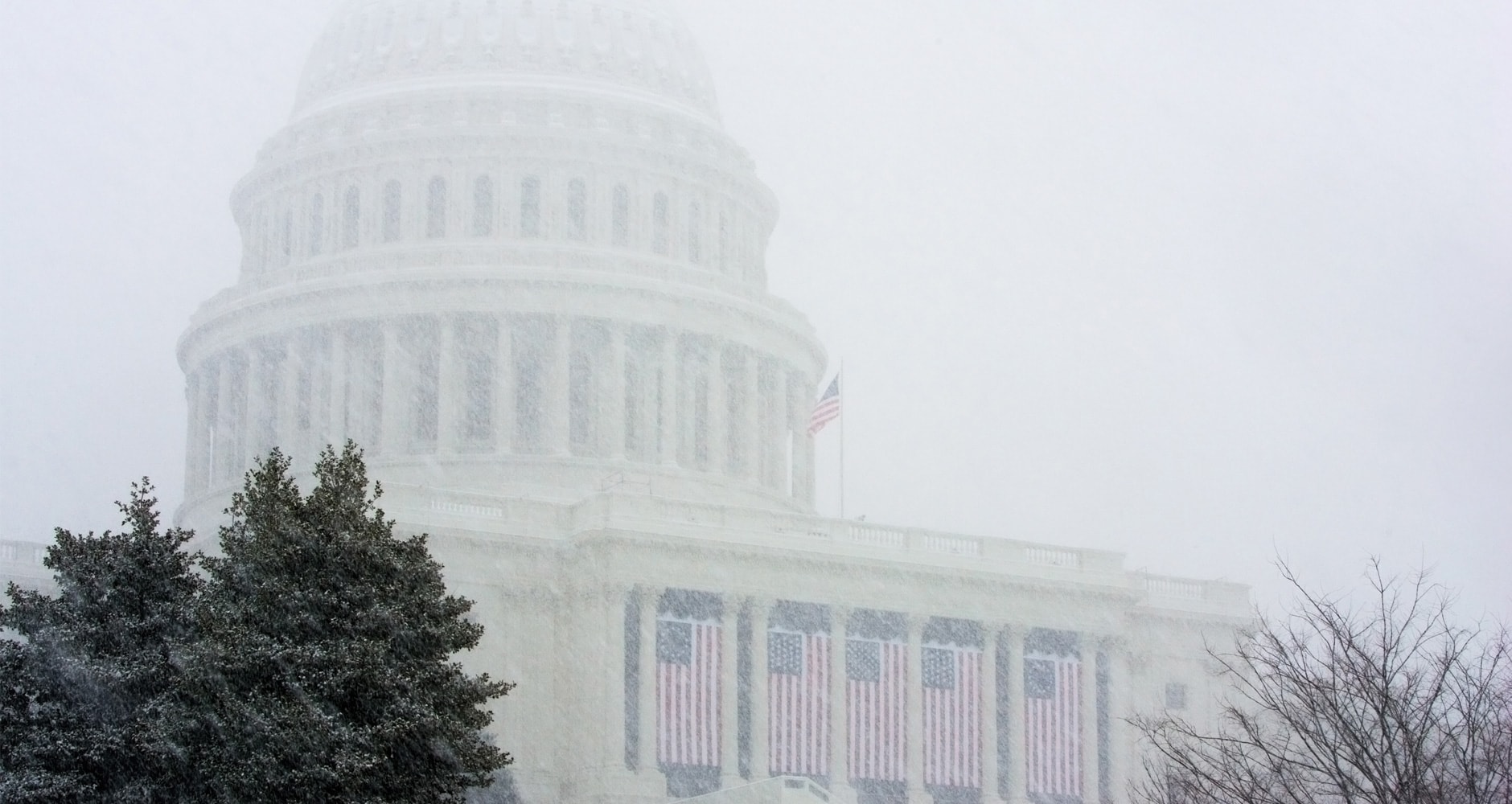
Occurred on the eve of John F. Kennedy’s Presidential inauguration in Washington, DC. It was the second of three huge storms to hit the Northeast during the winter of 1960-61. Washington and Baltimore saw 8 inches of snow. New York City 10 inches. 25 inches in Connecticut and New Hampshire. And 24 inches in Massachusetts.
1961 – February 3-4 – Third Big Snow of the Winter of ’60-’61
Produced near-record snow cover in the major metropolitan areas since snow fell on unmelted accumulations from the previous storms. Also produced paralyzing gale-to-hurricane-force winds along coastal areas. Washington, DC, and Baltimore, MD, saw 8 to 11 inches. New York City, NY, received 19 to 24 inches. Boston, MA, got 14.4 inches. Highest amount fell at Cortland, NY, with 40 inches.
1976 – February 2nd – The Groundhog Day Storm
A storm system rapidly intensified off the Delmarva Coast (Delaware, Maryland, Virginia) and raced northeastward, briefly bringing blizzard conditions and, in just a few hours, a 20- to 40-degree drop in temperature to the Northeast. With it came wind gusts of 100 mph in Nova Scotia, and the barometric pressure fell to 28.30 inches, much lower than many summertime hurricanes.
1977 – January 30th – The Buffalo (NY) Blizzard
Worst blizzard on record to hit the east side of Lakes Erie and Ontario. Wind gusts to 69 mph. Zero-visibility whiteouts. Wind chill factor of -50 degrees Fahrenheit.
1978 – February 6-7th – Blizzard of ’78
Hurricane-force winds and record-breaking snowfall made this storm one of the more intense ones to occur this century across parts of the Northeast. A small area with 50 or more inches of snowfall was reported in northern Rhode Island. Washington, DC, received 2.2 inches. Baltimore, MD, 9.1 inches. Philadelphia, PA, 14.1 inches. New York City, NY, 17.7 inches. Boston, MA, received 27.1 inches and was completely shut down for a week.
1979 – February 19th – The Presidents’ Day Storm
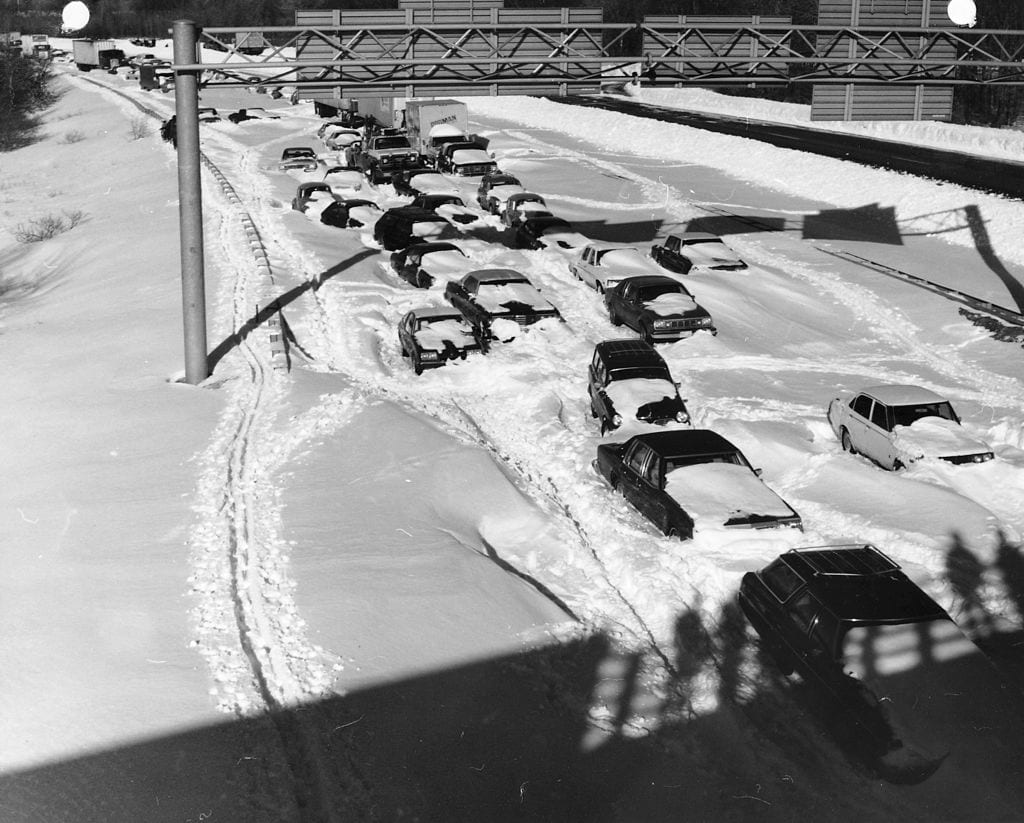
Chiefly affected the Middle Atlantic States, with record snowfall in many areas. Washington, DC, 18.7 inches in 18.5 hours at the airport with a total depth of 23 inches. The Baltimore, MD, airport had 20 inches.
1993 – March 13-14 – The Blizzard of ’93
Described by the National Weather Service as “one of the worst storms of the century.” The onslaught left 13 inches of snow in Birmingham, AL, and 36 inches in Syracuse, NY. Dozens of tornadoes were reported in the South. More than 200 lives lost.
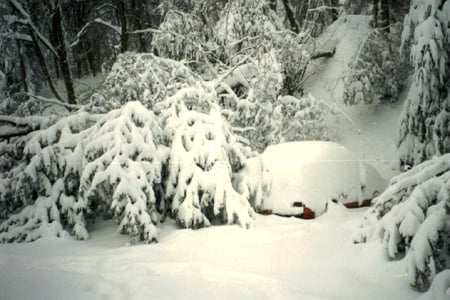
1996 January 7-8 – The Blizzard of ’96
An immense blizzard paralyzed much of the Mid-Atlantic and Northeast States, with snow accumulations of 1 to 2 feet common in many areas. 100 dead. Major airports in the Northeast Corridor were shut down for at least two days.
2003 – The Blizzard of 2003, also known as the Presidents’ Day Storm of 2003, or Presidents’ Day Storm II
This historical and record-breaking East Coast snowstorm lasted from February 14-19, 2003. It started on the East Coast of the United States and spread into Canada. All cities from Washington, DC, to Boston were covered in 15 to 30 inches of snow, and those cities were brought to a standstill due to problems caused by temperatures and the snow. In Baltimore and Boston, this was the biggest snowstorm on record, with 28.2 inches and 27.5 inches of snow respectively.
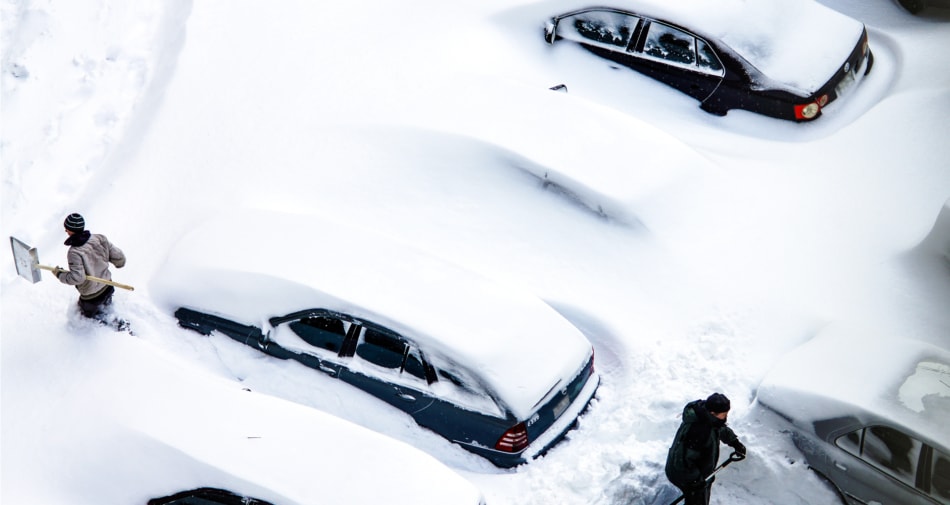
2006 – February 11th – Blizzard of 2006
A nor’easter that began on the evening of February 11, 2006. This storm dumped heavy snow across the Northeast United States from Virginia to Maine through the early evening of February 12 and ended in Atlantic Canada on February 13. Major northeast cities from Baltimore to Boston received at least a foot of snow, with an all-time record amount of 26.9 inches in New York City, the most since at least 1869, the start of record keeping.
Quick Comparison Table
| Year | Storm | Peak snowfall | Deaths |
|---|---|---|---|
| 1888 | Schoolhouse Blizzard (Plains) | 6+ inches in whiteout | 235 |
| 1888 | March Blizzard of ’88 (Northeast) | 50+ inches | 400+ |
| 1914 | March 1 (NJ + NY) | 24 inches Asbury Park | Not recorded |
| 1940 | Armistice Day (Upper Midwest) | 17 inches Iowa | 49 + 59 sailors |
| 1941 | Severest Modern (ND/MN) | 27 inches Collegeville | 71+ |
| 1960 | Pre-Winter (NE) | 20.4 inches Newark | Not recorded |
| 1961 | Kennedy Inaugural | 25 inches CT/NH | Not recorded |
| 1961 | Third Big Snow (’60-’61) | 40 inches Cortland | Not recorded |
| 1976 | Groundhog Day Storm | Not recorded | Not recorded |
| 1977 | Buffalo Blizzard | Whiteouts, -50F wind chill | Not recorded |
| 1978 | Blizzard of ’78 | 50+ inches RI; 27.1 in Boston | ~100 |
| 1979 | Presidents’ Day Storm | 23 inches DC | Not recorded |
| 1993 | Blizzard of ’93 | 36 inches Syracuse | 200+ |
| 1996 | Blizzard of ’96 | 1-2 feet across NE | 100 |
| 2003 | Presidents’ Day II | 28.2 inches Baltimore | Not recorded |
| 2006 | Blizzard of 2006 | 26.9 inches NYC | Not recorded |
What These Storms Have in Common
- Coastal explosive deepening. Most Northeast blizzards in this list deepened explosively off the Mid-Atlantic coast, the kind of low-pressure plunge that meteorologists now call bombogenesis.
- Cold-air locking. A persistent high to the north blocks warm air, keeps the storm’s precipitation as snow rather than rain.
- Holiday or weekend timing. Christmas, New Year’s, Inauguration Day, Groundhog Day, Presidents’ Day, and Valentine’s Day all show up. The pattern reflects when reporters notice, not when storms actually peak.
- Lake-effect amplification. Buffalo, Syracuse, and Cleveland show up repeatedly, where lake-effect snow piled on top of an already-strong storm.

Frequently Asked Questions
What is the official definition of a blizzard?
The National Weather Service defines a blizzard as a winter storm with sustained winds of at least 35 mph and visibility below a quarter mile due to falling or blowing snow, lasting at least three hours. The longstanding popular definition is sustained winds around 32 mph (51 kph) and visibility below 500 feet.
What was the deadliest blizzard in US history?
The 1888 Schoolhouse Blizzard killed 235 across the Plains. The March 1888 Blizzard killed 400+ along the Atlantic seaboard. Both ranked at the top because of unusually rapid temperature crashes paired with very limited public warning.
Which storm had the most snow at one location?
In this list, the 1978 Blizzard reportedly topped 50 inches in northern Rhode Island. The 1961 February 3-4 storm dumped 40 inches at Cortland, NY. Lake-effect amplification can drive single-location totals well above the storm’s average.
What is a ground blizzard?
A ground blizzard is a winter storm where wind picks up already-fallen snow without any new precipitation. Visibility can drop to whiteout, even though no snow is falling from the sky. Ground blizzards are common across the Plains and the Canadian Prairies.
Why is the 1993 storm called the Storm of the Century?
The 1993 Blizzard ran from Cuba to Canada, dropped 13 inches of snow on Birmingham, Alabama, spawned dozens of tornadoes, and killed more than 200 people across the eastern United States. The National Weather Service called it “one of the worst storms of the century” at the time.
What was the Blizzard of ’78?
The 1978 Blizzard struck New England on February 6 and 7, dumping 27.1 inches in Boston, more than 50 inches in northern Rhode Island, and shutting Boston down for a full week. Our Blizzard of ’78 retrospective covers the storm in full.
Are blizzards getting worse with climate change?
Heavy snowstorms are becoming somewhat less frequent in some regions, but more intense when they do form, because warmer air holds more moisture. The pattern that built the 1888 and 1978 monsters is still possible. Modern long-range forecasts have made warning lead time much longer than in 1888.
Tell Us
Which historic blizzard do you remember most clearly? Drop a comment with the year, the city, and what you remember about the days before, during, and after the storm.


This article was published by the Staff at FarmersAlmanac.com. Any questions? Contact us at [email protected].
- Farmers' Almanac Staff

- Farmers' Almanac Staff

- Farmers' Almanac Staff

- Farmers' Almanac Staff