

How to Repel Ants Naturally: 21 Chemical-Free Methods
We’ve put together a list of 21 natural solutions to resolve annoying ant invasions without the use of harsh chemicals! Check it out!
Quick Reference
- Fastest indoor knockdown: Wipe trails with equal parts white vinegar and lemon juice to erase the scent path.
- Best long-game outdoor fix: Borax + powdered sugar bait, set out of reach of pets and kids, kills the colony at the source.
- Plant-safe perimeter: Food-grade diatomaceous earth around mounds and entry points, kept off bee-visited blooms.
- Carpenter ant flag: Trim shrubs and branches touching the house. Carpenter ants tunnel into wood and cause structural damage.
- When to call a pro: Repeated indoor swarms after baiting, sawdust trails near framing, or any sign of carpenter ants in walls.
From late spring through fall, ants march through kitchens, climb hummingbird feeder poles, raid pet bowls, and trail along patio edges. Most of them are nuisance species you can repel naturally without spraying pesticide near food, pets, or pollinators. Here are 21 chemical-free methods to repel ants naturally, drawn from kitchen pantries and the garden shed, plus the few situations where you should stop and call a professional.
Identify the Ant Before You Treat It
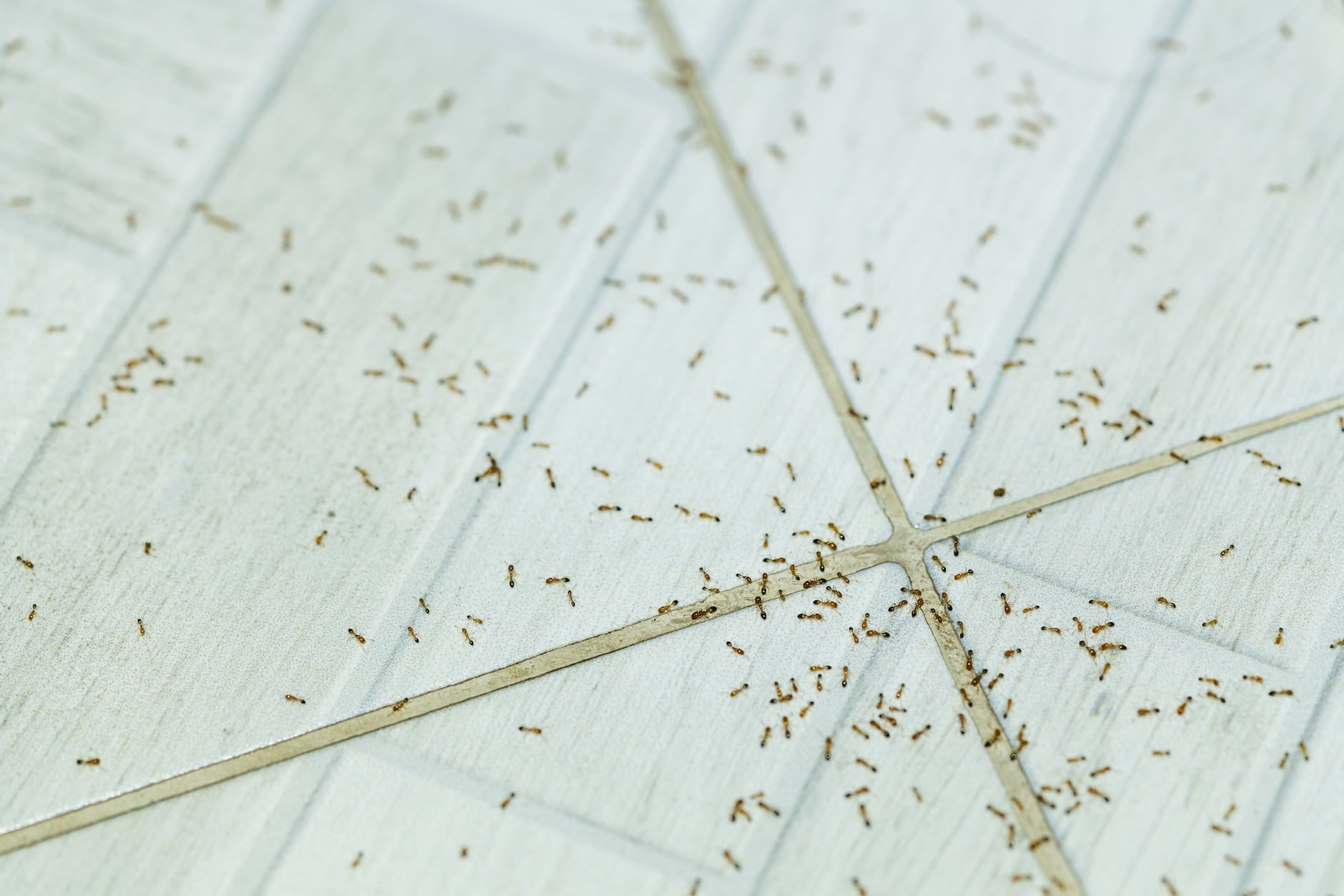
Most household ants in the United States are nuisance foragers: odorous house ants, pavement ants, Argentine ants, or the field ants that build mounds near the lawn. These respond well to natural repellents and baits. Carpenter ants are different. They tunnel into damp wood and can damage the structure of a home over years. If you see large black ants near framing, window sills, or piles of fine sawdust, treat that as a structural concern rather than a kitchen nuisance.
The University of California Statewide Integrated Pest Management Program publishes a free ant identification and management guide that walks through the most common species and matches each to the simplest control. A two-minute identification before you bait saves repeat work later.

21 Natural Ant Deterrents
Each remedy below uses pantry, garden, or hardware-store materials. Indoor methods focus on wiping out the scent trail and the colony. Outdoor methods focus on building a barrier the ants will not cross. Read the full list, then mix two or three that fit your situation.
- Cornmeal Deterrent: To keep ants from crawling up the pole of the hummingbird feeder, sprinkle cornmeal around the base of the pole, post, or tree. Reapply as needed.
- Keep Shrubs In Check: Do not plant trees or shrubs close to the house. Clip any tree branches or bushes that are touching the house to prevent ants from crawling up the trees and into your home. This is a common way that carpenter ants enter. They can cause structural damage to your home, as they make tunnels through the wood.
- Fahrenheit 212: To eradicate an ant colony, carefully pour hot boiling water directly on an ant mound. Hot water is also one of our weed and grass-killing remedies, so avoid pouring it onto the lawn where grass and plants are growing.
- DE to the Rescue: Are ants making a trail across your deck or porch? Use food-grade diatomaceous earth, a fine silica powder that provides a natural abrasive barrier to crawling insects. While the tiny crystals are not harmful to humans (Important: wear a mask when applying, and do not breathe it in, especially if you have asthma or other breathing issues) it kills insects, including ants. Sprinkle the powder directly onto an ant trail. It also works in flower beds: cover any ant mounds with the powder. Stir with a long stick and apply more diatomaceous earth. If the powder does not come in contact with all of the ants in the colony, you may need to apply it more than once. Be careful not to apply diatomaceous earth to flower petals, or anywhere bees may land.
- Baking Soda Remedy: To destroy an ant colony, dust the ant mound with baking soda and then spray with full-strength white vinegar.
- A-Peel-ing Advice: Ants do not like the smell of citrus. Save and dry peels from oranges, lemons, and grapefruit. Grind them and spread near entry points, in flower beds, and in potted plants to deter ants.
- The Mini Moat Trick: To prevent ants from getting in your pet’s food bowl, build a mini moat around it. Select a lid or tray that is larger than the bowl and fill it with water. Place the bowl in the center to form a barrier ants will not swim across. Refill or change water as needed.
- Better Than Hopscotch: Ants will not cross a chalk line. Draw a chalk line in front of exterior doors to prevent ants from coming into the house. You can also draw a chalk line around tables on the porch or patio to keep pesky ants away while dining outdoors. Get the kids involved.
- Save Those Coffee Grounds: To create a barrier that ants will not cross, sprinkle used coffee grounds along the edge of a flower or raised garden bed, at the base of your house, and at entry points.
- Minty Fresh Cure: To repel ants in the kitchen and bathroom, place several drops of peppermint essential oil on cotton balls and place them on countertops, in cabinets and pantry, near the garbage container, and other places that attract ants.
- DIY Ant Spray: Mix 4 oz. water, 2 tablespoons vodka, 15 drops of peppermint essential oil, and 5 drops of cinnamon essential oil in a spray bottle. Shake and spray as needed, indoors or out. Doubles as a room freshener.
- Clean and Repel: To a cup measure, add 2 tablespoons of Dr. Bronner’s Pure Castile Liquid Soap, 15 drops of peppermint essential oil, and 5 drops of fir needle or tea tree essential oil. Stir to combine. Pour the mixture into a bucket containing one gallon of hot water. Stir, and use to mop washable floors.
- Bait Them With Borax: Combine equal parts of powdered Borax laundry booster and powdered sugar. Add several tablespoons onto a jar lid and set out for ants to find. The sugar will attract the ants, they will take the mixture back to their colony and ingest the fatal Borax. Keep out of reach of pets or children. Works against roaches, too.
- Borax-Free Bait: No Borax? No problem. Try mixing equal parts of baking soda and powdered sugar together. Follow the steps above.
- Cinnamon Stick Trick: Place cinnamon sticks near window sills to discourage ants from creeping in. To amp up the fragrance, add a few drops of cinnamon oil to the cinnamon sticks.
- Ants-Be-Gone Spray: Mix equal amounts of white vinegar and lemon juice in a spray bottle, and gently shake. Spray around windows and door frames to stop ants from entering. Spray ants spotted in the home to eradicate them. This gets rid of their scent trail, which other ants follow.
- Ants In Your Plants? To keep ants from making a home in your houseplants or potted plants on the porch, place the containers on a tray filled with water to create a protective barrier. Or, sprinkle cinnamon powder around the plant container.
- Check For Leaks: Inspect your house to make sure it is sealed tightly around plumbing and any openings with weather stripping to prevent ants from entering your home.
- Wood Culprit: Do not stack firewood near the house, or store firewood indoors except when ready to burn. Also, remove rotting trees and limbs from your yard where ants like to build homes.
- Lemon Repels: Spray sinks, counters, and tabletops daily with lemon-scented cleaner to remove food particles, residue, and lingering odors that ants find attractive.
- Tansy To the Rescue: Ants hate tansy. Grow tansy, the pretty yellow flowering herb, outdoors near the entrance of your home, and as a companion plant to keep ants out of your garden. Place dried tansy near window sills to repel ants.
Pick the Right Method for the Situation
Twenty-one options is a lot. Most homes only need three or four, chosen by where the ants are and what is nearby. Use this quick map.
Bait Safety and Pollinator Care
Borax is a naturally occurring mineral, but it is still toxic to pets, livestock, and children if eaten in quantity. The U.S. Environmental Protection Agency’s Citizen’s Guide to Pest Control and Pesticide Safety recommends keeping every bait, including homemade Borax bait, well out of reach of pets and small children, and disposing of the leftover bait the same way you would a commercial product. Treat the homemade version with the same respect you would a store-bought one.
Diatomaceous earth deserves the same caution where pollinators feed. The fine silica that scrapes an ant’s exoskeleton does the same to a bee’s. Apply diatomaceous earth around mounds and trails, never on open blossoms and never on plants the bees are actively visiting. Early morning, before the pollinators are out, is the safer window.
Regional Notes Across the US and Canada
Ant pressure shifts with climate. A trick that wipes out a New England pavement-ant trail in June may not faze a Gulf-coast Argentine ant supercolony in August. The Almanac’s regional cheat sheet:
For mound timing in the garden, the Gardening by the Moon calendar can help you plan companion plantings of tansy and mint on a Best Day for your region.
Folklore and the Science Behind the Remedies
Almanac readers have used most of these tricks for generations. Cinnamon, peppermint, and tansy show up in 19th-century household manuals as ant deterrents. The science has caught up in the past two decades: peppermint and cinnamon oils interfere with the trail pheromones ants use to coordinate, which is why a vinegar or essential-oil wipe down a kitchen counter does more than freshen the air. Penn State Extension’s guide to carpenter ants walks through this in plain English, including why baiting the colony works better than spraying foragers and how to tell a structural problem from a nuisance trail.
Folklore gets the second half right by accident: ants follow scent, so anything that overwhelms or erases the scent trail breaks the line. That covers cinnamon sticks on window sills, lemon-scented cleaner on counters, and chalk on a doorway. The chalk one looks like superstition. The calcium carbonate dust disrupts the trail pheromone the same way the powder does, and the ant turns back. Tradition and science can coexist.
When to Call a Pro
Most ant problems answer to a pantry remedy and a perimeter inspection. Three situations deserve a professional inspection, not another round of homemade bait:
- Carpenter-ant signs: large black ants near framing, fine sawdust along baseboards, or rustling sounds from inside a wall.
- Pharaoh ants in an apartment, hospital, or older multi-unit building. Pharaoh colonies split when disturbed, which makes home remedies worse.
- Fire-ant mounds in the yard if you have small children, pets, or anyone with a sting allergy. Your county extension office can point you to the right control.
Do what is best for your home. The Almanac will give you 21 remedies, a regional map, and the situations they fit. The judgment call on when to escalate stays with you. For lawn-mound timing and other yard work, the Best Days Calendar lines up the chore with the moon phase your grandparents would have used.
Do you have any great ideas to keep ants out? Share them with us and our readers in the comments section, below.


Frequently Asked Questions
What is the most effective way to repel ants naturally indoors?
The fastest knockdown is a 1:1 white vinegar and lemon juice spray wiped along the trail. It erases the scent path the ants use to recruit nestmates. For a longer-term fix, set out a Borax and powdered sugar bait. The foragers carry it back to the colony and the colony dies within days. Keep the bait out of reach of pets and children.
Are these natural ant remedies safe around pets and kids?
Most are. Vinegar, lemon, cinnamon, peppermint cotton balls, cornmeal, and coffee grounds are pantry-grade. Borax bait and diatomaceous earth need more care. Borax is toxic if eaten in quantity, so place bait stations where pets and children cannot reach them. Wear a dust mask when applying diatomaceous earth, especially if you have asthma. Treat homemade controls with the same respect you would a labeled product.
How do I get rid of ants in the garden without hurting pollinators?
Stick to targeted ground treatments and keep them off open blooms. Boiling water poured directly on a mound knocks down the colony in a single pass. Food-grade diatomaceous earth ringed around the mound and along the bed edge works as a barrier, but apply early morning before bees are active and never on flower petals. Tansy and mint grown as companion plants discourage ants from settling in the first place.
Do natural ant repellents work on carpenter ants?
Not reliably. Repellents discourage foragers but do not reach the nest, and carpenter ants nest inside damp wood where bait stations rarely connect. If you see large black ants near framing, fine sawdust along baseboards, or hear faint rustling in walls, treat it as a structural concern and call a professional. Trim shrubs and branches off the house in the meantime, since those are the main highways into the wood.
Why does cinnamon repel ants?
The active oils in cinnamon, especially cinnamaldehyde, interfere with the trail pheromones ants use to navigate. Without a clear chemical path, foragers lose the line back to the nest and turn around. The same mechanism explains peppermint cotton balls, citrus peels, and lemon-scented cleaner. Whatever overwhelms the scent breaks the trail.
How long does it take Borax bait to work on an ant colony?
Foragers usually find the bait within hours and start carrying it back. Visible activity often drops within three to seven days as the colony dies off. If you still see steady traffic after two weeks, you are probably feeding a second colony or the bait location is off the main trail. Move the bait, refresh it, and check for unsealed entry points around plumbing and weather stripping.


Deborah Tukua
Deborah Tukua is a natural living, healthy lifestyle writer and author of 7 non-fiction books, including Pearls of Garden Wisdom: Time-Saving Tips and Techniques from a Country Home, Pearls of Country Wisdom: Hints from a Small Town on Keeping Garden and Home, and Naturally Sweet Blender Treats. Tukua has been a writer for the Farmers' Almanac since 2004.
- Deborah Tukua

- Deborah Tukua
- Deborah Tukua
- Deborah Tukua





Use a shop vacuum and relocate
Once all the ants are gone the queens will come out
I keep an old filter to use for the ants
Also works for wasp nests
Just wait by the entrance and suck them up as they return
DO NOT USE TEA TREE OIL/MELALEUCA OIL IF YOU HAVE CATS!
It is a neuro toxin to them that causes seizures /paralysis and even death.
Thanks for great ways to prevent and deter ant infestations rather than resorting immediately to killing them. The pet food bowls are the biggest attraction so I’m implementing placing them on lids or plates of water. I’ve successfully done the techniques of using lemon or other scented oils, (not cinnamon as it does kill them), to eliminate their trails but you must be diligent when they become active. Avoid killing at all costs as we know anything that kills ants also kills any and all other insects and bugs, including using DE, supposedly organic it does kill all including beneficial insects and our endangered pollinators like the Monarch Butterflies .
That’s what lead me here and to other resources, and when I began using the deterrents. Also note it’s important to prevent and maintain clean kitchens, even making sure sinks and the dishwasher don’t hold food particles. Of course be diligently protecting food containers, trash and recycling. Best to all! Stay well.
I use a face mask with extra water to kill them then ring out the face mask and rinse it ring it out again and wipe the surface no down with it.
The moat of water really works for pet food bowls!
ants are eating my strawberries. what can i use to rid them
Hmm no one answered you so I’m suggesting maybe trying contacting your local state/county home extension offices. Universities that have horticulture and agriculture departments are a great online resource, as well. Best of luck!
I used some old “Terro” outdoor ant traps. After cleaning them out I filled the traps with a mixture of honey and roach powder (I.e., borax) and set them across ant trails. Like the granulated sugar/borax mix the ants carry it back to the nest while also acting as a sort of “La Brea Tar Pits” as well. In no time our ant problem was gone, gone, gone .
All ants want is food, so I made a plastic dish, covered by a wire basket (so no other critters could get into it) and put honey or applesauce in there for them to eat. It keeps ’em out of my house every year.
Excellent idea! It’s like when I discover them indoors in a pet food bowl I follow the same trick as I had read about putting it or just the contents outside on the ground in the nearby garden along the patio. I’m going to try your preventative technique today, thanks.
When using Borax for my ant infestation in my home do I have to mix it with sugar to take back to the queen and the colony? I’d like not to kill the whole ant colony off because I do know that they serve a purpose to this world. I’d just would like them to stay outside of my home and not be trying to bed with me at night or have dinner with the family and I.. Lol
I get it! It just seemed like they are everywhere in our bedrooms, too! Still I have a feeling they will always come back from somewhere so the preventative and deterring techniques endure here. Best of luck!
I am so grateful to have found this! I couldn’t for the lice of me remember the portions of the essential oils. Now I have a few other tricks to try too.