Are Grasshoppers Good or Bad for Your Garden? Pest, Predator Food, and Drought Predictor
Grasshoppers seem like fun, nice bugs, but they aren't so good for your garden. For many cultures, they are a symbol of abundance and courage, but in reality they are generally considered to be pests. Want to learn how to safeguard your garden from them? Read more important info after the jump.
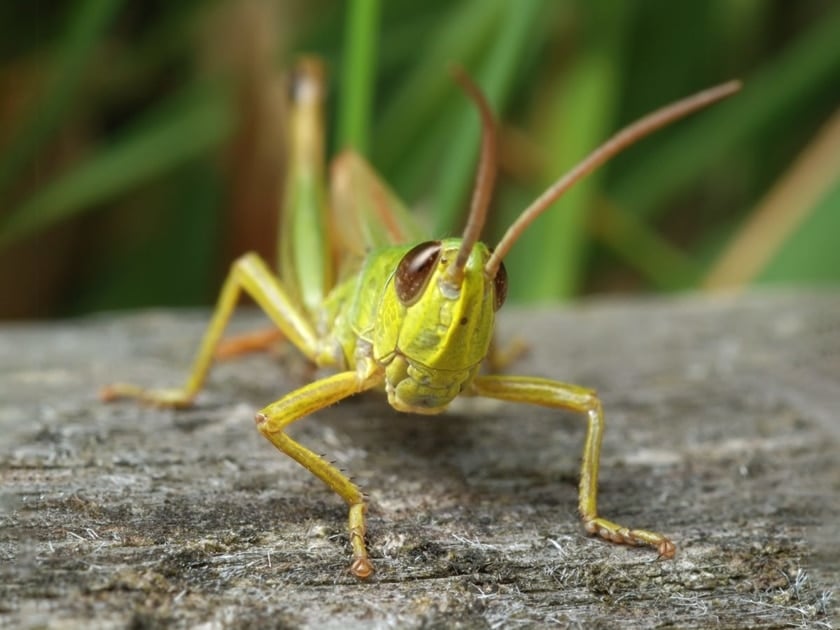
Quick Reference: Grasshoppers
- Mostly bad for the garden. Can defoliate vegetables in a bad year. Especially destructive in hot dry summers.
- But ecologically important. Major food for birds, small mammals, lizards, and predatory insects.
- Natural control: chickens, guinea fowl, ducks. Encouraging insect-eating birds (bluebirds, sparrows) helps.
- Folk weather lore: a heavy grasshopper year is traditionally read as a predictor of drought.
- Tool: the Almanac’s companion planting guide for natural pest control.
On this page
Related Almanac guides
Sources cited in this guide
Grasshoppers are one of the most-asked-about garden insects each summer. They look intimidating and can absolutely defoliate a vegetable bed in a bad year, but they also feed half the bird population in your yard. This guide is the honest answer to whether they are good or bad, the natural and chemical controls, and the folk weather rule that says a big grasshopper year predicts drought.
What Grasshoppers Actually Eat (and Damage)
Per USDA APHIS grasshopper research and UMN Extension management guidance.
- Diet: grasses, leafy vegetables, brassicas, beans, corn silks, alfalfa. Some species also eat dead insects.
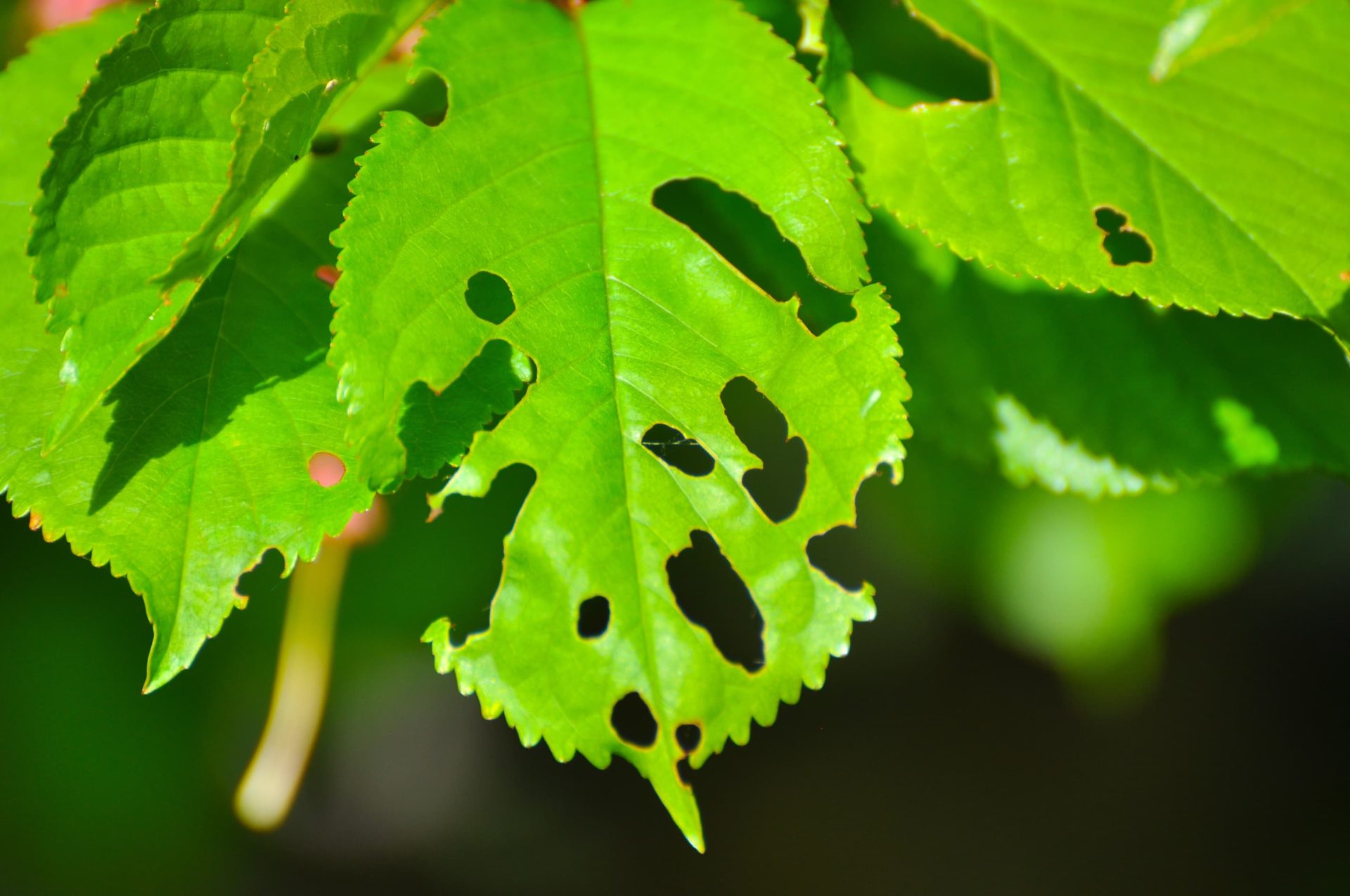
- Damage pattern: chew ragged holes in leaves, often from the edges inward. Heavy infestations can defoliate a plant in days.
- Worst years: hot dry summers favor grasshopper populations. Wet cool summers limit them via fungal disease.
- Worst crops: brassicas (cabbage, broccoli, kale), corn, beans, leafy greens.
- Garden tolerance: small populations (1 to 2 grasshoppers per square yard) cause minimal damage. Above 5 per square yard is when interventions start being worth the effort.
Natural and Chemical Controls
Per UMN Extension and Cornell Cooperative Extension.
- Encourage predators. Bluebird boxes, brush piles for sparrows and wrens, chickens or guinea fowl ranged in the garden. Predation can drop populations 50+ percent.
- Floating row cover. Protects young transplants. Remove for flowering crops needing pollinators.
- Nosema locustae (biological control). A naturally occurring protozoan that infects and kills grasshoppers. Commercial products available; most effective against young nymphs in early summer.
- Pyrethrin and azadirachtin. OMRI-listed organic sprays. Effective on nymphs.
- Trap crops. A strip of alfalfa or sweet clover at the field edge draws grasshoppers away from the main crop.
Grasshoppers: Pest, Control, Drought Lore (Detail)
Below are the original sections on why grasshoppers are pests, how to get rid of them, and the drought prediction folklore.
Unfortunately, Grasshoppers Are Pests
While some insects help to pollinate plant life, grasshoppers mostly just feed on it. The average grasshopper eats 16 times its body weight every day. So, having a few may be harmless, but any more than that could devastate for your garden.
Getting Rid Of Grasshoppers
Grasshoppers are not picky eaters. They munch on almost every stem and leaf, but there are certain flowers that deter them: forsythia, verbena, and lilac. And they tend not to like these vegetables: squash, peas, and tomatoes. So, if you’d like to prevent the hungry hoppers, include those in your garden plans.
Grasshoppers also hate garlic. Its sulfur and allicin compounds interfere with its sensory receptors. (Check out our garlic growing guide.) While you’re waiting for your garlic to sprout up, you can make your own organic pesticide with a couple of cloves from the market: Steep a spoonful of minced garlic and an equal part of dish soap in a teakettle’s worth of boiling water for 15 minutes. Then put a cup of the brew in a spray bottle, fill the rest with fresh water, and spray it on affected areas.
Additionally, mow grass and weed regularly to discourage grasshoppers from sticking around. Open areas make it easier for birds (especially great crested flycatchers and wild turkeys) to find and eat grasshoppers.
If your grasshopper problem is particularly bad, consider raising chickens or ducks on your property. They’re a great source of fresh eggs and they love to go after grasshoppers!
Not ready for chickens and ducks? Place some bird houses on your property to encourage local feathery friends to stop over and hold court.
Can Grasshoppers Predict A Drought?
Some environmental scientists in the early 1900s found that certain outbursts of grasshoppers were followed by summer droughts in the United States, so be on the lookout! Observations like these may be important to bear in mind, as well as the Famers’ Almanac summer forecast, to prepare for any additional watering needs this year.


Grasshoppers FAQ
Are grasshoppers good for the garden?
Mostly bad in heavy populations, but ecologically valuable as predator food. Small numbers (under 5 per square yard) cause minimal damage and support the birds and mammals that eat them. The pest threshold is the question, not whether they exist at all.
What attracts grasshoppers to a garden?
Lush green vegetation, especially brassicas, corn, and beans. Hot dry summers favor grasshopper population explosions. Tall grass and undisturbed weedy edges provide breeding habitat.
What is the best natural way to control grasshoppers?
A combination: row cover on young transplants, chickens or guinea fowl ranged in the garden, Nosema locustae biological control product applied to nymphs in early summer, and bluebird boxes to encourage predator birds. No single method controls a bad outbreak alone.
Do grasshoppers really predict drought?
Folkloric correlation. Heavy grasshopper years do tend to coincide with hot dry summers because dry conditions favor grasshopper population growth. The cause runs in one direction (drought favors grasshoppers, not the other way around) but the folk observation is real.
What is the difference between a grasshopper and a locust?
All locusts are grasshoppers. Locusts are specific species that exhibit swarming behavior under certain conditions (notably the desert locust of Africa and Asia). Most North American grasshoppers are non-swarming species; the historical Rocky Mountain locust that devastated 1870s Plains agriculture went extinct around 1902.


Larry Fleury
Larry Fleury is a writer and outdoor photographer who has a background in atmospheric science, marketing, astrophotography, creative writing, and all things outdoors. His photography has been featured by The Weather Channel, Midwest Living Magazine, and National Geographic Your Shot. Larry lives on the edge of the Ozark Mountain Range in Southeast Kansas, where he spends his free time fishing, camping, hunting, hiking, storm chasing, and playing guitar on the porch.
- Larry Fleury

- Larry Fleury
- Larry Fleury
- Larry Fleury