

What Is Bergamot? The Citrus, the Herb, the Tea, and 5 Uses
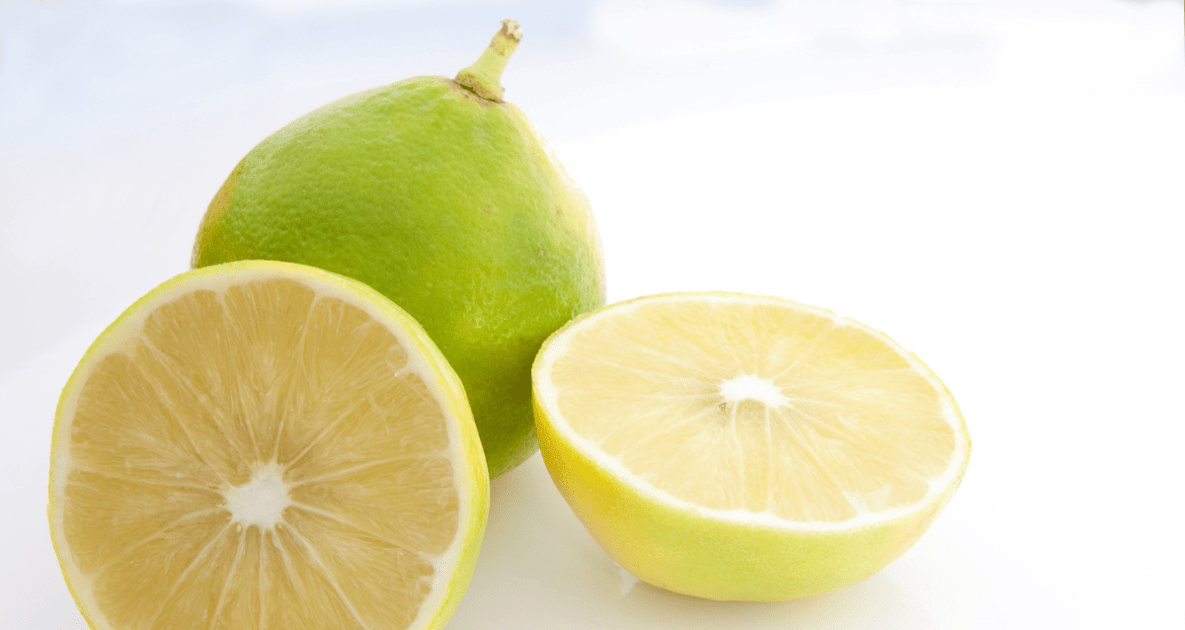
That is one strange looking orange! Or is it a lime? Meet the odd fruit that gives Earl Grey tea its signature flavor and aroma.
Quick Reference: Bergamot
- Two different plants share the name: Italian bergamot citrus (Citrus bergamia), and North American bee balm/wild bergamot (Monarda).
- What goes in Earl Grey tea: oil extracted from the citrus peel, not the herb.
- Where bergamot citrus grows: almost exclusively in Calabria, southern Italy.
- What Monarda is good for: pollinators (bees, hummingbirds), herbal tea, traditional Native American medicine.
- Caution: bergapten in citrus bergamot oil causes photosensitivity. Do not apply to skin before sun exposure.
On this page
Related Almanac guides
Sources cited in this guide
Bergamot is two completely different plants on two different continents with one shared name and one shared aromatic profile. The Italian citrus (Citrus bergamia) is the source of the oil in Earl Grey tea. The North American herb (Monarda) is a tall purple-flowered bee balm that hummingbirds love and that the Oswego nation traditionally used as medicinal tea. This guide is what each plant actually is, how to tell them apart, the 5 most-asked uses, and the (important) photosensitivity caution for the citrus oil.
Citrus Bergamot vs Monarda: How to Tell Them Apart
Per Britannica and the USDA NRCS Plants Database, the two bergamots share only an aromatic compound (linalool-rich profile) and a name. Botanically they are not related.
- Citrus bergamot (Citrus bergamia): small evergreen citrus tree, native to and grown almost exclusively in Calabria, southern Italy. Sour-bitter green-yellow fruit, prized for the essential oil in the peel.
- Wild bergamot / bee balm (Monarda fistulosa, M. didyma): native North American mint-family perennial, 2 to 4 ft tall, fluffy purple or red flowers, blooms June to August.
- Smell test. Both share a sharp citrus-floral aroma. Citrus bergamot is more lemony and bitter; Monarda is more minty and sweet.
- What is in Earl Grey: citrus bergamot peel oil only. Monarda is sometimes called “Oswego tea” or “bergamot tea” but is a different infusion entirely.
Why Earl Grey Tea Uses Bergamot (the Origin Story)
The Earl Grey tea blend is named for Charles Grey, 2nd Earl Grey, British Prime Minister 1830 to 1834. The bergamot connection has at least 3 competing origin stories.
- The diplomatic-gift theory. A Chinese mandarin diplomat allegedly gifted the Earl a citrus-scented tea after his son was saved from drowning.
- The Calabria-Italy theory. Bergamot citrus was already used in 18th century perfumery (Calabria has been the world supplier since the 1700s). Adding it to tea was a natural commercial extension by British tea importers.
- The shipping-accident theory. Bergamot oil leaked into a tea shipment during transport. The British liked the result and standardized the blend.
- The reality: Twinings was the first major commercial Earl Grey blender (mid 19th century). The first documented Earl Grey recipe predates the Earl himself by some years, so the namesake connection was likely a later marketing decision.
Bergamot: Taste, Earl Grey History, 5 Uses, Cautions (Detail)
Below are the original detail sections covering taste, Earl Grey origin, accidental invention, blue-flower teas, 5 uses, and use cautions.
Invented by Accident?
One story suggests it was created by accident when a container of tea and bergamot oranges were shipped together from Chinese diplomats to Earl Grey. The essence of the fruit was said to have been absorbed by the tea during transit. Another account suggests that a Chinese mandarin acquaintance created the tea blend to improve the unpleasant mineral taste of the water at the Grey estate. A London tea house claims to have released the blend at the request of Earl Grey in the 1830s. But the exact story remains a mystery. Regardless, this classic tea blend is a popular favorite and has been for almost two centuries. In fact, when Twining’s changed its Earl Grey formula back in 2011, British citizens revolted. There was even a Facebook page created about the uproar!
Fun Fact: The British use the term “cuppa” for drinking a cup of tea. For example, “let’s go grab a cuppa.”
Tea With Blue Flowers?
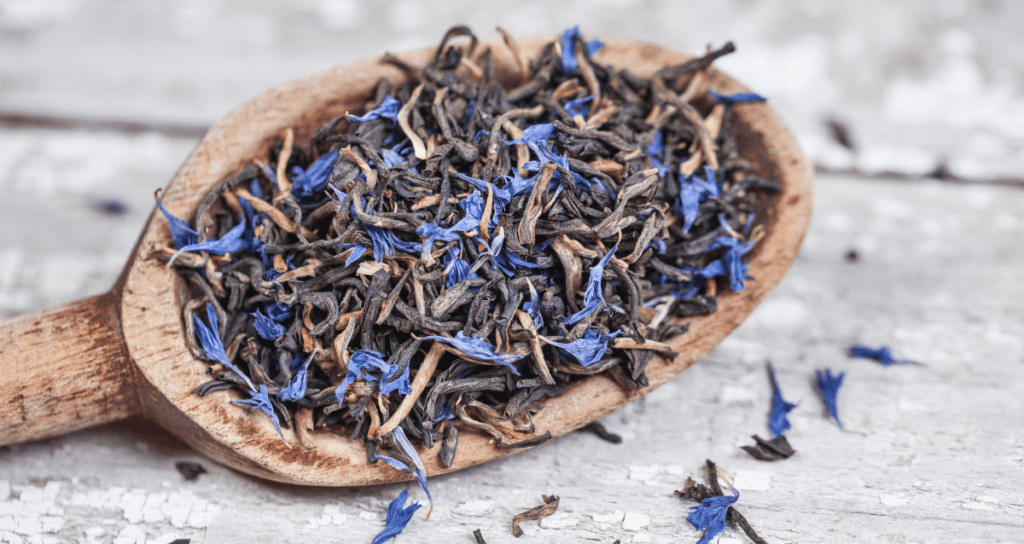
You’ll often see loose leaf Earl Grey tea with tiny blue flowers in it, and often goes by the names “Blue flower Earl Grey Tea” or “blue Earl Grey”, just two of many names for a type of Earl Grey tea that has been blended with dried blue cornflowers flowers. Typically, the flowers are added to give the loose leaf tea some color.
Cautions:
- Essential oils in the citrus family, lemon, orange, lemon verbena, lime, and bergamot, can cause your skin to become sensitive to ultraviolet rays of direct sunlight, sunlamps, and tanning beds. Never apply bergamot or the other noted oils to the skin prior to exposure to the sun or these light sources. And keep away from children.
- Also, check with your doctor about the use of bergamot if you are taking statins.


Bergamot FAQ
Is bergamot a citrus or an herb?
Both names are in active use for different plants. Citrus bergamot (Citrus bergamia) is a Calabrian citrus used for the essential oil in Earl Grey tea. Wild bergamot or bee balm (Monarda) is a North American mint-family perennial used as Oswego herbal tea. Botanically they are unrelated despite the shared aroma.
What does bergamot taste like?
Citrus bergamot tastes intensely sour, bitter, and floral; the peel oil is the part used in tea and perfumery, the juice is rarely eaten. Wild bergamot (Monarda) tastes minty and sweet with a citrus undertone, drunk as herbal tea with no added sugar.
Is bergamot safe to use on skin?
Citrus bergamot essential oil contains bergapten, a phototoxic compound. Applied to skin before sun exposure, it can cause severe burns and lasting pigmentation. Use bergapten-free oil if applying topically, or only after sundown. Wild bergamot (Monarda) is not phototoxic.
Can you grow bergamot at home?
Yes for wild bergamot (Monarda). It is hardy in USDA zones 3 to 9, prefers full sun, and is a top hummingbird and bee plant. Citrus bergamot is much harder. It requires a Mediterranean climate (USDA 9 to 11) and rarely fruits outside Calabria, although a few California growers produce small quantities.
What is the difference between bergamot and bee balm?
They are the same plant in everyday English (wild bergamot = bee balm = Monarda). The name varies regionally: bee balm in the eastern US, wild bergamot in the Midwest, Oswego tea in the historic Northeast.
How do you make Monarda tea?
Steep 1 to 2 tablespoons fresh Monarda leaves and flowers (or 1 teaspoon dried) in 1 cup boiling water for 5 to 8 minutes. The Oswego nation traditionally used this as a fever and digestive aid. The flavor is minty-sweet and mildly citrus.


Deborah Tukua
Deborah Tukua is a natural living, healthy lifestyle writer and author of 7 non-fiction books, including Pearls of Garden Wisdom: Time-Saving Tips and Techniques from a Country Home, Pearls of Country Wisdom: Hints from a Small Town on Keeping Garden and Home, and Naturally Sweet Blender Treats. Tukua has been a writer for the Farmers' Almanac since 2004.
- Deborah Tukua

- Deborah Tukua
- Deborah Tukua
- Deborah Tukua




I love Earl Grey tea. I am going to have a cuppa now. Pepperidge Farm is making a London Fog cookie .It will have the flavor of bergamot. You can order off of Amazon. Enjoy
Sounds delicious, Susan! Thanks for the tip 🙂
While I like a large variety of teas- Earl Gray is by far my favorite!
It’s a great one. We agree! Happy sipping Rosalee 🙂
I bought the Earl Grey pods,thinking i,m goin
g to have a lovely cup of tea,Wrong will not buy again,!
Never noticed in tiny print,flavored with Bergamont flavouring,blah
In Greece they make what is called a spoon sweet with the peel of Bergamot. It is essentially candied peel served in its syrup. Delicious! And also I love Earl Grey, especially as a London Fog.
ever since i found out earl grey’s star ingredient comes from italy, i’ve been pronouncing bergamot as behrr-ga-mo (rolling R) ?
Yes, it has a definite favor and aroma, love the taste and hope it lives up to the benefits stated. I have been a coffee drinker and this is not my first cup of tea, but it is the first cup of bergamot tea.
I absolutely LOVE Earl Grey tea in all of its many forms (regular, with lavender, etc.) I’m a big fan of bergamot, too-love its clean smell.
Is there an Earl Gray tea that has Lavender instead of bergamot?
Earl Grey tea is known for being flavored with bergamot for its distinct taste. Lavender is a frequent partner in an Earl Grey blend because they taste wonderful together!
I am
Not a fan of Earl Gray tea! It tastes like dirt! And has a lasting after taste. I love orange peko tea and other spice teas but not Earl Gray
Orange Pekoe tea is not orange flavored. Perhaps you are thinking of a product like “Constant Comment” or other.
Orange Pekoe is the lowest grade of Indian loose leaf black tea. It has no flavor added to it. It is called Orange because it was marketed in Europe by the Dutch East India company under the purview of the royal family – the House of Orange-Nassau.
i like it