

Plant A Fall Garden: What To Sow, When, And Where
Here's a list of veggies to start now for an abundant fall harvest!
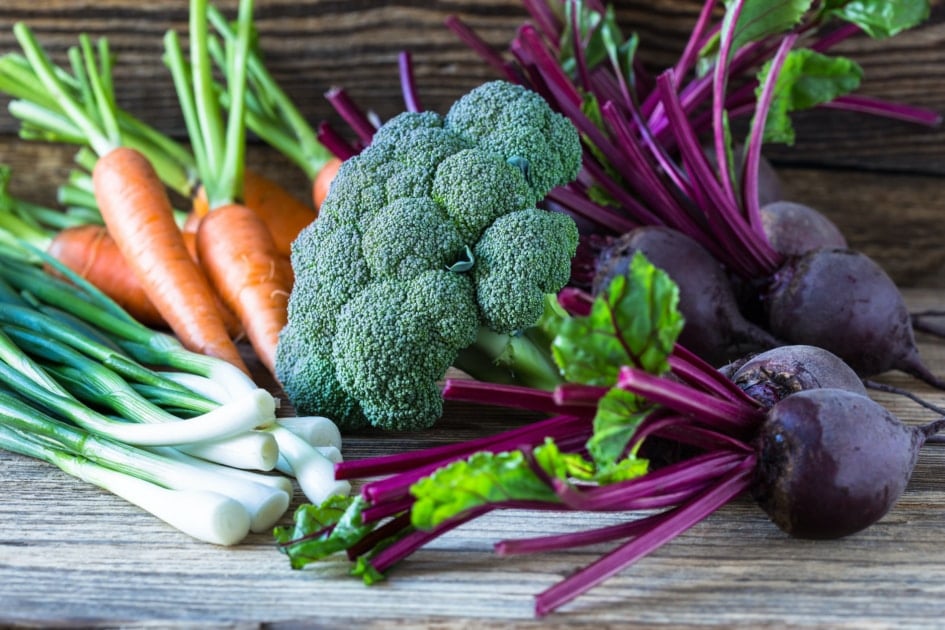
Quick Reference
- Best window to start a fall vegetable garden: August through mid-September for most of North America, working back from your first-frost date.
- Frost-tolerant crops that taste better after a freeze: beets, carrots, kale, leeks, parsnips.
- Fastest to harvest (under 30 days): radishes and looseleaf lettuces.
- Overwinter-in-place: parsnips, leeks, garlic (planted October).
- Spring bulbs to plant now: daffodils, tulips, hyacinths, lilies, in late September to October when soil cools to the 40s and 50s at night.
- Fall bloomers to sow now: chrysanthemums, pansies, asters, goldenrod.
- Frost dates (source): use the Farmers’ Almanac average first frost dates by state. Sow early-maturing varieties to establish plants before frost.
As the summer produce withers on the vine, it is time to sow seeds for a fall and early-winter harvest. If you did not get a spring vegetable bed in, that is fine. Many crops actually prefer the cool, and unlike spring or early summer, fall gardens run with fewer diseases and fewer insect pressures. According to University of Minnesota Extension, the calendar-back method (count days to maturity backwards from your first-frost date, then add 14 days of shorter fall daylight) is the standard rule. This guide keeps that rule and walks you through every crop the Almanac’s editors have grown out on our own test plots, plus the flowers that carry the garden into November.
Fall Gardening Tips
- Late summer, August and September, is the best time to start a fall vegetable garden in most regions.
- Once your summer vegetables have been harvested, pull up the plants and compost.
- Check the Farmers’ Almanac’s average first frost dates for your state.
- Sow early-maturing varieties when possible, so plants become well established before a frost is likely to occur.
- If time is tight, plant transplants (young seedlings) available at most garden centers.
- Track daylight, not just temperature. Fall garden days lose about 3 minutes each afternoon, so figure two extra weeks on the seed packet’s days-to-maturity number.
Not enough time before first frost to plant seeds in your area? Plant transplants (young seedlings) instead, available at most garden centers.
What to Plant in August and September
August and September do different jobs. August is still a sowing month across most of the country, warm enough to germinate seed and with just enough season left to bring a crop in. September is the transplant, garlic and bulb month, plus a last run of fast greens. Here is the split.
What to Plant in August
- Sow direct now: beets, carrots, turnips, radishes, spinach, looseleaf lettuce, bok choy, kale, chard, bush beans in the warmer zones.
- Set out transplants: broccoli, cabbage, cauliflower and Brussels sprouts, which want a head start rather than direct seed this late.
- Last call: in zones 3 to 5, early August is the final honest window for anything needing more than 50 days. After that, stick to radishes and looseleaf greens.
- Water harder than feels right. August seed goes into hot, dry soil. Germination, not frost, is what kills most fall sowings.
What to Plant in September
- Fast greens: spinach, arugula, mustard, radish and lettuce still have time nearly everywhere, and they taste better as the nights cool.
- Garlic and shallots: plant from late September through October for a harvest the following July. Cold weeks in the ground are what build the bulb.
- Spring bulbs: daffodils, tulips, hyacinths and lilies once night soil temperatures settle into the 40s and 50s.
- Cover crops: winter rye or crimson clover on any bed you are done with. Cheaper than fertiliser and it holds the soil over winter.
- South and Gulf Coast: September is your main sowing month, not your last one. Start the full brassica and root list now.
For exact sowing dates in your area rather than a rule of thumb, the Farmers’ Almanac Planting Calendar gives moon-based Best Days by crop, and the average first frost chart gives you the date to count back from. If you like to time work by the moon, September’s Harvest Moon and August’s Sturgeon Moon are the two markers most gardeners plan the changeover around.
Beets
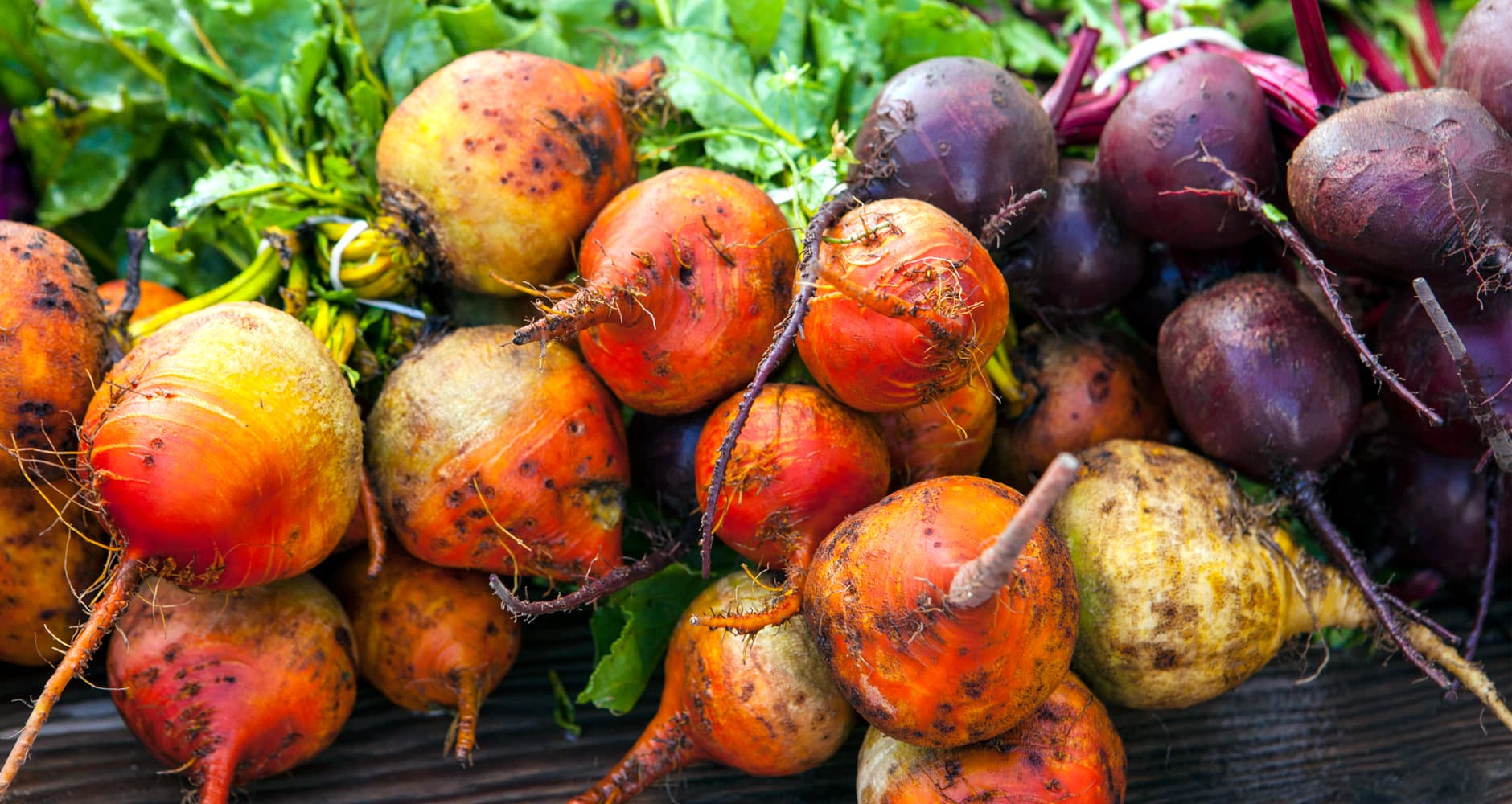
Plant beet seeds about 8 to 12 weeks before the average first fall frost date for your area. Beets thrive in soil with a pH 7.0 to 7.5. They prefer sun but tolerate some shade. Sow seeds half an inch deep, about 2 inches apart. Keep the soil moist. Mulch and water as needed. Mulch keeps the soil cool, which yields sweeter roots. Beets do best in cool weather, and not only can they tolerate a frost, a frost actually improves flavor. Almanac tip: leave the greens on for a full month before harvesting the root, then eat both. The tops are one of the highest-magnesium leafy greens in the fall bed.
Bok Choy (Chinese Cabbage)
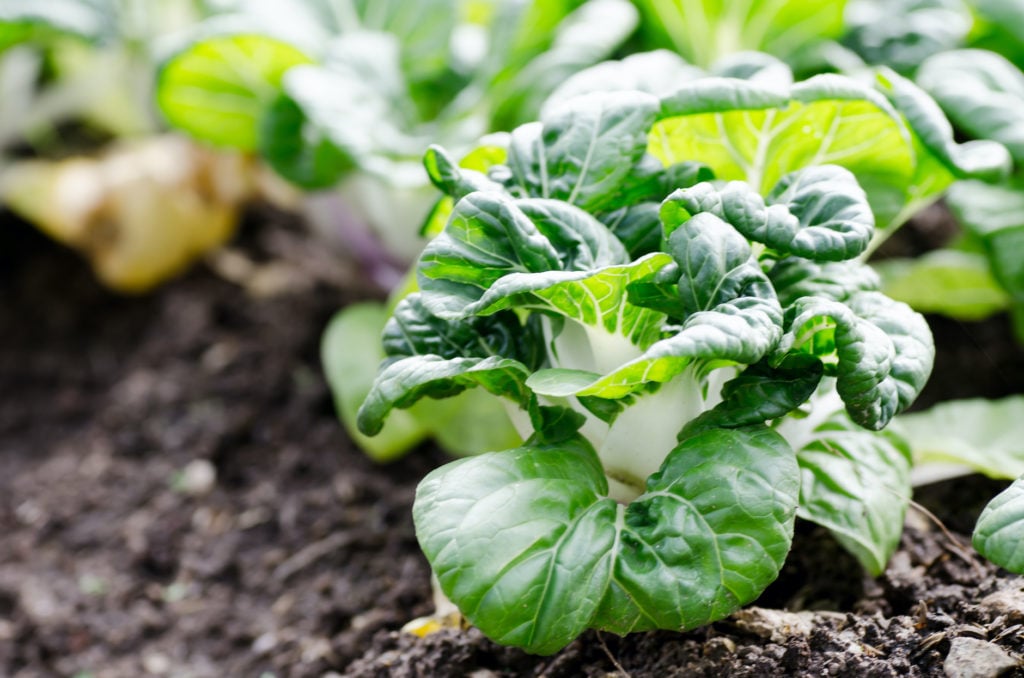
Bok choy, sometimes seen as “siu bak choy,” translates from Chinese to “small white vegetable” (not to be confused with dai bak choy, or big white vegetable, a.k.a., Napa cabbage). This cruciferous vegetable in the Brassicaceae family is easy to grow and matures quickly in cooler weather, roughly 50 days depending on variety. Sow seeds 8 to 10 weeks before first fall frost is expected. Space about 6 to 7 inches apart in your garden bed. Bok choy produces a head similar to romaine lettuce. It is tender yet crisp and mild in flavor. Harvest leaves as they become ready. Plants should have thick white stalks and dark green leaves along the top edges. Bok choy keeps only about 2 weeks in the refrigerator, but for longer storage, you can prop the heads up in sand in a cool root cellar for up to 2 months.
Broccoli
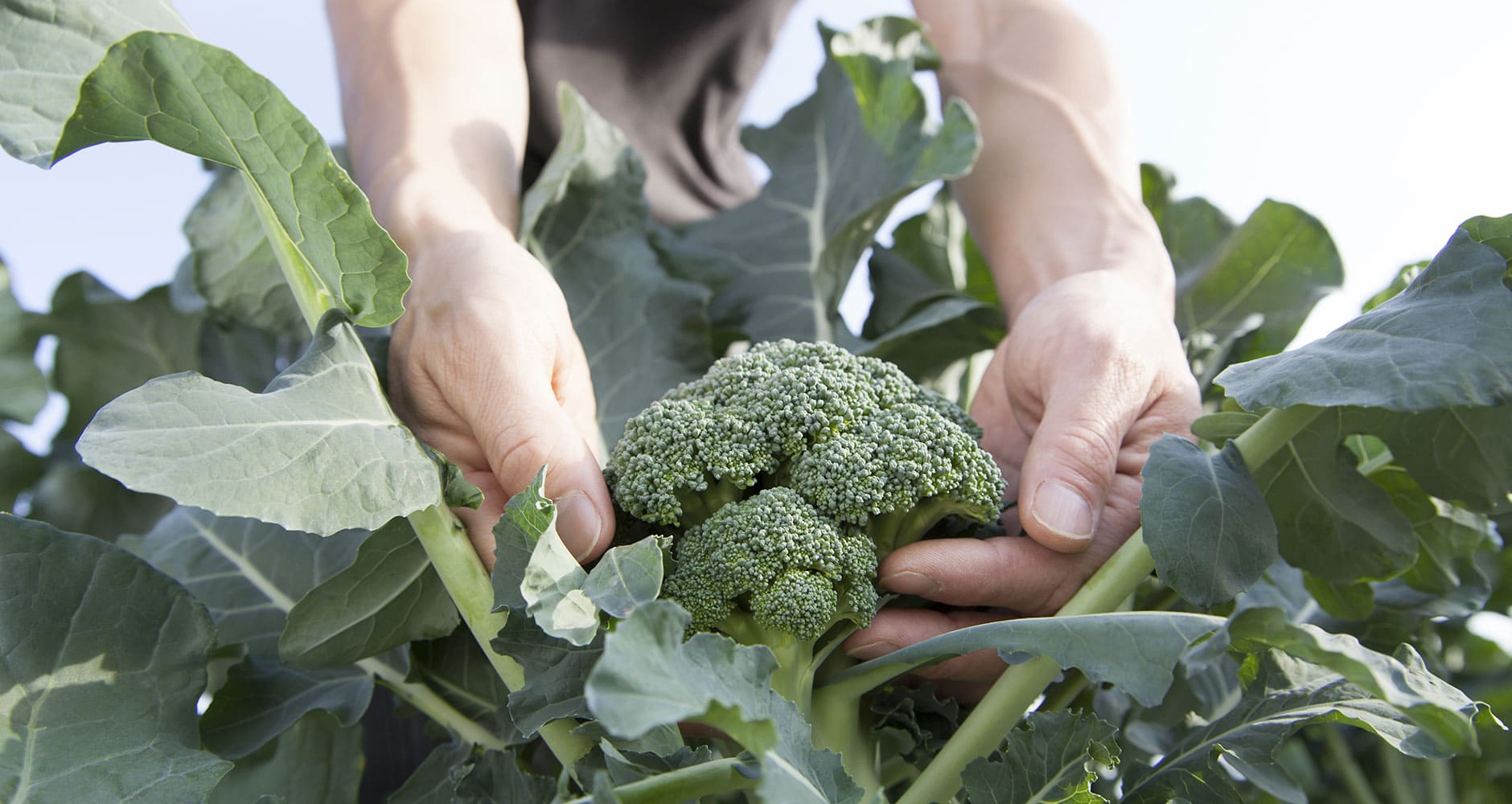
Broccoli seeds should be planted 10 to 12 weeks before the first frost. Seeds take 1 to 2.5 weeks to sprout. Transplants can go in several weeks later than seeds, and should be spaced about 15 inches apart in a fall garden. Mulch around the plants once they have grown a few inches above the soil. The mulch keeps the roots cool. Broccoli matures well in cooler weather and tolerates a mild fall frost. It thrives when daytime temperatures sit around 70 F and nighttime temperatures reach no lower than 60 F. Almanac tip: cut the main crown at a sharp angle so rainwater does not pool inside the stalk. Side shoots keep coming for weeks after the first head is cut.
Cabbage
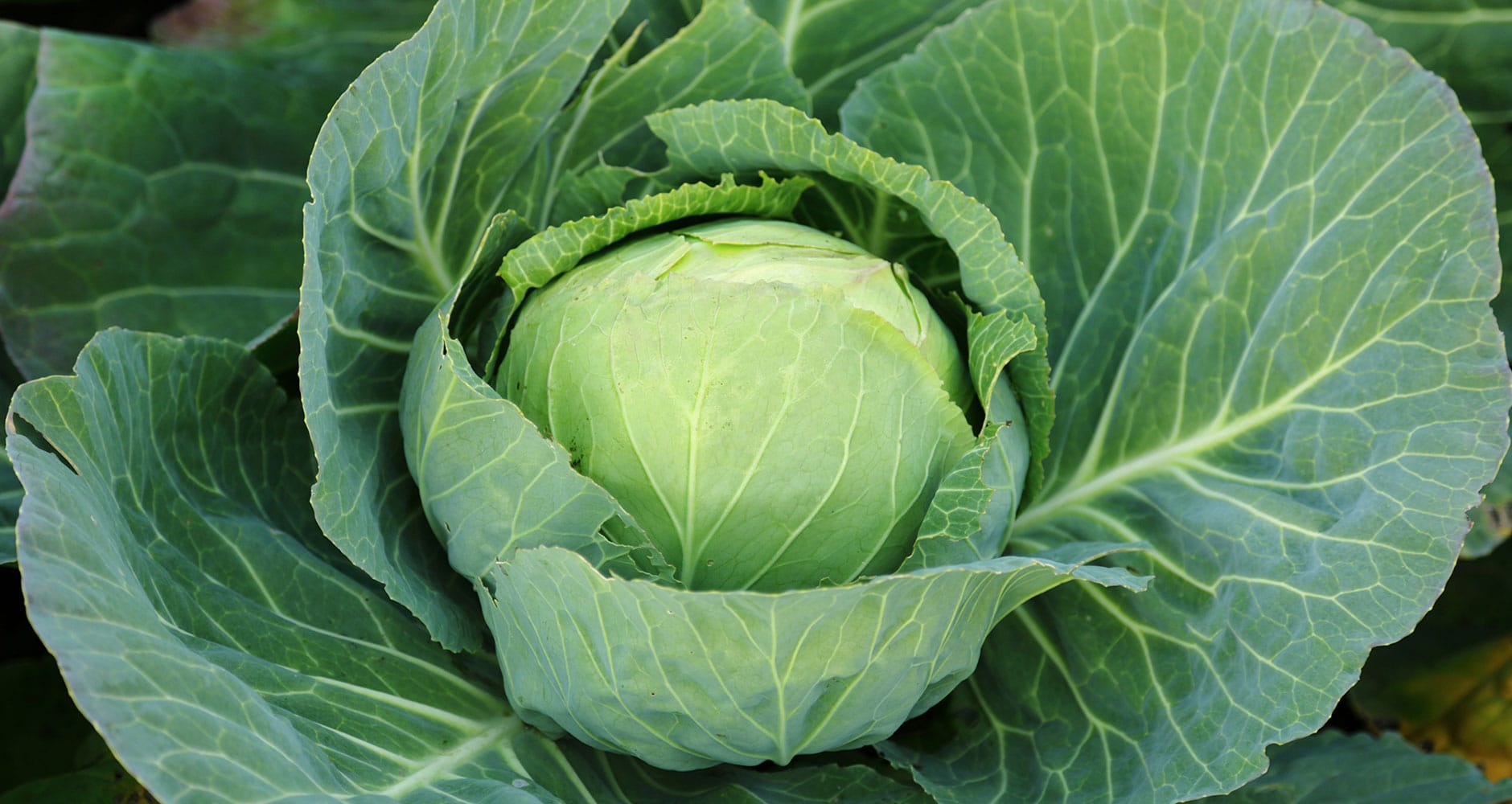
Cabbage is a cool-weather, hardy vegetable, ideal for your fall garden. Seeds can be planted 10 to 12 weeks before the first frost. Sow cabbage seeds in soil with a pH 7.0 to 7.5, in full sun. Plant half an inch deep, spacing 1.5 feet apart, and you will not need to thin later. Mulch plants to keep soil cool. Water plants frequently. Harvest when heads are hard and round, before a hard freeze. Once harvested, cabbage can be stored for 2 to 3 months at 32 to 40 F. Almanac note: fall cabbage is the classic sauerkraut and kimchi crop. Ferment the extra heads into a crock and you have a working root cellar even without a root cellar.
Carrots
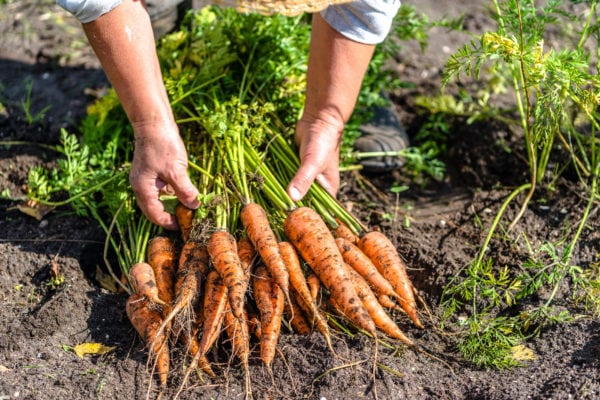
Carrots should be planted in loose, rock-free, well-draining soil with a pH 6 to 7. A raised bed filled with well-worked soil and compost is ideal. Sow seeds about half an inch apart in three-quarter inch deep furrows. Keep soil moist and mist with water until seedlings appear. Moisture keeps the carrots from turning bitter. Once plants reach 2 inches tall, thin out, leaving at least 3 inches between plants. After thinning, mulch around the seedlings to retain moisture in the soil. Harvest as soon as carrots are large enough to eat. When you are ready to harvest, water the ground to soften it and release the carrots easily into your hands. Instead of harvesting all at once, leave some in the garden bed under a thick layer of straw or other mulch. They can stay in the ground until December. Flavor improves with a hard frost. Cover them with hay to keep them warm. See more carrot harvesting tips here.
Leafy Greens
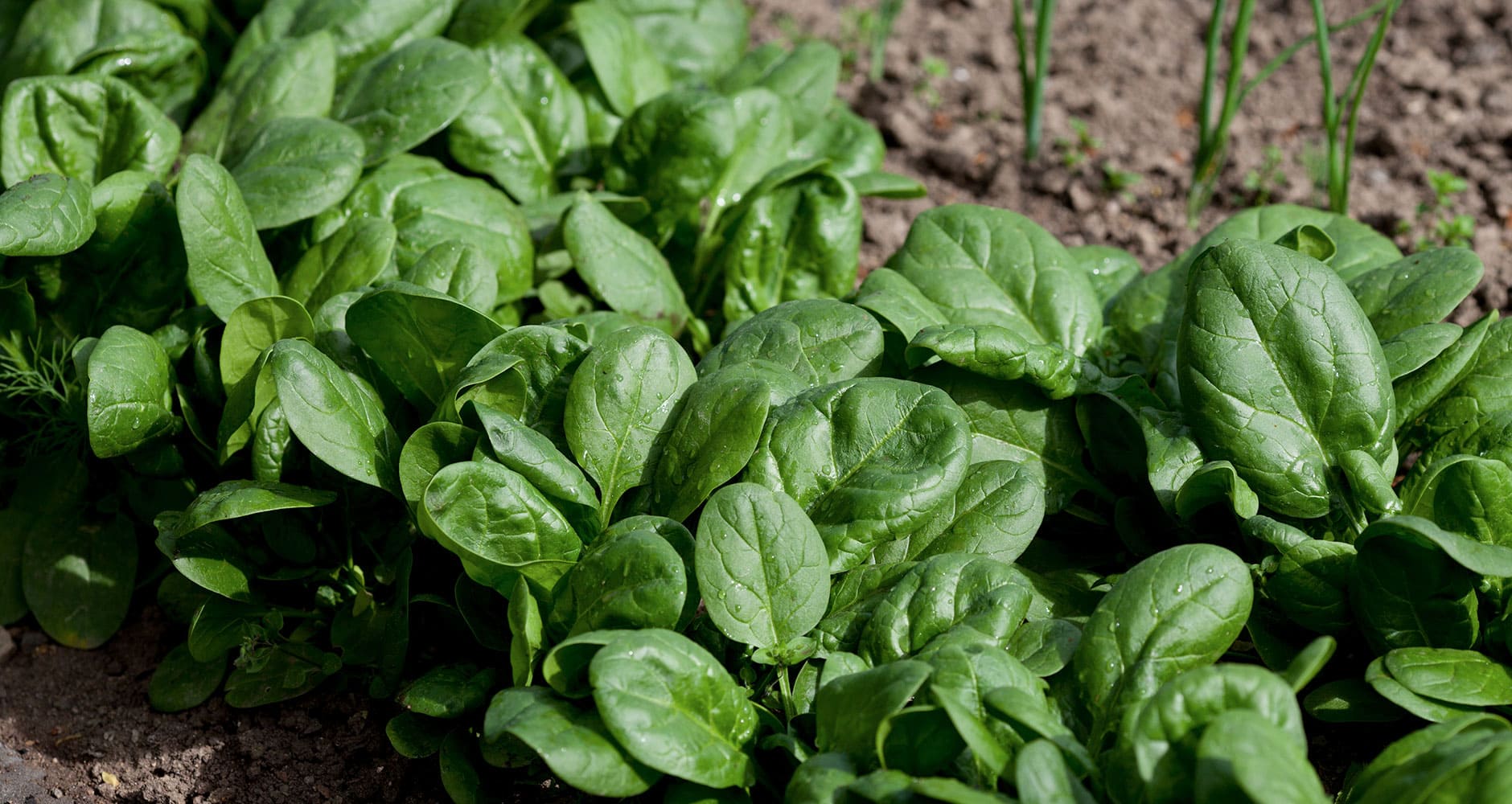
Leafy greens like lettuce, spinach, and kale grow best in the fall and can be planted before mid-September for a fall and winter harvest. Plant 8 weeks before the first frost. Sow seeds 1 inch deep and 3 inches apart. Keep the soil moist. Make sure the temperature is not likely to go above 80 F after you have planted spinach, or it will not germinate, although certain lettuce varieties can handle heat. Kale is sweeter grown in the fall, especially if you leave it in the ground through a light frost. Almanac note: a cold frame or floating row cover doubles the harvest window. Kale planted the last week of August in Zones 5 and 6 will feed the kitchen into January under a light row cover.
Leeks
Leeks are quite hardy and can survive even during a winter freeze. Plant around mid to late August or into September. Hill soil up around the stalks as they grow, so the white portion runs long and tender. In Zones 5 to 8, they can overwinter under a heavy mulch and yield again in early spring before bolting.
Radish
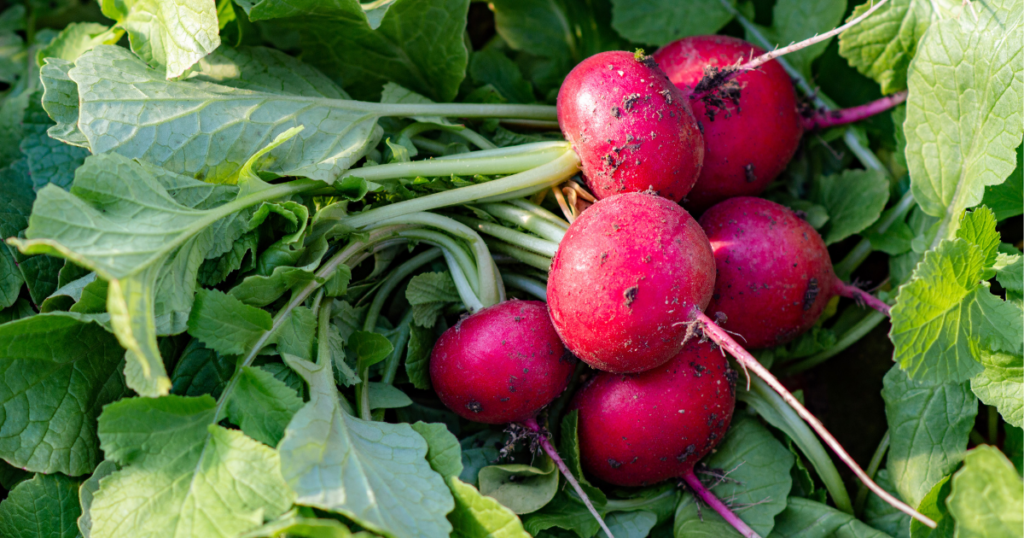
Radishes are the perfect fall crop, as they thrive in cool fall weather. They are easy to grow and ripen quickly. They will grow in most soil types but do best in a loose, sandy loam with a pH 5 to 7. They prefer partial shade. Radishes can typically be planted through September or one month before first frost. Plant radish seeds half an inch deep, spacing seeds about one inch apart. They require moisture to germinate, so continue to water frequently, especially when hot summer weather remains. Radishes stand a light frost. Most radish varieties are ready to harvest in less than a month. Almanac tip: succession-sow radishes every 10 days from mid-August to mid-October. You will have a fresh handful for salads every week clear through Thanksgiving.
Sugar Snap Peas / Snow Peas
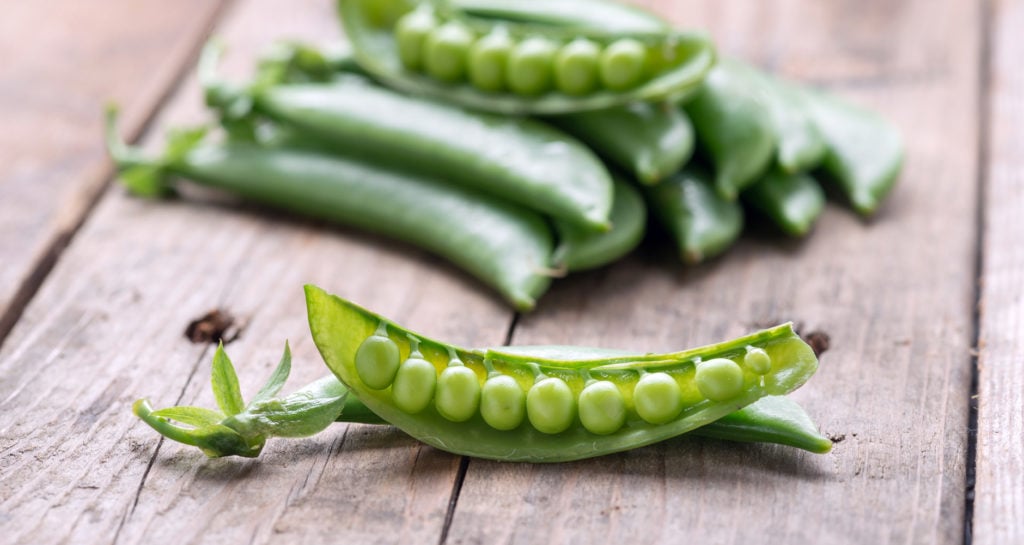
Sugar snap and snow peas also tolerate frost, though you will want to plant them before the soil drops below 45 F. Inoculating pea seed with the correct rhizobial inoculant (widely available from any garden supplier) can boost yields 15 to 30 percent in cool soil.
Parsnips
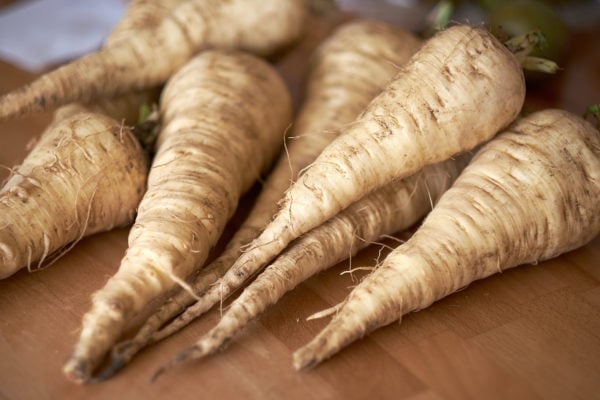
Parsnips can stay in the ground all winter, and they taste better after several frosts. Just cover with hay or mulch before the snow starts. Old-timers in northern New England will not dig a parsnip until after New Year’s Day, when the cold has fully converted the starch to sugar.
Turnip
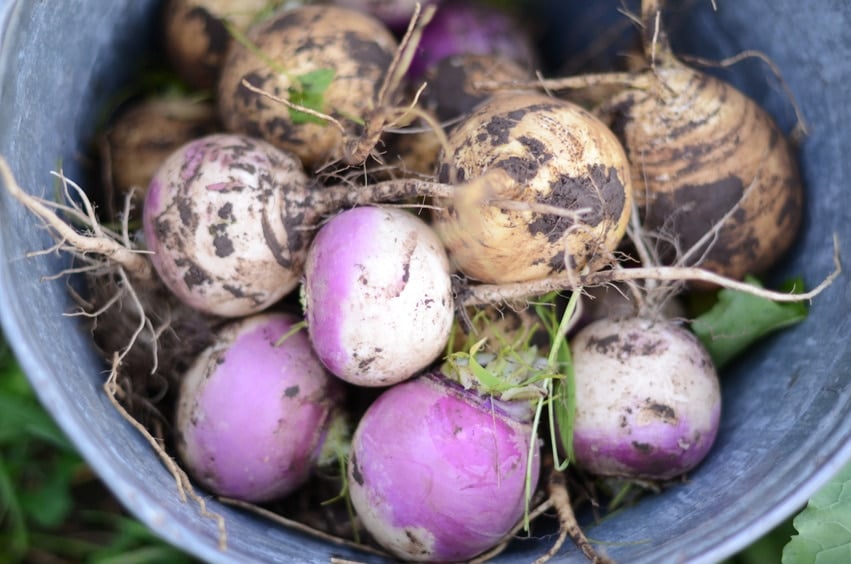
Another great fall root vegetable is the turnip, since it matures quickly (about 2 months) and is hardy enough to survive even in Siberia. The greens are edible and cook up in 5 minutes. Save the largest roots for storage and pickle the smaller ones for the winter table.
Regional Fall Planting Windows
The Almanac’s editors work off USDA plant hardiness zones plus the Almanac frost tables. Rough guidelines to work back from your first-frost date:
| Region (rough USDA zone) | Typical first frost | Sow fall crops by | Best picks |
|---|---|---|---|
| Upper Midwest, northern New England, Mountain West (3 to 4) | Mid to late September | Early July | Radish, spinach, looseleaf lettuce, kale |
| Great Lakes, northern Plains, interior Northeast (5) | Late September to early October | Mid to late July | Beets, carrots, broccoli, kale |
| Ohio Valley, interior Mid-Atlantic, northern Arkansas (6) | Through October | Early August | Most brassicas, root crops, peas |
| Coastal Northeast, Piedmont, southern Arkansas (7) | Early to mid November | Mid to late August | Leeks, cabbage, carrots, chard |
| Deep South, Gulf Coast, northern Florida (8 to 9) | November into December | September | Nearly everything, plus a second round |
| South Florida, coastal and southern California, low desert (10 and up) | Rarely frosts | September to November | Brassicas, greens, peas all winter |
Flowers
Vegetables are not the whole fall garden. A few well-chosen flowers keep colour in the beds through the first frosts, feed the last pollinators of the season, and in the case of spring bulbs, do the quiet work now that pays off in March. Three worth your time this month:
Chrysanthemums
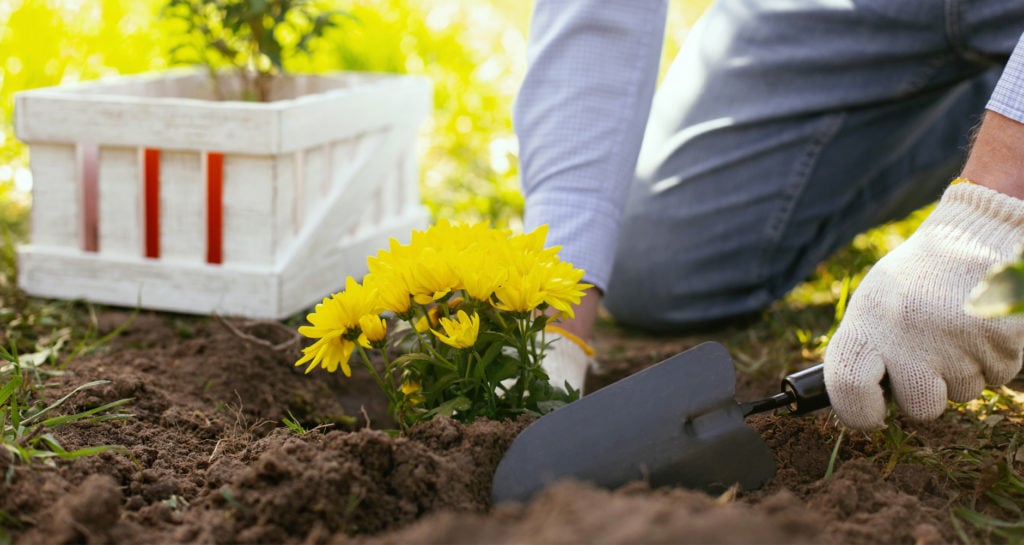
Chrysanthemums are hardy, easy-to-grow perennials. They withstand light frosts and continue blooming with bright, cheery flowers. For optimal growth, plant them where their roots have room to spread out (18 to 30 inches) and where they receive plenty of sunlight. Many mums survive the winter, though it is worth mulching them once the temperature drops.
Pansies
Pansies are annuals that bloom in the fall and even winter in warmer climates, though they will not survive a hard frost. Almanac tip: pinch spent blooms weekly to keep the plant flowering through November.
If you want to attract butterflies and other insects, plant goldenrod, which (contrary to popular belief) does not cause hay fever! Its tall, spiky clusters of yellow flowers also contrast well with the colorful, daisy-like blooms of asters, which bloom through October.
Spring Bulbs
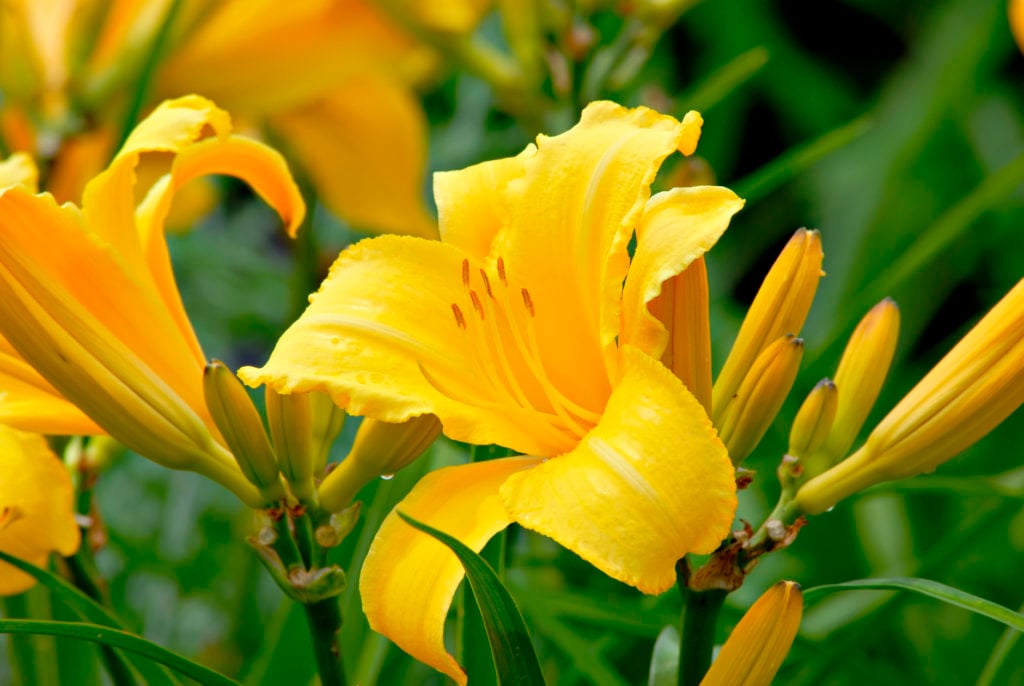
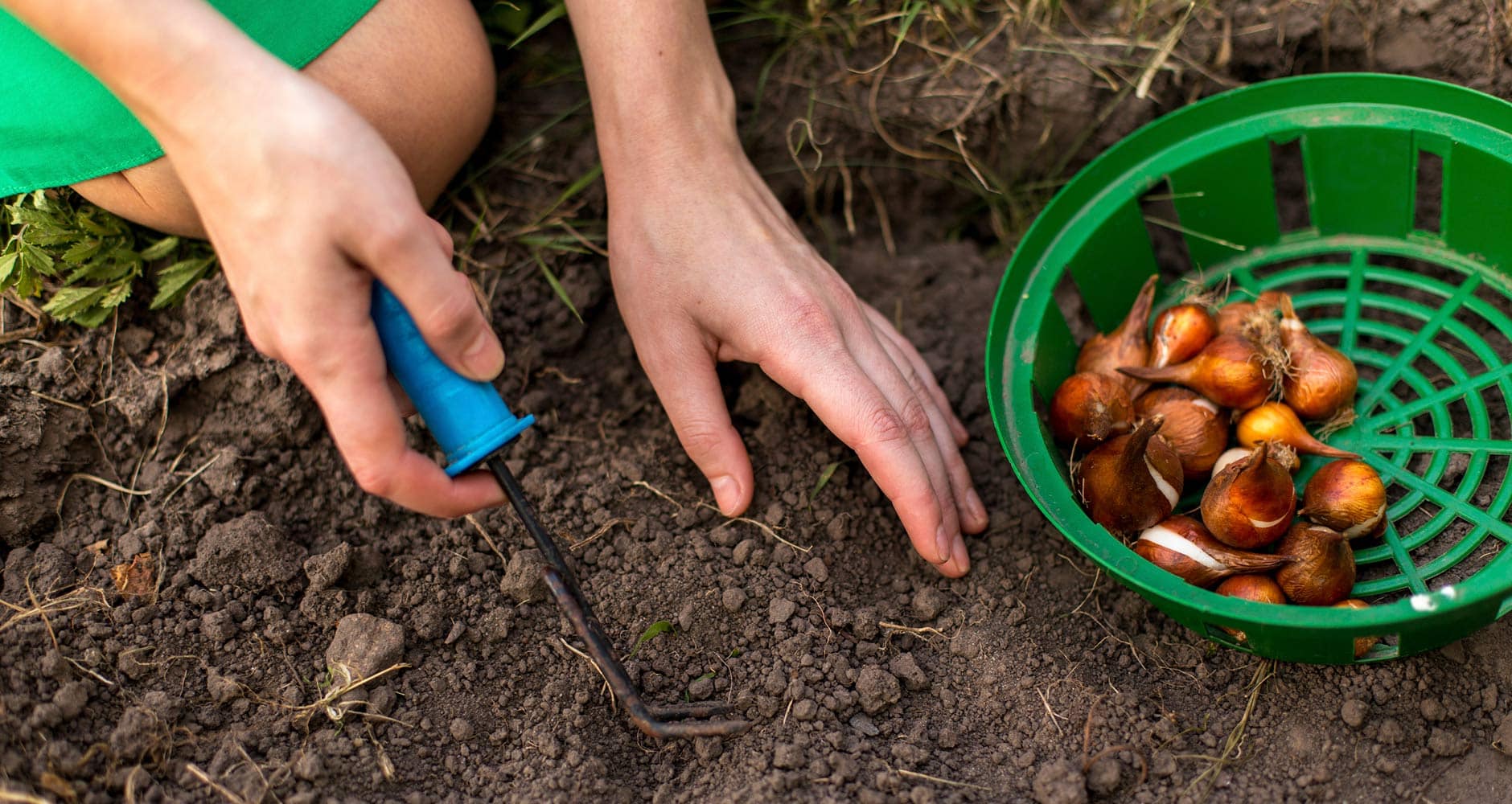
If you want daffodils, tulips, hyacinths, or lilies blooming in early spring, plan ahead and plant the bulbs in late September and October. This lets them establish roots over the winter. Plant when the ground has cooled, before it freezes. That usually happens when evening temperatures are in the 40s and 50s, around the time of the first frost. Avoid planting when the soil is too wet and warm, since it can cause mildew. If you want to lock in specific varieties, buy your bulbs early and store them in a cool, dark area until it is time to plant them.
Because of variation in climates, be sure to consider the number of days required for a plant to mature and the time you have until first frost before you start planting your fall garden. Check our Gardening Calendar so you know which days are best for certain tasks.
The Almanac Angle: Moon Phases And Root Crops
Almanac tradition holds that root crops (beets, carrots, radishes, parsnips, turnips) do best when sown during the waning moon. Above-ground crops (lettuce, kale, bok choy, broccoli) are sown during the waxing moon. The Farmers’ Almanac Gardening Calendar stamps every day in August and September with a recommendation, tied to the same 200-year-old formula the Almanac still prints for weather.

Frequently Asked Questions
When should I plant a fall vegetable garden?
In most of North America, August and September are the sweet spot. Count days-to-maturity backward from your first-frost date and add 14 days for shorter fall daylight. In the Deep South, you can start seeds into October. In Zones 3 to 5, sow by early to mid August.
Which vegetables get sweeter after a frost?
Beets, carrots, kale, parsnips, and Brussels sprouts convert starch to sugar in cold soil. Northern gardeners often leave parsnips in the ground until after New Year’s Day for the fullest sugar conversion.
What if I do not have time for seeds before the frost?
Buy transplants (young seedlings) at your local garden center for broccoli, cabbage, kale, and lettuce. They cut 3 to 6 weeks off the calendar and give you a full harvest before the first hard freeze.
When do I plant spring bulbs?
Plant daffodils, tulips, hyacinths, and lilies in late September and October, when evening temperatures fall into the 40s and 50s F, around the time of the first frost. Buy the bulbs early to lock in the variety you want, and store them in a cool, dark place until planting day.
Do fall gardens really have fewer pests?
Yes. Cooling soil, shorter days, and the end of the insect-breeding calendar mean fall crops face fewer aphids, hornworms, and squash bugs than spring or summer plantings. Cabbage worms and slugs remain the main watch items.
Can I extend the fall harvest into winter?
Yes, with row covers, cold frames, and a heavy mulch. Leeks, parsnips, kale, and carrots can be harvested straight from the ground through December in most of the country. Garlic planted in October produces the following July.
What should I plant in August for a fall harvest?
Direct-sow beets, carrots, turnips, radishes, spinach, lettuce, bok choy, kale and chard. Set out transplants of broccoli, cabbage, cauliflower and Brussels sprouts rather than seeding them this late. In zones 3 to 5, early August is the last honest window for anything needing more than 50 days to maturity.
Is September too late to plant vegetables?
Not at all, it just changes what you plant. September suits fast greens like spinach, arugula, mustard and radish nearly everywhere, plus garlic, shallots and spring bulbs going in for next year. In the Deep South and along the Gulf Coast, September is the main sowing month rather than the last one.
With contributions from freelance writers Kristen Hewitt and Deborah Tukua.

This article was published by the Staff at FarmersAlmanac.com. Any questions? Contact us at [email protected].
- Farmers' Almanac Staff

- Farmers' Almanac Staff

- Farmers' Almanac Staff

- Farmers' Almanac Staff

Very informative, love the Almanac