

15 Natural Immunity Boosters: Foods, Vitamins, and Habits That Work (2026)
Bolster your defenses and avoid getting sick with these natural immunity-boosting strategies.
Quick Reference: Natural Immunity Boosters
- Sleep target: at least 7 hours per night. The CDC and a 2015 Sleep journal study of 164 adults found people who slept fewer than 6 hours were more than four times as likely to catch a cold.
- Nutrients that consistently support immunity (per NIH ODS): vitamin C, vitamin D, zinc, and probiotics from fermented foods.
- Sugar warning: refined sugar suppresses immune response for hours after intake; a 1973 American Journal of Clinical Nutrition study is still cited by the Harvard T.H. Chan School of Public Health.
- Kitchen staples that help: lemon water, green tea, ginger, garlic, elderberry, raw honey (not for children under one year old).
- Movement dose: 30 minutes of moderate exercise most days. The American College of Sports Medicine calls this the immune-supportive minimum.
- When to see a doctor: fever above 102 F, symptoms lasting more than 10 days, or trouble breathing.
Cold and flu season 2026 to 2027 is nearly upon us, and if you are looking for ways to boost your immunity, you have come to the right place. Every day your immune system works hard for you, like an army fighting off harmful organisms, bacteria, and viruses, to keep you well. While you cannot control everything in your environment, there are simple strategies that help those fighters do their job better. The 15 natural immunity boosters below draw on National Institutes of Health Office of Dietary Supplements guidance, CDC data, and a Sleep-journal study of 164 adults that found short sleepers were more than four times as likely to catch a cold. Many of the items are already in your pantry.
15 Natural Immunity Boosters, Item by Item
1. Drink lemon water

Start your morning with a glass of lemon water to support immune function and stay hydrated. Fresh lemons carry vitamin C, potassium, and small amounts of magnesium. Squeeze the juice of one lemon into a glass of filtered water and drink it down each morning.
2. Limit refined sugar intake
Refined sugar creates inflammation in the body and drastically lowers your natural immune response, prolonging illness. A 1973 American Journal of Clinical Nutrition study, still cited by the Harvard T.H. Chan School of Public Health, found that white blood cell activity dropped sharply within an hour of sugar intake. Avoid all sugary foods when sick to support healing.
3. Get plenty of sleep

You have heard this one before, but do not underestimate a good night’s sleep, it goes a long way in strengthening your immune system. A 2015 Sleep journal study of 164 adults found people who slept less than 6 hours a night were more than 4 times as likely to catch a cold as those who slept at least 7 hours. If you have trouble sleeping, try these ideas.
4. Go for the green
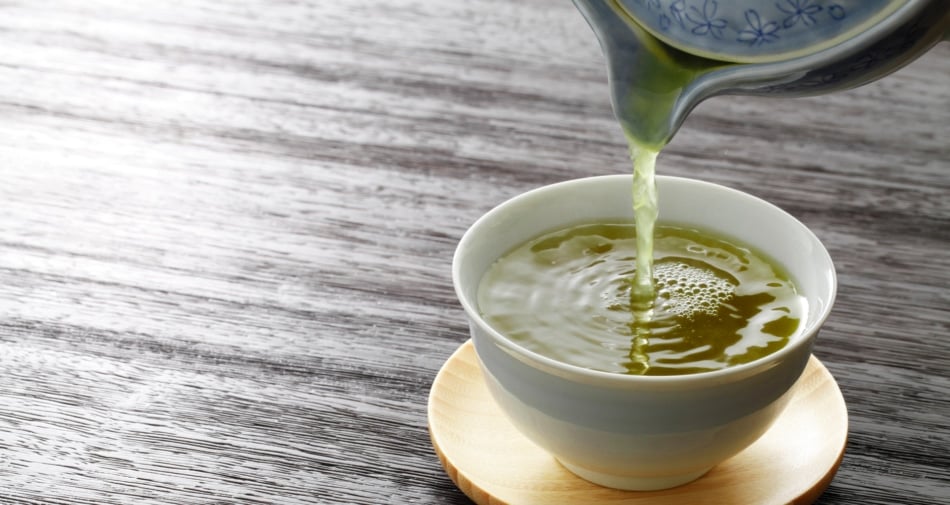
Green tea carries antioxidant, antiviral, antibacterial, and anti-fungal properties from its catechin polyphenols, which support natural immune defenses. Aim for two 8-ounce cups per day.
5. Consume fresh ginger
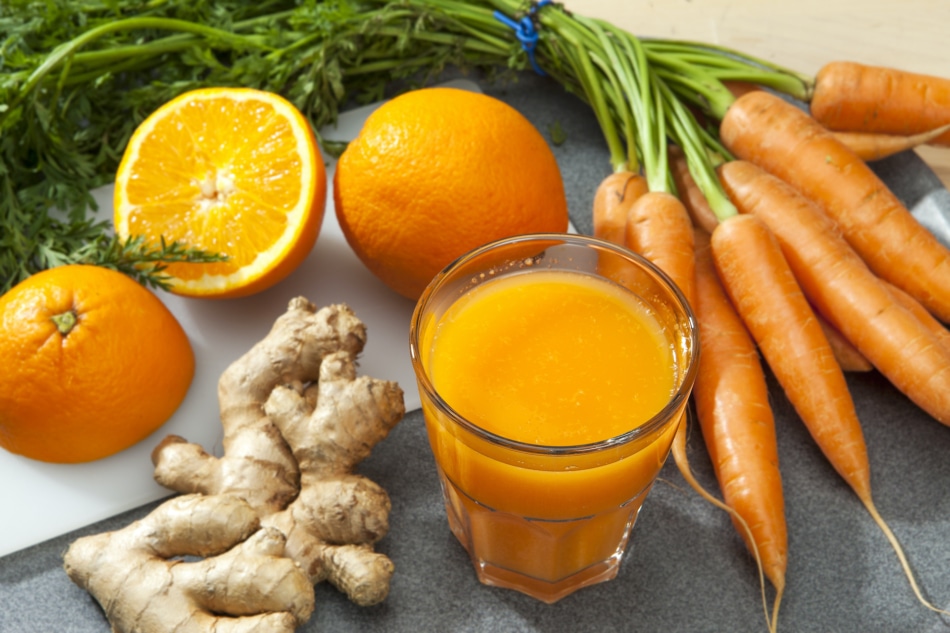
Ginger is a powerful antioxidant that boosts immune function, helps rid the body of toxins, cleanses the colon, and fights inflammation and infection. Add a little fresh grated ginger root to that hot cup of green tea for a double immune-supporting whammy.

6. Add garlic
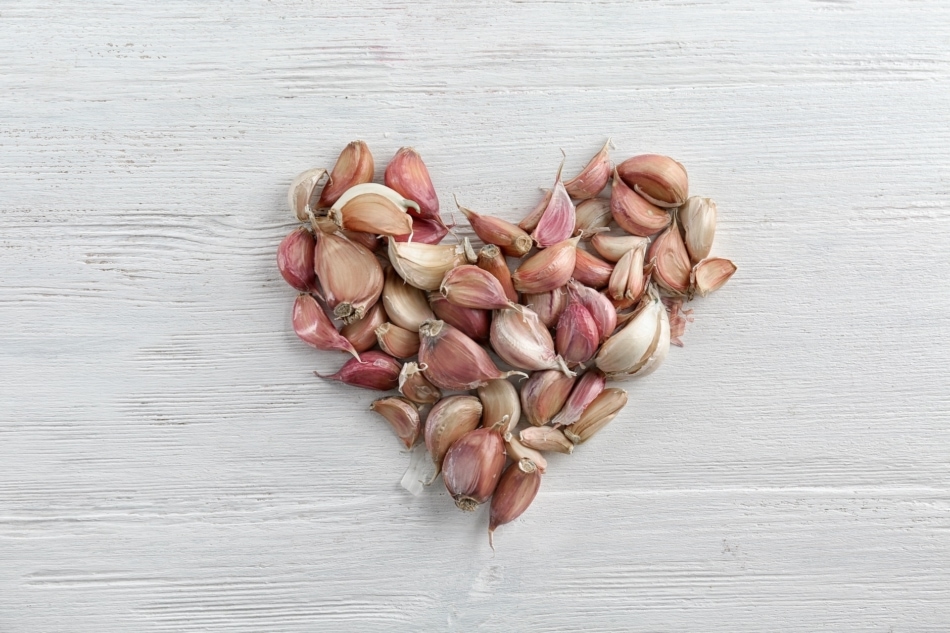
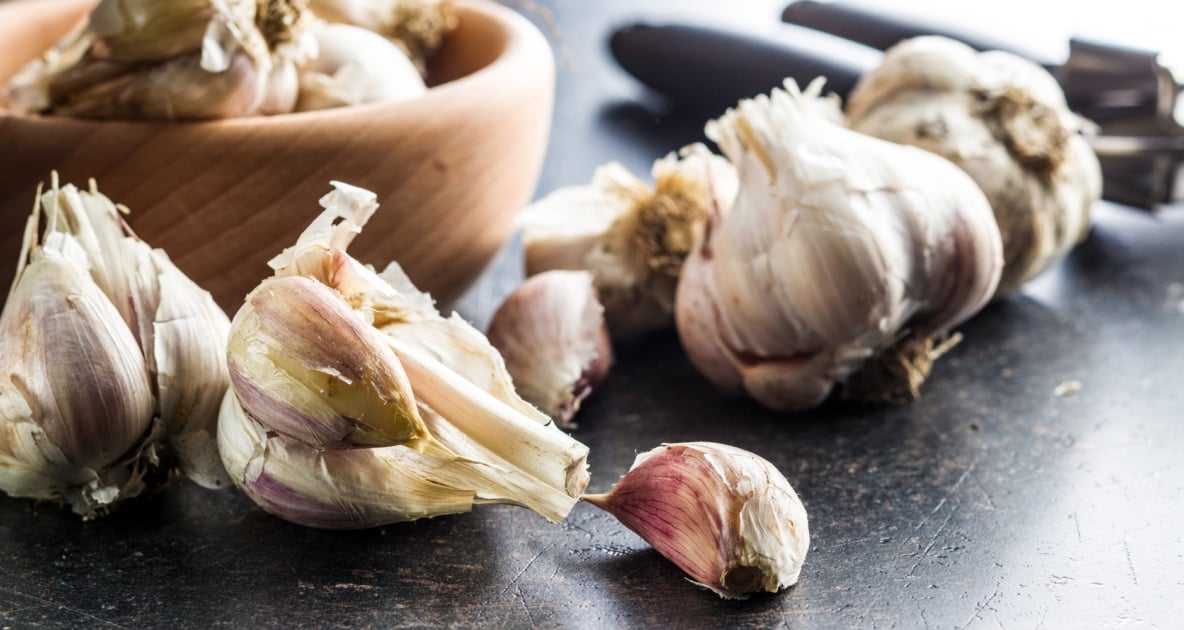
Garlic fights infection, supports immune response, and helps ward off the common cold and flu. A 2014 Cochrane review noted lower cold rates in a small trial of adults taking a daily garlic supplement (Cochrane Database of Systematic Reviews). Add fresh garlic (not powder) to your dishes or take a garlic supplement for its health-enhancing benefits.
7. Sip some bone broth
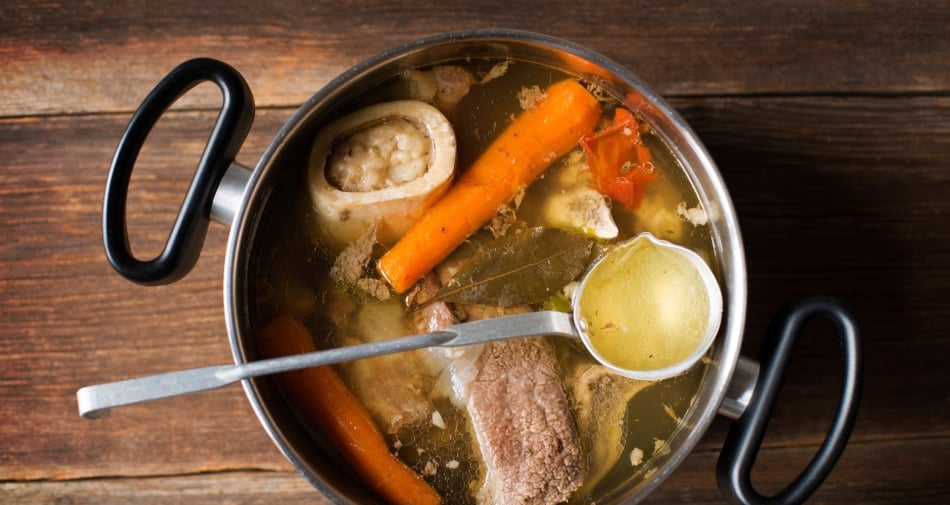
Bone broth is an excellent source of minerals and amino acids that support immune response, help fight infection and inflammation, and assist in healing. You can make your own following our recipe. Dr. Kellyann Petrucci, the author of Bone Broth Diet and Bone Broth Cookbook, recommends consuming bone broth daily for its vast benefits. Bring some to work in a thermos and sip throughout the day.
8. Try elderberry
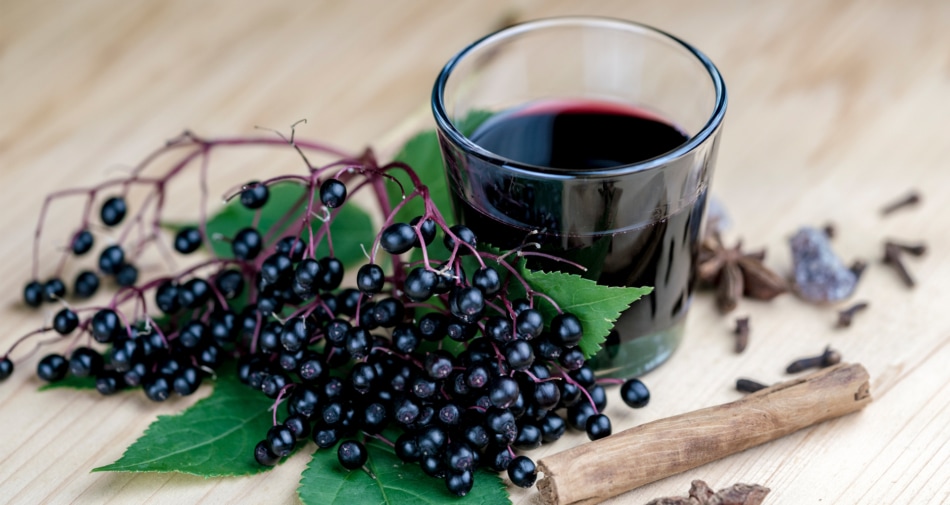
Elderberry is known to support immune function and has been used in folk medicine for generations to relieve colds, coughs, and congestion. The flowers and tiny dark berries of this native shrub are used to make herbal teas, syrups, or steeped in vinegar for medicinal use. Elderberry tinctures and syrups are available at your favorite health food store. Follow instructions on the label.
9. Consume raw honey
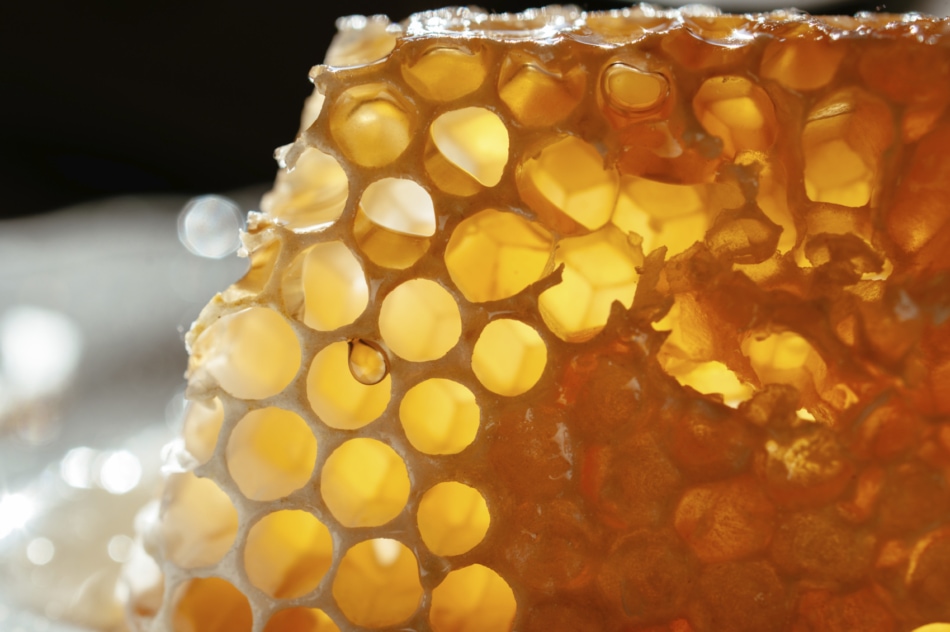
Local raw honey is known to help build tolerance to seasonal pollen. Honey is an antioxidant food that offers many health benefits when consumed in moderation. Take a spoonful daily for its antibacterial and healing properties, to support the immune system, and more. To reap its health-promoting benefits, purchase raw honey from a beekeeper who does not use chemicals in the colonies. Honey has a high sugar content, so limit its use to a spoonful a day. Note: children under one year old should not consume honey (CDC and USDA guidance).
10. Add some D
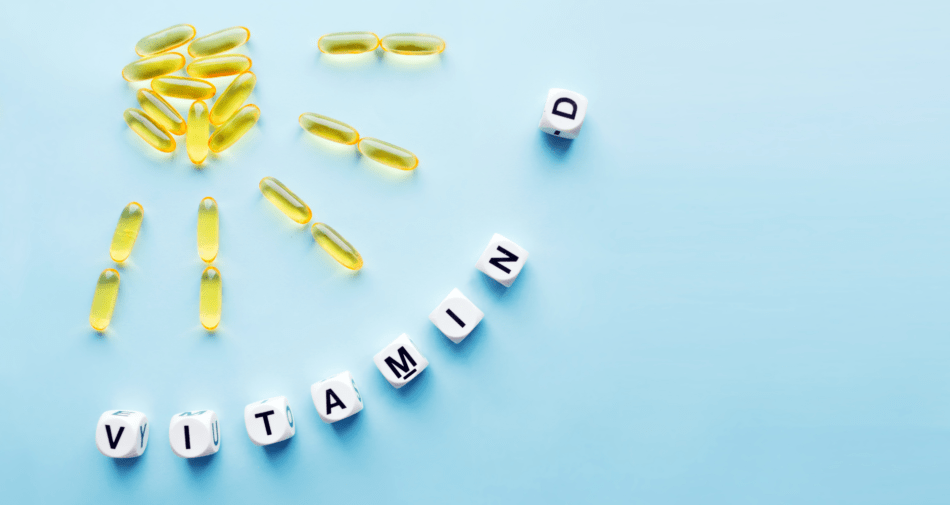
Vitamin D3 enhances immunity and helps the body fight bacteria, viruses, Candida, and numerous infections. Taking a vitamin D3 supplement daily during the months when sunshine is limited, especially for those living in the northeast, helps maintain optimal levels. The NIH Office of Dietary Supplements lists 600 IU per day as the standard adult intake, and up to 800 IU for those over 70.
11. Exercise regularly

Exercise reduces stress, improves your ability to fight disease, and lowers inflammation in the body. What is regular? Aim for 30 minutes a day, even if you have to break it up throughout the day. The American College of Sports Medicine calls a brisk 30-minute walk on most days the immune-supportive minimum. Regular exercise, even a brisk walk, has been shown to help us sleep better, maintain a healthy weight, and strengthen the immune system.
12. Ditch the processed foods

A poor diet of processed foods filled with additives compromises immune function and health. Eat plenty of antioxidant-rich whole foods such as broccoli, blueberries, cherries, citrus fruits, peppers, green leafy vegetables, pumpkin, and sweet potatoes. Use avocado oil, coconut oil, and olive oil instead of highly refined vegetable oils.
13. Turn to turmeric
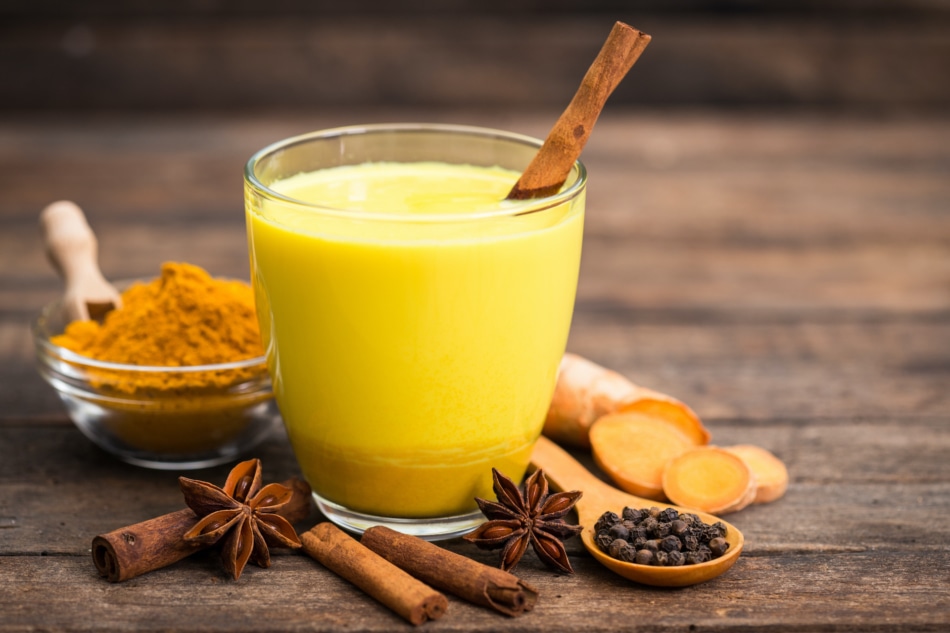
Turmeric contains beneficial curcumin, which reduces inflammation, helps heal the gut, supports brain function, and bolsters the immune system. Try the lightly-spiced beverage Golden Milk, a delicious way to receive its immune support and healing benefits.
14. Go pro
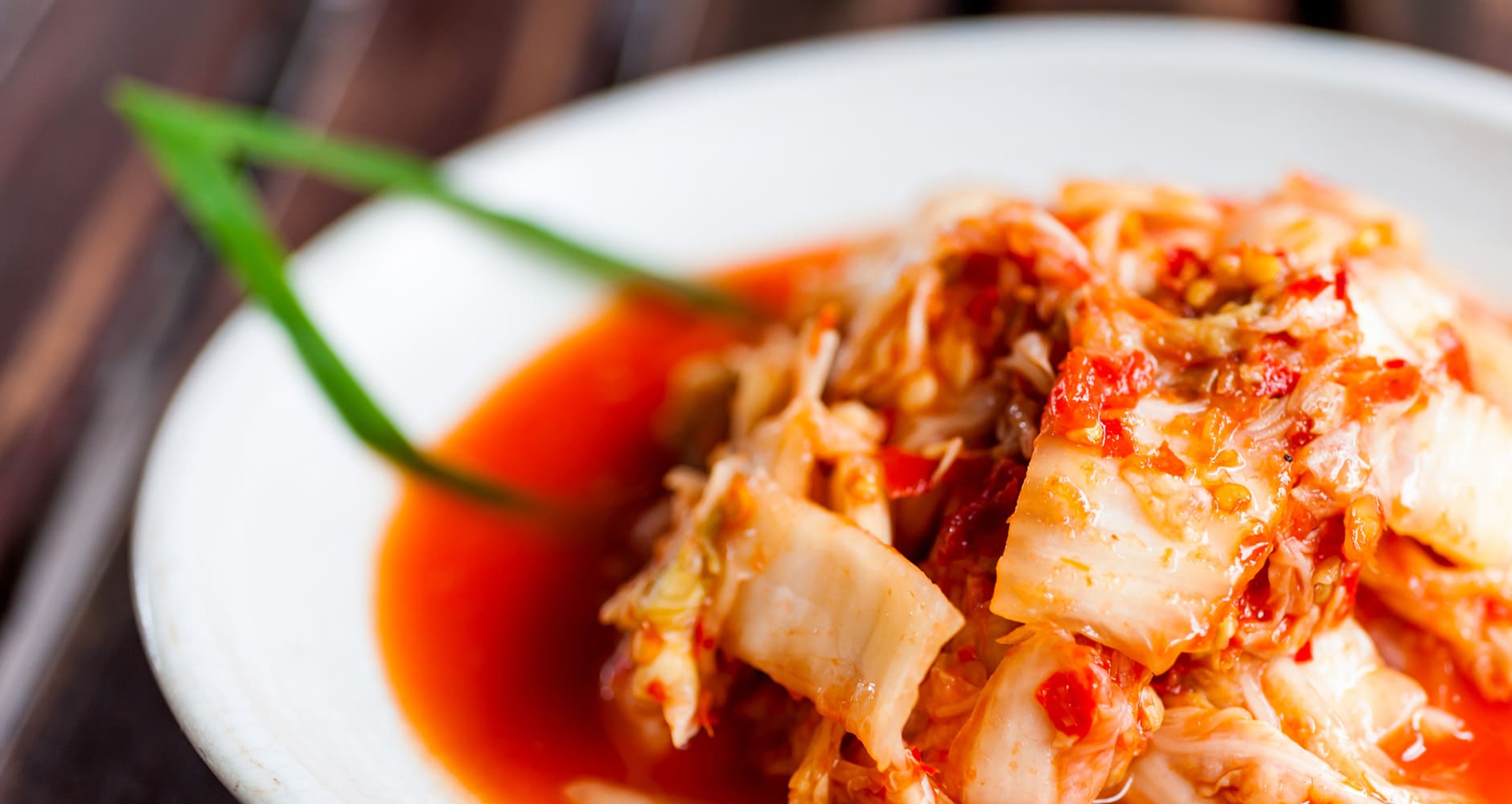
Probiotics are live, beneficial bacteria present in the colon which assist in the production of disease-fighting white blood cells. Probiotics improve gut health and support immune function. Fermented vegetables such as sauerkraut and kimchi, and beverages like kefir and kombucha, are rich in probiotics. Enjoy some daily with your lunch. Or try probiotic supplements, another option to ensure regular, daily intake.
15. Zap illness with zinc
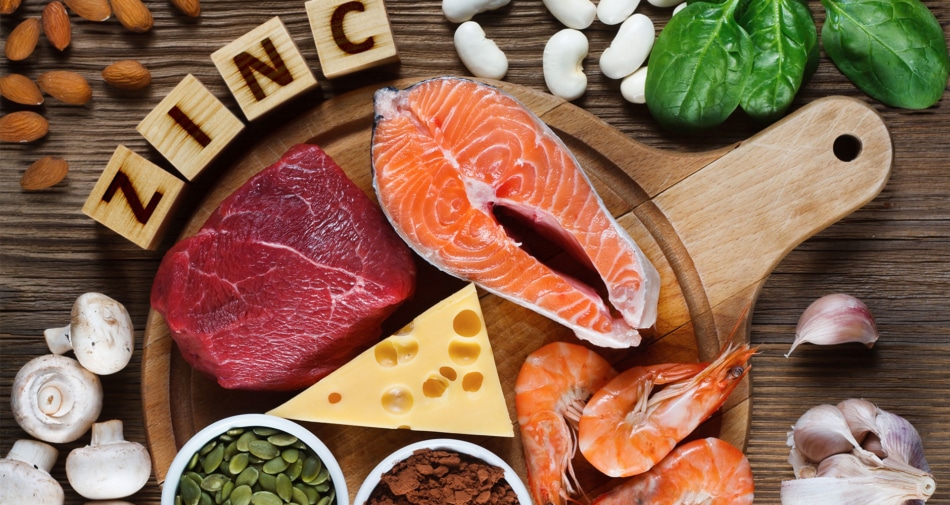
Zinc is an essential mineral that promotes healthy immune function and healing. Zinc lozenges are effective in relieving common cold symptoms and reducing their duration. Take a dose once or twice daily at the first sign of a cold, for up to two weeks, or per the advice of your holistic physician. Zinc’s antioxidant properties are similar to those of vitamin C. You can also consume natural food sources of zinc such as egg yolks, seafood, sardines, pecans, pumpkin seeds, and sunflower seeds. Herb sources of zinc include alfalfa, chickweed, dandelion, chamomile, cayenne, parsley, and rose hips.
A Seasonal Playbook: What Actually Moves the Needle Month by Month
Immunity is not one lever. It is a set of small, regional habits that shift with the calendar. The Farmers’ Almanac has watched enough winters to notice a pattern:
- Late summer (August to September): lean into farmer’s-market produce for the last big vitamin C and polyphenol load before frost. Start a daily walking habit while daylight is still generous.
- Autumn (October to November): add elderberry syrup and raw honey to the pantry. Refill the vitamin D bottle before daylight drops below 10 hours in the northern tier.
- Winter (December to February): prioritize sleep, warm broths, ginger and turmeric drinks, and 20 minutes of midday sunlight for vitamin D synthesis where possible. Consider a supplement if you live north of the 37th parallel (roughly the line from Richmond to San Francisco).
- Early spring (March to April): layer local raw honey to build tolerance to incoming pollen. Reintroduce outdoor exercise as the ground firms.

Frequently Asked Questions
Do natural immunity boosters replace a flu shot?
No. The CDC still recommends the seasonal influenza vaccine for everyone 6 months and older as the primary defense against the flu. Natural immunity boosters like sleep, nutrition, and moderate exercise are complementary, not a substitute for vaccination.
How much vitamin D should adults take in winter?
The NIH Office of Dietary Supplements lists 600 IU per day as the standard adult intake, and 800 IU for adults 70 and older. Higher doses may be recommended by a doctor after a blood test shows deficiency. Do not exceed 4,000 IU per day without medical guidance.
Does zinc actually shorten a cold?
A 2013 Cochrane review found zinc lozenges taken within 24 hours of the first symptom shortened cold duration by about a day. Doses used were 75 milligrams per day for up to two weeks. Long-term high-dose zinc can interfere with copper absorption, so keep the course short.
Is elderberry safe for children?
Prepared, cooked elderberry syrup is widely used for children over one year old. Raw uncooked elderberries and unprepared parts of the plant contain cyanogenic compounds and should not be eaten. Follow product-label dosing and check with a pediatrician for children under two.
Do probiotics really help immunity?
A 2022 Nutrients meta-analysis of 30 randomized controlled trials found daily probiotics reduced the incidence and duration of upper respiratory infections in adults and children by roughly a week per season. Fermented foods count; supplements work too.
How long should I stay home when I feel a cold coming on?
The Farmers’ Almanac editors are not doctors. As a rule of thumb, stay home for 24 hours after a fever breaks without medication, and until major symptoms (cough, runny nose, sore throat) are mild enough not to spread to others. Return to full activity gradually.
Are natural immunity boosters safe with prescription medication?
Some interact. Elderberry can amplify diabetes and immune-suppressant drugs. Turmeric can interact with blood thinners. Raw honey is off-limits for infants under one. Tell your pharmacist about any supplements you take, especially at seasonal check-ups.


Deborah Tukua
Deborah Tukua is a natural living, healthy lifestyle writer and author of 7 non-fiction books, including Pearls of Garden Wisdom: Time-Saving Tips and Techniques from a Country Home, Pearls of Country Wisdom: Hints from a Small Town on Keeping Garden and Home, and Naturally Sweet Blender Treats. Tukua has been a writer for the Farmers' Almanac since 2004.
- Deborah Tukua

- Deborah Tukua
- Deborah Tukua
- Deborah Tukua





Excellent blog! It is the best ways to improve immunity in our body
Thanks for creating the most valuable content about Immunity. At this time, it’s the most important part of our life.
Arogyam Pure herbs immunity booster kadha is made from herbs and spices. all are given in raw form, just boil it instantly ready. Its taste is also very nice. We are using in making of tea and everyone like it. usual ayurvedic kadha are bitter in taste and very difficult when you are supposed to give it to children, but arogyam kadha is good. Also it helps us to stay healthy ang strong in this pandemic situation of COVID-19
I really believe in natural remedies. I learn a lot from your wonderful herbal medicines I will put them in practice. Thanks
Is d3 easy to find:
C.V.S. drug stores or SPROUTS STORE
You can also order online. Swanson Vitamins is a reputable company.
I would just like to add regarding vitamin D3 is to take vit K2 with it. K2 displaces the calcium in the blood and directs it to the bones where it should be. For every 1000 IU vit D3 take 100 mcg K2.
Thank you Ali. I will look into it