

Cranberry Health Benefits: 4 Reasons To Eat More Cranberries (2026)
If you've dismissed cranberries as just a holiday decoration, you're missing out on a treasure trove of health benefits.
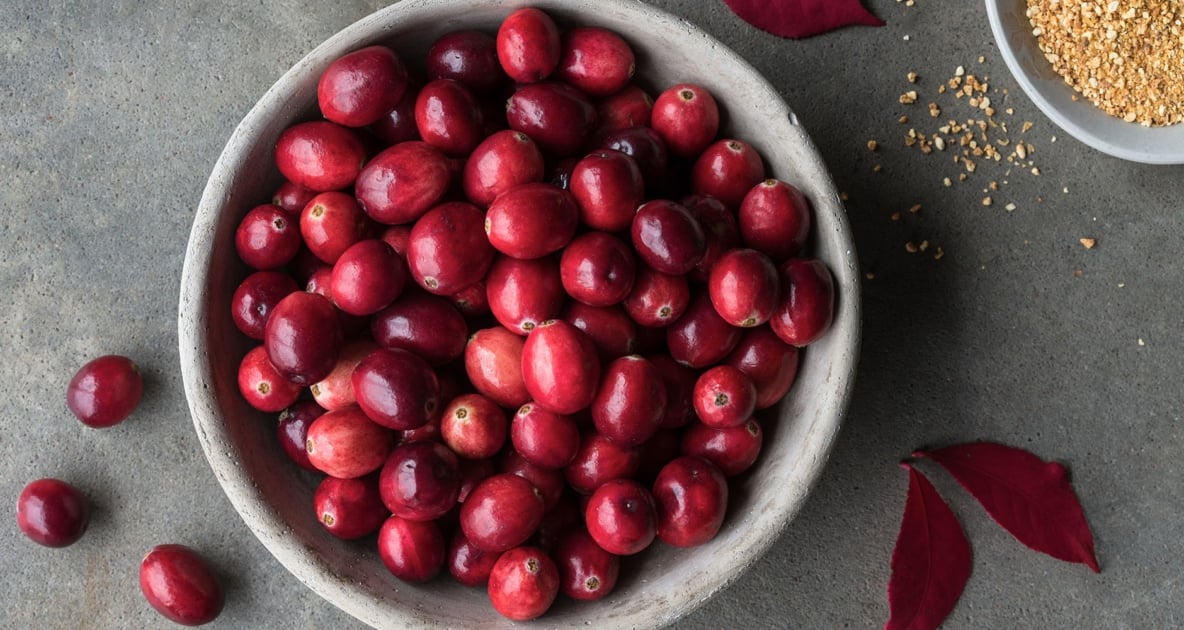
Quick Reference: Health Benefits of Cranberries
- Nutrition (1 cup raw): 46 calories, 24% DV vitamin C, 20% DV manganese, 18% DV dietary fiber, 8% DV vitamin E, 7% DV copper, 6% DV vitamin K, per USDA FoodData Central.
- Antioxidant firepower: cranberries top most published US Department of Agriculture ORAC tables, out-scoring blueberries per gram thanks to their proanthocyanidin (PAC) load.
- The UTI angle: a 2023 Cochrane systematic review of 50 trials found cranberry products reduce recurrent urinary tract infections by roughly a quarter in women prone to them.
- Heart-health signal: a 2013 Nutrition Journal study showed 2 glasses of low-sugar cranberry juice daily lowered arterial-plaque markers.
- Glycemic load: 2 on a 0 to 100 scale, so cranberries are a low-sugar-impact fruit.
- Fresh season: October through December (frozen year-round). National Eat A Cranberry Day is November 23.
This time of year tangy, tart cranberries take center stage. They adorn the Thanksgiving table and add flavor and color to holiday quick breads. There is more to these little red berries than a festive holiday decoration. Cranberries are being recognized as a true superfood, out-scoring even blueberries per gram in the US Department of Agriculture’s ORAC antioxidant tables, and a 2023 Cochrane review of 50 clinical trials confirmed the UTI story that folk wisdom has repeated for a hundred years. Below are the four healthy reasons to eat more cranberries, plus the regional harvest map, the sugar-content caveat, and easy ways to get them onto your plate all year.
The Health Benefits of Cranberries
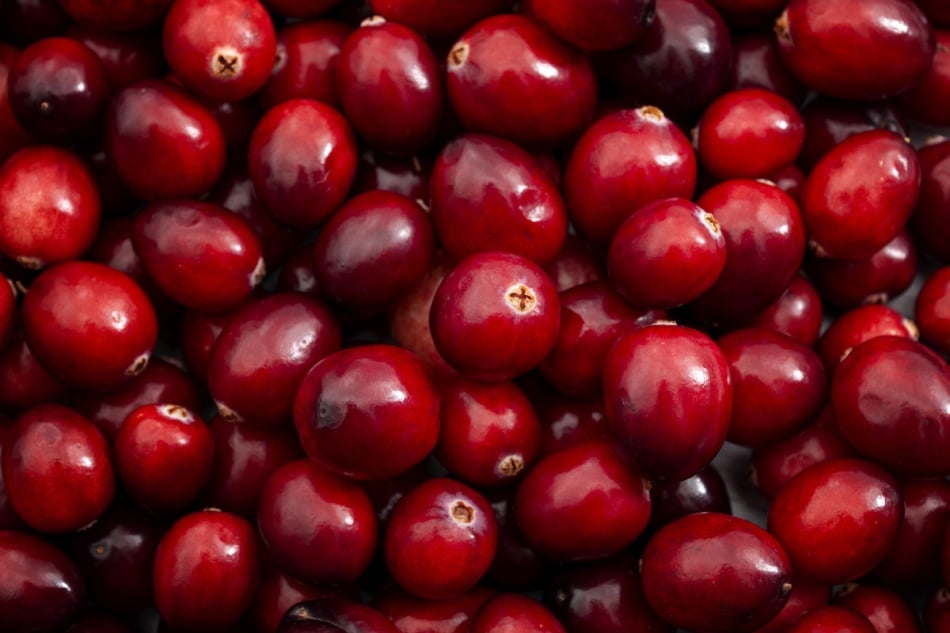
A one-cup serving of cranberries provides the following percentage of daily value (USDA FoodData Central, entry for raw cranberries):
- 24% Vitamin C
- 18% dietary fiber
- 20% manganese
- 8% of Vitamin E
- 7% copper
- 6% of Vitamin K
- 6% pantothenic acid
- Only 46 calories
- They are low in sugar (as anyone knows who has bitten into a fresh cranberry), so they carry a low glycemic load. A food’s glycemic load indicates its impact on blood sugar levels. Cranberries carry a glycemic load of 2 (on a scale of 0 to 100), so they are a great fruit to add to your diet.
- Cranberries are high in antioxidants, like vitamins A, C, and plant-based proanthocyanidins. As a refresher, antioxidants fight free radicals, those compounds generated from fried foods, alcohol, tobacco smoke, pesticides, and other negative elements in our environment. Too many free radicals can cause inflammation and cell damage, which can lead to conditions like cancer, Parkinson’s disease, and premature ageing. Cranberries contain a lot of good stuff to help fight off the bad guys.
- They help to increase immune function, especially against colds. The chemicals within cranberries have antiseptic properties, allowing them to destroy microorganisms and bacteria.
- Cranberries and cranberry juice have cardiovascular benefits. Studies have shown the fruit’s polyphenols, as well as their anthocyanins (the compounds that give cranberries their vibrant red color), are responsible for breaking down plaque deposits in artery walls. A 2013 study found that 2 glasses of cranberry juice daily reduces the number of cells that cause hardening of the arteries. A word of caution: commercially sold cranberry juice is high in sugar. Your health food store may carry a low-sugar option.
UTIs?
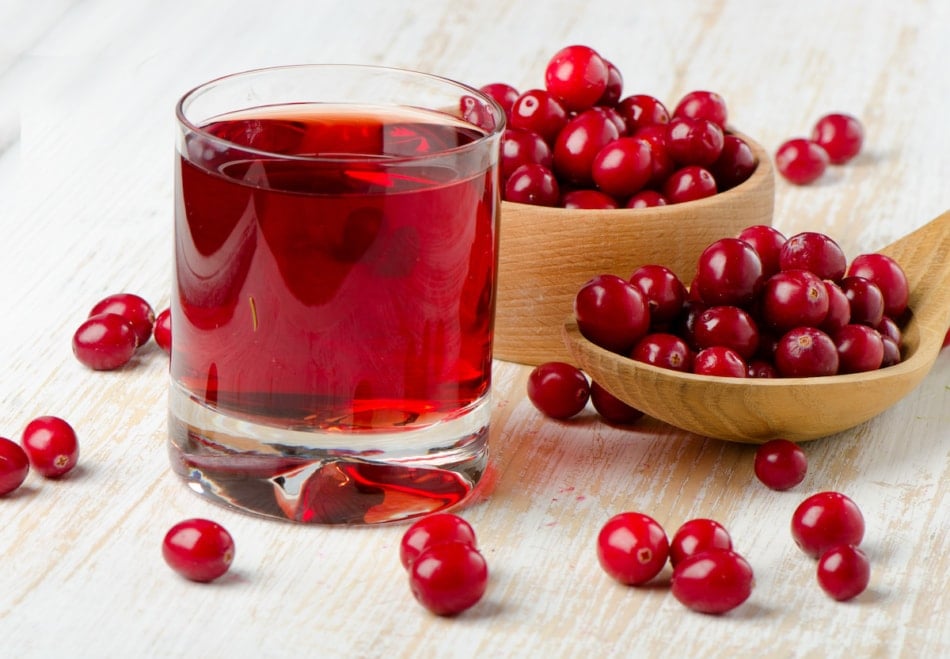
What about cranberry’s ability to help fight urinary tract infections? A 2023 Cochrane review of 50 clinical trials with 8,857 participants confirmed that cranberry products cut the recurrence of UTIs by roughly a quarter in women prone to them, and by about half in children. Fresh cranberries, cranberry powder, and concentrated capsules all worked; sweetened commercial juice did not. The Cochrane team notes cranberry products are a preventive, not a cure: they do not clear an active infection, and antibiotics remain the medical standard for treatment. Today’s commercially sold juice is often not astringent enough and contains too much sugar to be an effective remedy.
Availability
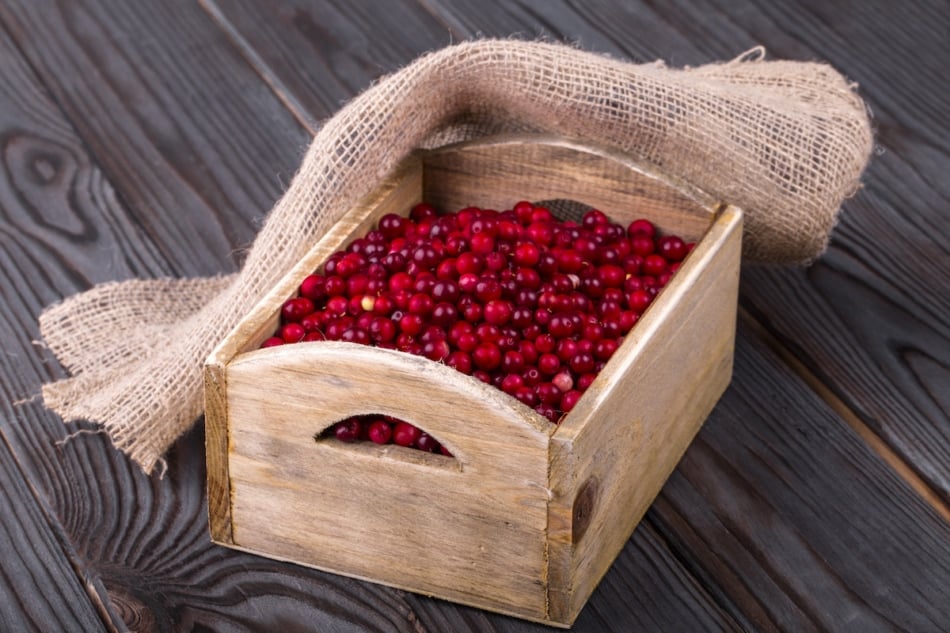
Fresh cranberries are available from October through December. Many grocery stores also carry them frozen year-round, and the nutrient content of frozen berries is virtually identical to fresh, per USDA FoodData Central.
Fun fact: November 23 is National Eat A Cranberry Day.

Where the US and Canadian Crop Comes From
Cranberries are one of only three commercially grown fruit crops native to North America (the other two are blueberries and Concord grapes, per the Cranberry Marketing Committee). US Department of Agriculture NASS and Statistics Canada put the harvest map like this:
- Wisconsin: more than 60 percent of the US crop, harvested mid-September through October.
- Massachusetts: the founding state of the modern industry; Cape Cod bogs still supply a large share of fresh-market bags.
- New Jersey, Oregon, and Washington: mid-size producers with steady October and early-November wet harvests.
- Quebec and British Columbia: the leading Canadian producers. Quebec supplies more than a quarter of the North American crop.
Nearly all commercial cranberries are wet-harvested by flooding the bog and knocking the berries loose. The floating red carpet of fruit is the postcard image most people know.
Easy Ways To Add Cranberries To Your Diet

Try these ideas to add fresh cranberries into your diet:
- Add fresh or frozen cranberries to recipes where you would normally use blueberries or other berries: muffins, scones, oatmeal, breads, pancakes, and tea cakes. Try this recipe.
- Add a cup of fresh cranberries to your favorite apple crisp, crumble, or Brown Betty recipe. You can even sub out all the apples for cranberries for an all-cran crumble. It may be a little bit tarter, so you may want to adjust the sweetener.
- Toss a handful of fresh cranberries in with braised meats, your favorite holiday stuffing, and baked squash recipes.
- Add a cup of fresh or frozen cranberries to your apples when cooking applesauce for a vibrant color and extra tartness.
- Freeze them. Frozen cranberries make festive red ice cubes to keep your New Year champagne chilled.
- Try this homemade Cranberry Sauce recipe for a tart-and-spicy change of pace.
A tablespoon of dried cranberries or a small handful of frozen berries per day is enough to hit the polyphenol dose used in most clinical studies. That is a low bar, and it fits a normal breakfast.

Frequently Asked Questions
Are cranberries actually good for UTIs, or is that a folk claim?
The 2023 Cochrane systematic review of 50 trials with nearly 9,000 people confirmed that cranberry products prevent the recurrence of urinary tract infections in women prone to them by around 25 percent, and by nearly half in children. The mechanism is proanthocyanidins that block bacteria from sticking to the bladder wall. Cranberry is preventive, not curative; treat an active infection with antibiotics under a doctor’s care.
How many cranberries do I need to eat to get the benefit?
Most clinical studies used the equivalent of about a quarter-cup of fresh cranberries daily, or 500 milligrams of concentrated cranberry powder. A tablespoon of dried cranberries or a small handful of frozen berries stirred into oatmeal is enough.
Is cranberry juice as good as fresh cranberries?
Sweetened cocktail juice is not, because sugar dilutes the effect and adds calories. Unsweetened pure cranberry juice or low-sugar concentrated juice does work in the studies. Read the label; if sugar is the first or second ingredient, look for another product.
Do frozen cranberries lose nutrients?
Not meaningfully. USDA FoodData Central shows the vitamin C, fiber, and polyphenol content of frozen cranberries is nearly identical to fresh. Buy fresh in season (October through December), freeze the bag whole, and pull out a handful at a time.
Are cranberries safe for people on blood thinners?
Cranberries can enhance the effect of warfarin. If you take warfarin or another blood thinner, keep cranberry intake consistent day to day and mention it to your doctor. There is no restriction for people not on those medications.
What is the difference between cranberries and blueberries for antioxidants?
Blueberries get more press, but cranberries score higher on the USDA ORAC antioxidant scale per gram, largely because of their proanthocyanidin content. Both are good; cranberries add the extra UTI-prevention story.
Can I grow cranberries at home?
Only in a very acidic bog-like setting (pH 4.0 to 5.0) with a long cool growing season. USDA Zones 3 to 5 in the Northeast, Upper Midwest, and Pacific Northwest are the realistic home-garden range. Contact your county Extension office for a variety and site plan before you buy plants.


This article was published by the Staff at FarmersAlmanac.com. Any questions? Contact us at [email protected].
- Farmers' Almanac Staff

- Farmers' Almanac Staff

- Farmers' Almanac Staff

- Farmers' Almanac Staff




One can certainly tell a young person was writing for this column article…….. hahahahaaa as you have listed “Ageing” as a disease! Nothing we eat , drink or meds we take will stop the progression of ageing……it comes to all of us eventually. I would advise you to be prepared for it!
I’m sure they are simply referring to the degeneration of body systems. And, while nothing can stop aging, there are many lifestyle choices that can slow that breakdown substantially: enter cranberries.
“diseases like cancer, Parkinson’s disease, and aging”
Since when is ageing a disease? As the old saying goes, ” Given the alternative . . . “
Cranberries are so Awesome!! We have discovered how good it is when we make homemade cranberry sauce the last couple years! My husband even made a pie using pecans, honey crisp apples and lots of cranberries! Topped with some homemade cranberry ice cream makes a delicious treat!
I throw cranberries in oatmeal and soup, love the flavor and the texture.