

Monarch Butterfly Facts and How to Help Them Thrive
The monarch butterfly is the most beautiful and interesting creature in the insect world, and its migration is a source of fascination for many. How much do you know about them? These 10 facts that will amaze!
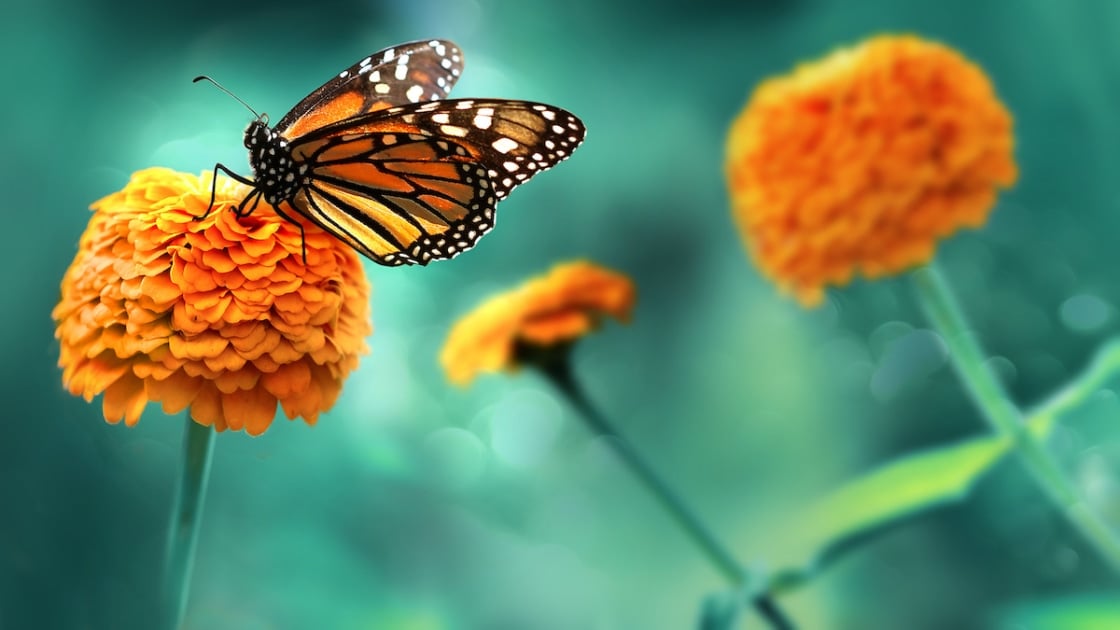
Quick Reference: The Monarch Butterfly
- Scientific name: Danaus plexippus, the orange-and-black butterfly most of us picture first.
- Host plant: milkweed, the only plant monarch caterpillars can eat, which is why a pollinator garden starts here.
- Migration: a multi-generation trip of some 3,000 miles, with the fall generation flying all the way to central Mexico.
- Adult lifespan: roughly two to six weeks for summer monarchs, far longer for the overwintering generation.
- How to help: plant native milkweed and nectar flowers, skip the herbicides, and report your sightings.
Each spring, millions of monarch butterflies return to their summer breeding grounds in the northeastern U.S. and Canada, a trek of some 3,000 miles from Mexico where they went to escape the cold of winter. It is one of the greatest natural events on Earth, and the whole thing runs on a single roadside plant called milkweed. Plant a little of it this season and you turn your own yard into a rest stop on that ancient route.
How much do you know about the monarch butterfly? These 10 facts will amaze, and at the bottom we will walk through how to build a pollinator garden that actually helps them.
10 Amazing Facts About The Monarch Butterfly
1) The adult female monarch butterfly lays tiny eggs covered with a sticky substance on the underside of milkweed leaves, which are extremely toxic. The caterpillar hatches from its egg several days later and survives on these milkweed leaves.
2) The monarch caterpillar and adult butterfly retain the poison from the milkweed leaves in its body, thus protecting it from being eaten by predators.
3) Every spring, adult monarch butterflies head north from their winter respite in the southern forests of Mexico and California, and return in the fall, a journey some 2,000-3,000-miles each way.
4) The monarch butterfly will continue to feed, fly, and reproduce throughout the U.S. and southern Canada, for several generations. It is the fourth generation of monarch butterflies that actually migrate to Mexico in fall.
5) Monarch butterflies travel as much as 100 miles a day during its 3,000-mile migration south.
6) During its migration, each butterfly relies on the huge volume of food it ate when it was a caterpillar for fuel.
7) Monarchs smell with their antennae. Nectar and water are tasted by the sensory hairs on their legs and feet.
8) Monarch butterflies cannot bite, and drink through a long tongue called a proboscis that works like an eyedropper drawing up nectar. Like a retractable garden hose, its tongue coils up under its lower lip when not in use.
9) Once the Monarch butterfly is hatched, it only lives for approximately 2 to 6 weeks.
10) The monarch butterfly’s bright colors serve as a warning to predators that they are poisonous, and they should attack at their own risk. Monarchs not only taste bad, but they are poisonous due to the presence of cardenolides (a type of steroid) in their bodies, which the caterpillars get from the milkweed they feed on.
Why Milkweed Is the Whole Story
If you read those 10 facts closely, one plant keeps coming up. Milkweed (the genus is Asclepias) is the only plant a monarch caterpillar can eat. The female lays her eggs on the underside of the leaves, the caterpillar feeds there, and the cardenolides it swallows are what make the adult butterfly poisonous to birds for the rest of its life. No milkweed, no monarchs. That is the plain truth of it, and it is why a butterfly-friendly yard begins with milkweed rather than a bag of pretty annuals.
The National Park Service keeps a clear, plain-English overview of the monarch’s life cycle and milkweed dependence in its monarch butterfly profile if you want to read more about the science behind the migration.
Pick the Right Milkweed for Your Region
There are many native milkweeds, and the best one for you depends on where you garden. Planting a species native to your area gives the monarchs what they evolved alongside and keeps the plant from becoming a nuisance. Here is a rough guide to get you started.
A note on tropical milkweed: the showy red-and-yellow tropical milkweed sold at many garden centers is not native to most of the country and can disrupt migration if it keeps growing late into the year. Where you can, choose a milkweed native to your own region instead.
What Does Folklore Say About The Monarch Butterfly?
According to folklore, “early migration of the Monarch butterfly” is one of the 20 signs of a hard winter ahead. The old timers watched the skies for departing monarchs the way they watched for thick corn husks and busy squirrels, reading the natural world for a hint of the season to come.

What Can We Do to Help the Monarch Butterfly Thrive?
Sadly, monarch butterflies are headed to extinction. To save them, the U.S. Fish and Wildlife Service, the National Wildlife Federation, and the National Fish and Wildlife Foundation are working together to grow milkweed and other butterfly-friendly plants along the monarch’s main migration route from Minnesota to Mexico.
That corridor runs right through the middle of the country, which means the milkweed you plant in a backyard, a schoolyard, or a strip of unmowed roadside is part of the same chain of rest stops the big conservation groups are trying to rebuild. Small plots add up.
We can help too. Here’s how:
- Establish a wildflower garden in your yard for pollinators like the monarch butterfly and honey bee.
- Ask your local government and garden clubs to work together to establish pollinator wildflower gardens in city parks, etc.
- Encourage local farmers to designate space along fence rows, and in ditches for native wildflowers to thrive, without the use of chemical sprays.
- Plant milkweed in your yard, or field.
- Plant native wildflowers along your driveway and fencing.
- Don’t spray chemical herbicides on your lawn, garden, or fields.
- If your local electric authority sprays chemical herbicides under power lines on your property, contact them, complain and ask to be placed on the no-spray list.
- Buy a butterfly kit. Encourage your children to experience, and appreciate the life cycle of the butterfly, first hand.
- Report any sightings of Monarchs here.
Nectar Flowers to Pair With Your Milkweed
Milkweed feeds the caterpillars, but the adult monarchs need a steady supply of nectar, especially in late summer and fall when they are fueling up for the trip south. Plant a few of these alongside your milkweed so there is something blooming from spring through the first frost.
- Coneflower, black-eyed Susan, and bee balm for the heart of summer.
- Goldenrod, asters, and Joe Pye weed for the fall migration fuel-up.
- Zinnias and cosmos as easy annuals that bloom until frost.
Group the same flower in clumps rather than scattering single plants, since a broad patch of color is easier for a passing monarch to find. For more on which plants grow well together, see our companion planting guide.
Keep Learning
How To Attract Butterflies To Your Garden
9 Bugs That Are Fun Or Beneficial
10 Amazing Facts About Hummingbirds

Monarch Butterfly: Frequently Asked Questions
What is the scientific name of the monarch butterfly?
The monarch butterfly is Danaus plexippus, the familiar orange-and-black butterfly of summer gardens across North America. Its bright colors are a warning to predators that it is poisonous, a defense it gets from the milkweed it eats as a caterpillar.
Why is milkweed so important for monarchs?
Milkweed is the only plant a monarch caterpillar can eat. The female lays her eggs on the underside of milkweed leaves, the caterpillar feeds on them, and the toxins it takes in make the adult butterfly poisonous to predators. Without milkweed there are no monarchs, which is why a pollinator garden starts with it.
How far do monarch butterflies migrate?
Monarchs migrate some 2,000 to 3,000 miles each way, traveling as much as 100 miles a day on the trip south. The migration is multi-generational. Several generations live and breed across the U.S. and southern Canada through the summer, and it is the fourth generation that flies all the way to the forests of central Mexico to overwinter.
How long does a monarch butterfly live?
Most adult monarchs live for approximately 2 to 6 weeks. The exception is the fall migrating generation, which lives several months so it can make the long journey to Mexico, overwinter, and start the trip back north in spring.
When should I plant milkweed for monarchs?
Sow milkweed in spring after your last frost, or in fall so the seeds get the cold spell many native species need to sprout. Choose a milkweed native to your region, give it full sun, and pair it with nectar flowers that bloom into fall. The Gardening by the Moon Calendar lists this month’s Best Days to plant in your area.
How can I help save the monarch butterfly?
Plant native milkweed and nectar flowers, skip chemical herbicides on your lawn and garden, ask to be put on your utility’s no-spray list, and encourage parks and farms to leave room for wildflowers. Reporting your monarch sightings to a tracking project also helps researchers follow the migration.
Join The Discussion!
Do you love monarch butterflies?
What questions do you have about them?
When was the last time you saw a monarch butterfly?
Please post any of your photos here!


Deborah Tukua
Deborah Tukua is a natural living, healthy lifestyle writer and author of 7 non-fiction books, including Pearls of Garden Wisdom: Time-Saving Tips and Techniques from a Country Home, Pearls of Country Wisdom: Hints from a Small Town on Keeping Garden and Home, and Naturally Sweet Blender Treats. Tukua has been a writer for the Farmers' Almanac since 2004.
- Deborah Tukua

- Deborah Tukua
- Deborah Tukua
- Deborah Tukua





Excellent/Interesting video. I’m a senior now but have always loved seeing the Monarchs flitting around over the passing years.
I’m a permaculture gardener from Manly, IA; a town that runs along I-35, the monarch path. I am very focused on the ecosystems surrounding my home. As of today my focal plants will be my rhizomes milkweed plants. My starting goal is to build the monarch butterfly population. To build a permaculture world around my milkweed will be a challenge, but exciting. I needed a focal point and now I have one. Oh, and one more thing…I’m looking for accountability partners particularly in the permaculture field of interest.
I’ve been saving Monarchs for a couple years, but this year I have saved more than ever. Last year I kept several milkweed seeds and grew 16 milkweed plants. I also have several more that came up from wintering over. As soon as I’d see a caterpillar, I’d get them in my butterfly tent because preditors would kill them very quickly. I think it’s wasps. Anyway, I’ve released at least 20 this summer and probably have that many more. Also working on black swallowtails with dill and fennel plants.
I just started raising monarch butterflies this spring in northern Florida where we spend our winters. We spend our summers in northern MI.
I learned of this hobby from a colleague and have been loving it. I have passed on what I have learned to several neighbors and the excitement continues to build. I have shared this love of nature with my daughter and granddaughter as well.
So far this spring I have had two butterflies and I currently have 7 chrysalis waiting to hatch into beautiful monarchs!
I’m learning wasps are a huge predator and have impacted my recent hatching of eggs which has caused me to become a protective mother bear with my chubby little ones. Now they are all moved inside my lanai as they safely prepare to eat, grow, cocoon and emerge as a beautiful monarch. They are then set free to go into the world to keep the cycle moving forward.
I will carry my love of monarchs to MI and keep they cycle going there as well!
The miracle of nature is fascinating!
Hey, nice story! I’m in N.C., and I’m curious about moving the Monarch Butterflies anywhere north from Florida as apparently they are known to be native in Florida and are not part of the migratory M.B.s.
My son just sent me a picture. 100 or so butterflies in his tree out in Lee, Il
Just got Monarch butterfly on my milkweed. The mother gave birth to 12 caterpillars. Now the mother is in pupa stage. I m about to sent a Monarch Butterfly to Mexico again after 7 seven years! Sed my pictures on FB
Aww, didn’t realize they had such a short life span. Also, FTA – ” Sadly, Monarch butterflies are headed to extinction.” They are gorgeous and I hope this does NOT come to pass.
same
that is so cool
E
nice