

Phenology: Planting According to Nature (and Why It Beats the Calendar)
If you’ve been wondering if nature’s timing is off, you’re not alone! Reports of plants blooming at odd times and migratory birds showing up early or late are becoming more and more common. Climate change has made nature’s documented cycles unreliable, and we can no longer use a standard calendar to plan our gardens. This is why savvy gardeners are turning to "phenology," a practice which is more in-tune with nature and less dependent on set dates. Learn how to read Mother Nature's cues and plant in synch with the environment. Read on.
Quick Reference: Phenology Planting
- What it is: timing planting to natural biological signals (bloom, leaf-out, bird arrival) rather than calendar dates.
- Why it works: natural signals respond to actual soil and air temperature, which calendar dates do not.
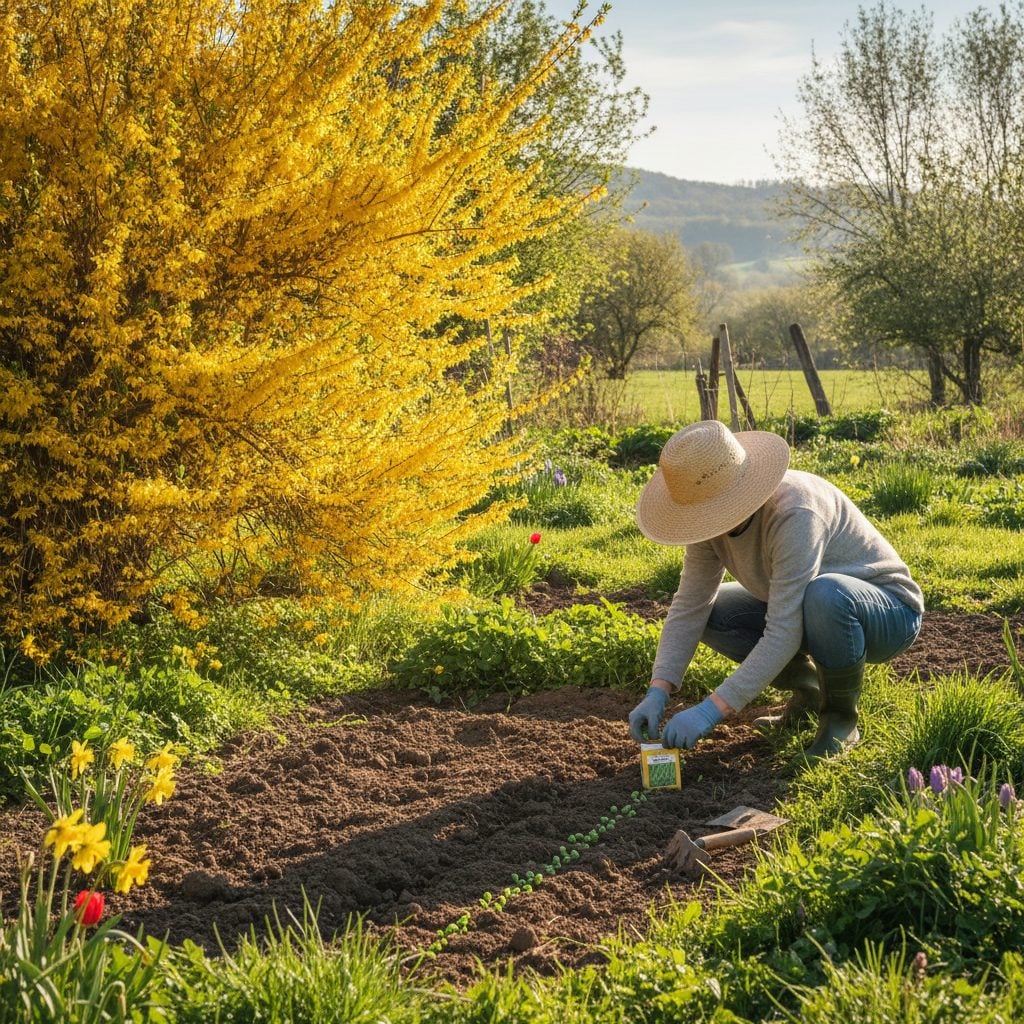
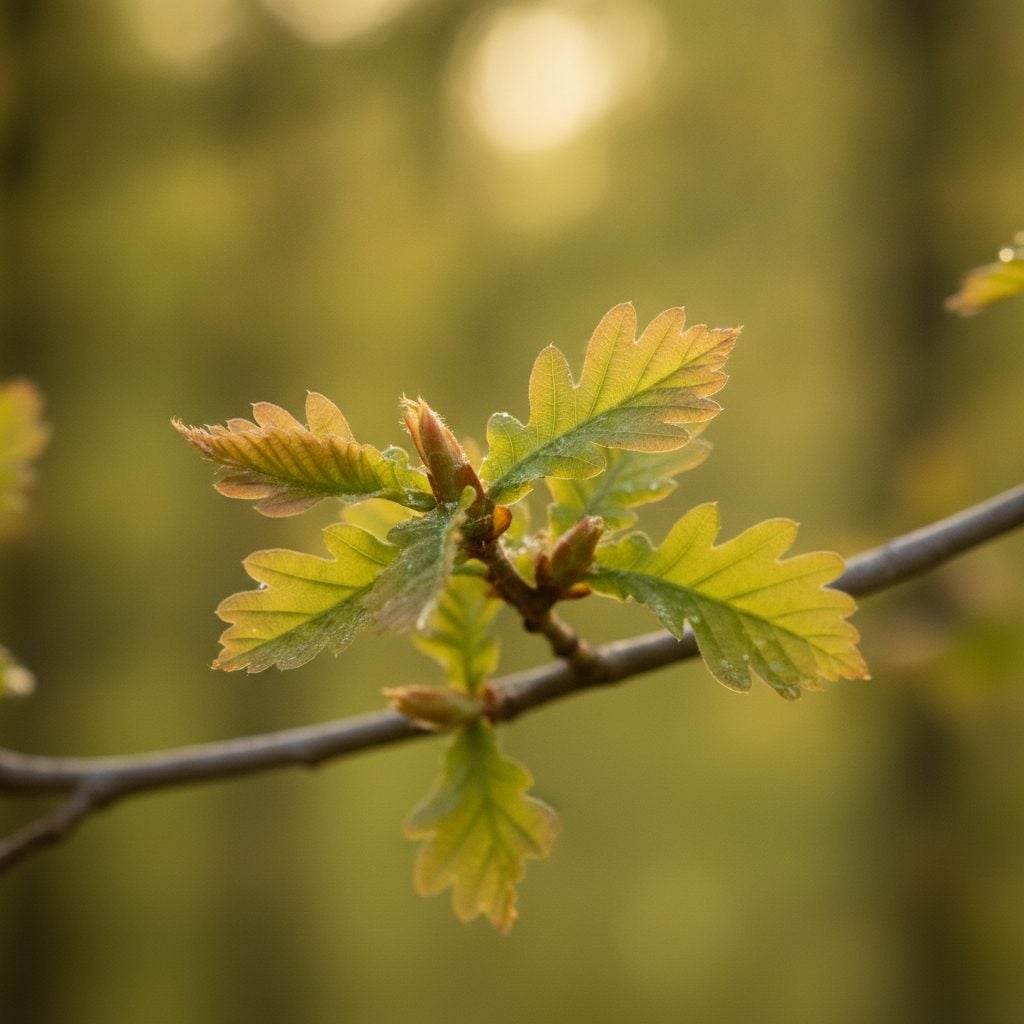
- Classic indicators: plant peas when forsythia blooms; plant beans when apple blossoms drop; plant corn when oak leaves are squirrel-ear size.
- Climate relevance: as average temperatures shift, calendar dates become less reliable. Phenology adjusts automatically.
- Tool: the Almanac’s Best Days calendar + phenology cues.
On this page
Related Almanac guides
Sources cited in this guide
Phenology is the science of timing biological events. For gardeners it is a more reliable planting calendar than the printed dates on a seed packet. When forsythia blooms in your yard, your soil is the right temperature to plant peas. When apple blossoms drop, soil is right for beans. As climate shifts these natural indicators are more reliable year over year than any calendar date. This guide is the classic indicators, the science behind them, and how to start using phenology in your own garden.
The Classic Phenology Planting Indicators
Per UMN Extension’s phenology guidance and the USA National Phenology Network.
- Forsythia in bloom: plant peas, lettuce, spinach, kale, radishes. Soil 45 F+.
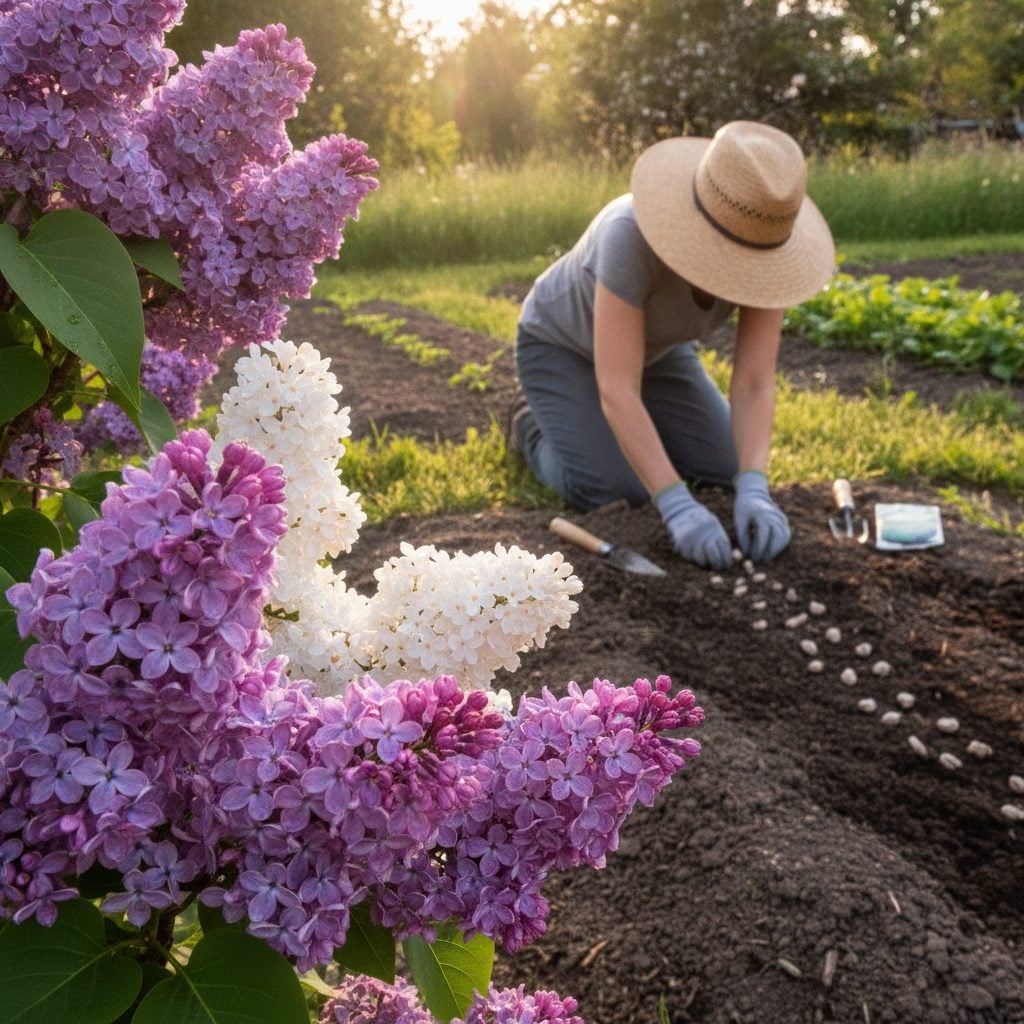
- Lilacs in full bloom: plant bush beans, cucumbers, summer squash. Soil 55 F+.
- Apple blossoms drop: plant pole beans, brassicas can go out. Soil 60 F+.
- Oak leaves squirrel-ear size: plant sweet corn. Soil 60 to 65 F.
- Daylily first flower: plant tomatoes, peppers, eggplant safely. Soil 65 F+.
- Dandelions bloom: plant cool-season crops (peas, radishes).
- Robins arrive in spring: within 2 weeks soil will be ready for cool-season planting.
Why Phenology Beats the Calendar
Per USDA climate-adapted planting research.
- Calendar dates are based on historical averages. They were calibrated to 1950 to 1980 climate norms, which no longer apply uniformly.
- Phenology responds to real conditions. A plant or animal in your yard responded to your specific temperature, humidity, and daylight, not a national average.
- Regional variation is built in. Forsythia blooms a month earlier in zone 8 than zone 5; phenology automatically accounts for that.
- Climate adaptation. As average spring temperatures shift earlier or later, calendar dates become less reliable. Phenology adjusts automatically year over year.
Phenology: Lore, Observation, and Modern Relevance (Detail)
Below are the original sections on phenology as lore vs observation, taking cues from nature, and how climate changes affect phenology.
Lore or Observation?
People have been using such phenomena or “indicators” since ancient times. Known as phenophases, they are a visible stage in a plant’s or animal’s life cycle. If you’ve ever gardened according to adages such as “plant corn when oak leaves are as big as squirrels’ ears,” you’ve been practicing phenology. Although it may seem like folklore, it’s based on people’s observations and records of natural phenomena over several centuries and around the world, which is how these adages developed. (Read more adages about weather and nature.)
Perhaps most famously, Henry David Thoreau observed nature while walking each day and then made meticulous notes of what he had seen. By doing so over many years, he created a key historic record of when leaves emerged, birds migrated, and flowers bloomed. His journals are an essential environmental tool used by scientists to this day. Over time, Thoreau and countless other observers developed descriptions of nature’s indicators that are now a part of books, “farmers’ wisdom,” folklore, and journals about farming and gardening, as well as birding, entomology, and more.
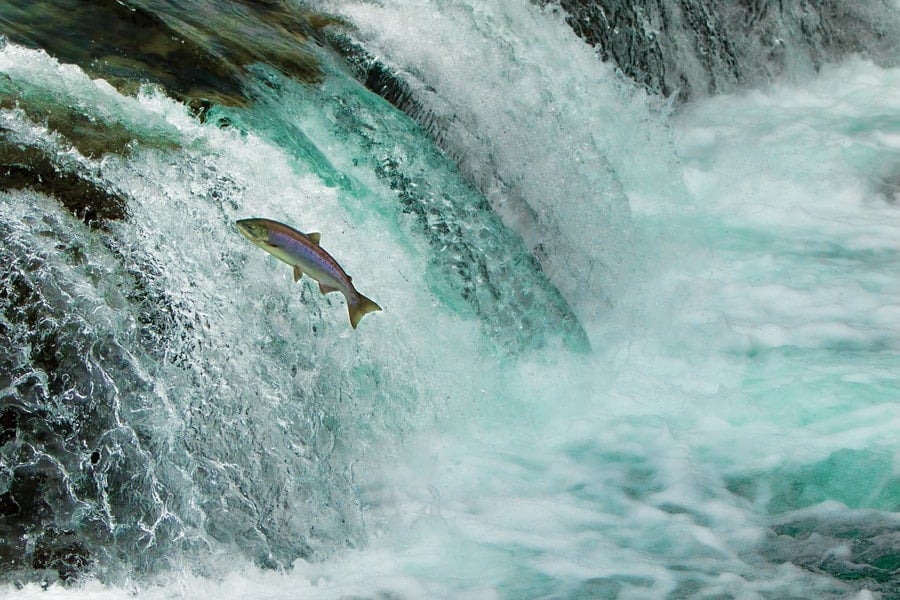
Nature’s timing is exquisite. By the time birds lay their eggs, for example, shrubs and trees have leafed out enough so there’s cover from predators. By the time fish return to their spawning waters, insect larvae have hatched so there’s a ready food supply. Using phenology, relying on nature’s indicators rather than a set date on a calendar, may be the best way to triumph in the garden because it’s watching, learning, and working with nature rather than using other guides that are less connected to nature.
Taking Cues from Nature
Effective phenology for gardening is ultimately a homegrown activity because it relies on local indicators to help you determine when to plant various crops, when to undertake different garden chores, and when to anticipate the arrival of insects and other pests. It makes sense because indicators in the Southwest won’t necessarily work in New England. Therefore, phenological information is not one size fits all.
You can get information for your area at regional botanical gardens, cooperative extension services, environmental organizations, garden clubs, nature conservancies, plant stores and nurseries, and universities with agriculture programs. Master gardeners and master naturalists are also great resources. Phenology is also open to some interpretation, which makes what you observe, track, and record about the natural phenomena right around you the very best way to get the most beneficial information for your garden.
Examples of using indicators or phenophases include planting when the spring peepers begin peeping; treating the lawn for crabgrass when the forsythia is blooming; and ending the hunt for morel mushrooms once the dogwoods stop blooming. Some plants are considered indicator plants, and certain ones seem to do a lot of the heavy lifting. Lilacs and maples, for example, provide a lot of information because they grow in so many parts of the US. In addition, lilacs were tracked in the 1950s as part of a US Department of Agriculture-sponsored phenology observation network. Here are just some of the lilac and maple indicators:
- When lilac leaves are the size of a mouse’s ear, sow peas, lettuce, and other cool-weather crops.
- Around the time purple lilac blooms, grasshopper eggs hatch (See if grasshoppers are good or bad for your garden.)
- When lilac is in full bloom, plant beans.
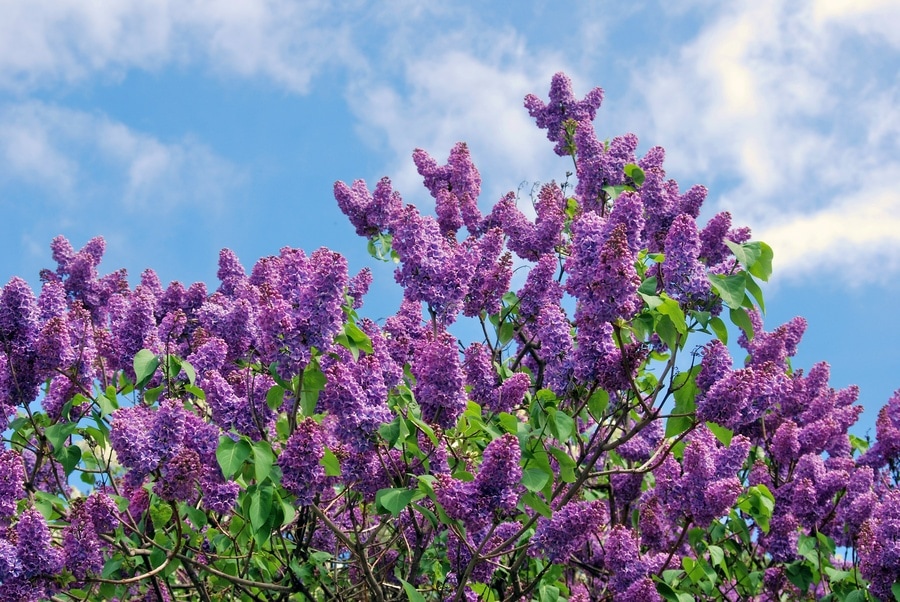
- Once lilac flowers have faded, sow squash and cucumbers.
- When maple leaves begin to unfold, plant perennials.
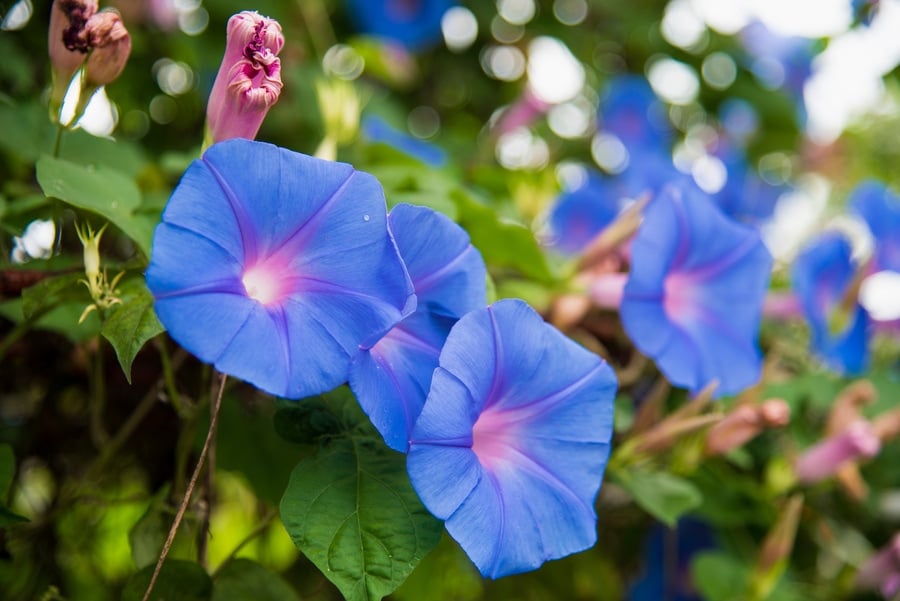
- When maple leaves reach full size, sow morning glories.
Changes in Climate Make Phenology More Important
If phenology deals with the relations between climate and recurring biological phenomena, then how does climate, and especially climate change, factor in? Climate refers to the average weather conditions, such as temperature and rainfall, of a place. Climate change is a significant shift in the average conditions over a long period of time, such as places becoming warmer or drier. The longer period of time is what sets climate change apart from variations in weather conditions. Global warming, the rise in the global average temperature, is one aspect of climate change, and there are many others including spring events occurring earlier and fall events happening later; rising sea levels; and ice melting at faster rates in Greenland, Antarctica, and the Arctic. Changes in flower and plant blooming times, that is, changes in phenophases, is yet another aspect.
Climate change has made phenology more valuable than ever before, because phenology is so sensitive to changes in the climate. (At times, phenology even responds to changes in the weather.) Climatologists and other scientists are studying phenology as a key way to track how the timing of phenological events is changing over longer time periods, as climate conditions change.
A leading initiative in this effort is the USA National Phenology Network (USA-NPN), a national-scale monitoring and research partnership of government agencies, nonprofits, educators, researchers, and citizen scientists. According to USA-NPN, changes in phenology are the fingerprints of climate change.
A key project of USA-NPN is Nature’s Notebook in which professional and citizen scientists record long-term observations of animal and plant life stages. This is a massive undertaking and volunteers are needed. As you observe what’s happening right around you and keep track of it in your own gardening log, you may also want to participate in Nature’s Notebook. By doing so, you’ll be helping your garden and the planet at the same time.
As it turns out, nature’s schedule is still reliable, but not according to set dates on the calendar or timing that has worked in the past. The seasonal patterns and weather conditions that could be relied on are shifting. Nature continues to provide cues, but as the climates changes, so do those cues. By being observant and aware of when biological events are occurring and then acting in accordance with them is the best way to achieve ultimate gardening success.
Do you already garden according phenology?
What are some signs in nature that you look for?
Let us know in the comments below!
Phenology Planting FAQ
What is phenology?
The scientific study of recurring biological events (bloom, leaf-out, migration, emergence) and how they relate to climate and the environment. For gardeners it is a more reliable planting calendar than calendar dates, because natural events track actual local conditions.
What does it mean to plant by nature’s calendar?
Use observable biological signals (forsythia bloom, apple blossom drop, dandelion flowering, robin arrival) to time planting rather than printed calendar dates. The natural signals respond to actual soil and air temperature, so they reliably indicate the right planting window for your specific location.
When should I plant peas using phenology?
When forsythia is in full bloom in your yard. This indicates soil temperature has reached 45 F, the minimum for pea germination. Earlier than that and seeds rot. Forsythia is the most-cited pea-planting indicator.
When should I plant tomatoes by nature’s signals?
When daylily plants produce their first flowers and the soil has been consistently above 65 F. This is later than most gardeners would plant by date alone, but tomatoes planted into cold soil stall for weeks before recovering.
Is phenology accurate?
More accurate than calendar dates for most regional gardens. The classic indicators have been tracked for centuries and consistently align with the soil and air temperatures the target crops need. Phenology is also more flexible to climate change than printed calendar dates.


Jean Grigsby
Jean Grigsby is a writer, who lives on the banks of the Kennebec River in Chelsea, Maine. She enjoys working out, reading, and running her marketing and public relations business, The Write Approach. Her article, Where Are All The Birds? appears in the 2021 Farmers' Almanac.
- Jean Grigsby

- Jean Grigsby
- Jean Grigsby

- Jean Grigsby

I live in Newfoundland, Canada. A good indicator for me has been to plant potatoes when tree swallows return to nest.
no
The old corn farmers in north Alabama, south central Tennessee say plant corn when the dogwoods bloom. I’ve noticed some of the varieties in yards bloom earlier, so I always wait for the ones in the woods to bloom.
Thanks David. Nature truly is an amazing teacher!
Bradford pears look very similar to dogwood, but I believe it blooms first (at least in my yard), so that might be what you’re seeing.
My grampa always said that you plant potatoes when the dogwood trees bloom.
So fun to hear these wisdoms. Thank you for sharing Ellen.