

Winter Weather Lore and Wasps’ Nests
More signs from nature of what we can expect for the winter ahead include how the wasps are building their nests. What are they doing in your back yard?
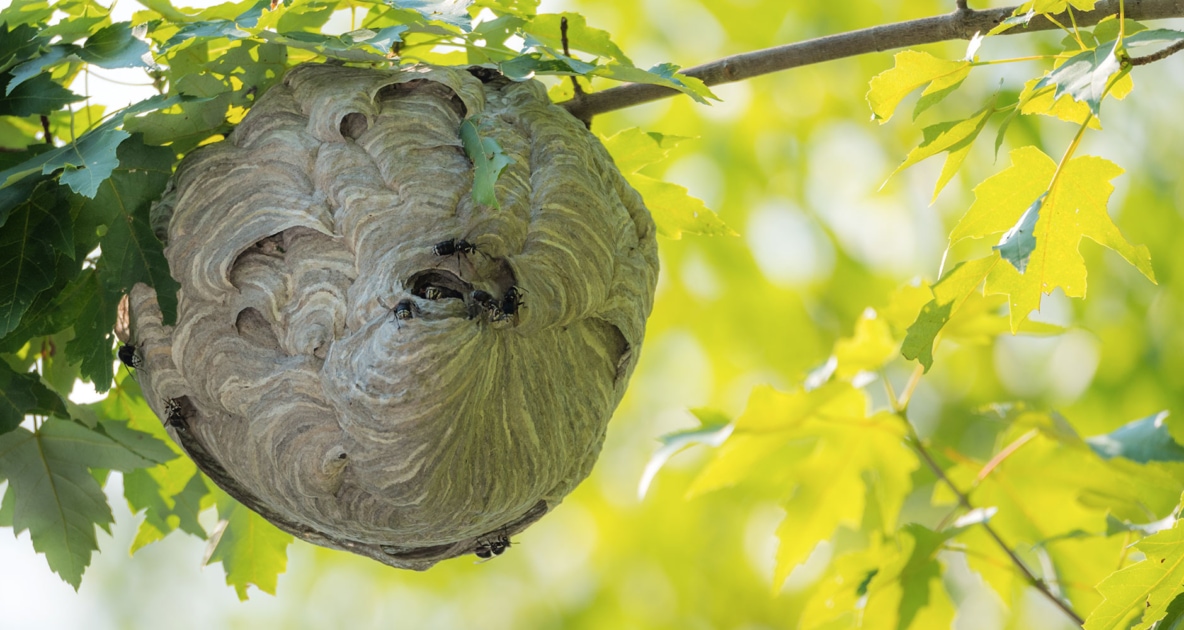
Quick Reference
- The rule: See how high the hornet’s nest, twill tell how high the snow will rest.
- Translation: Low nest = light snow. High nest = heavy snow.
- Where it comes from: Old New England and Appalachian farming lore. The Farmers’ Almanac facilities manager swears by it in Maine.
- Status: Folklore, not part of our official prediction formula. Treat as one signal among many.
- Companion read: Our 20 Signs of a Hard Winter and Woolly Bear caterpillar.
A couple of years ago, the facilities manager here at Farmers’ Almanac mentioned that he was sure we would be having a snowy winter here in Maine. When asked how he knew, he mentioned the height of wasps’ nests he was seeing. In his travels around the property, he spotted a nest built high in the eaves of one of the buildings.
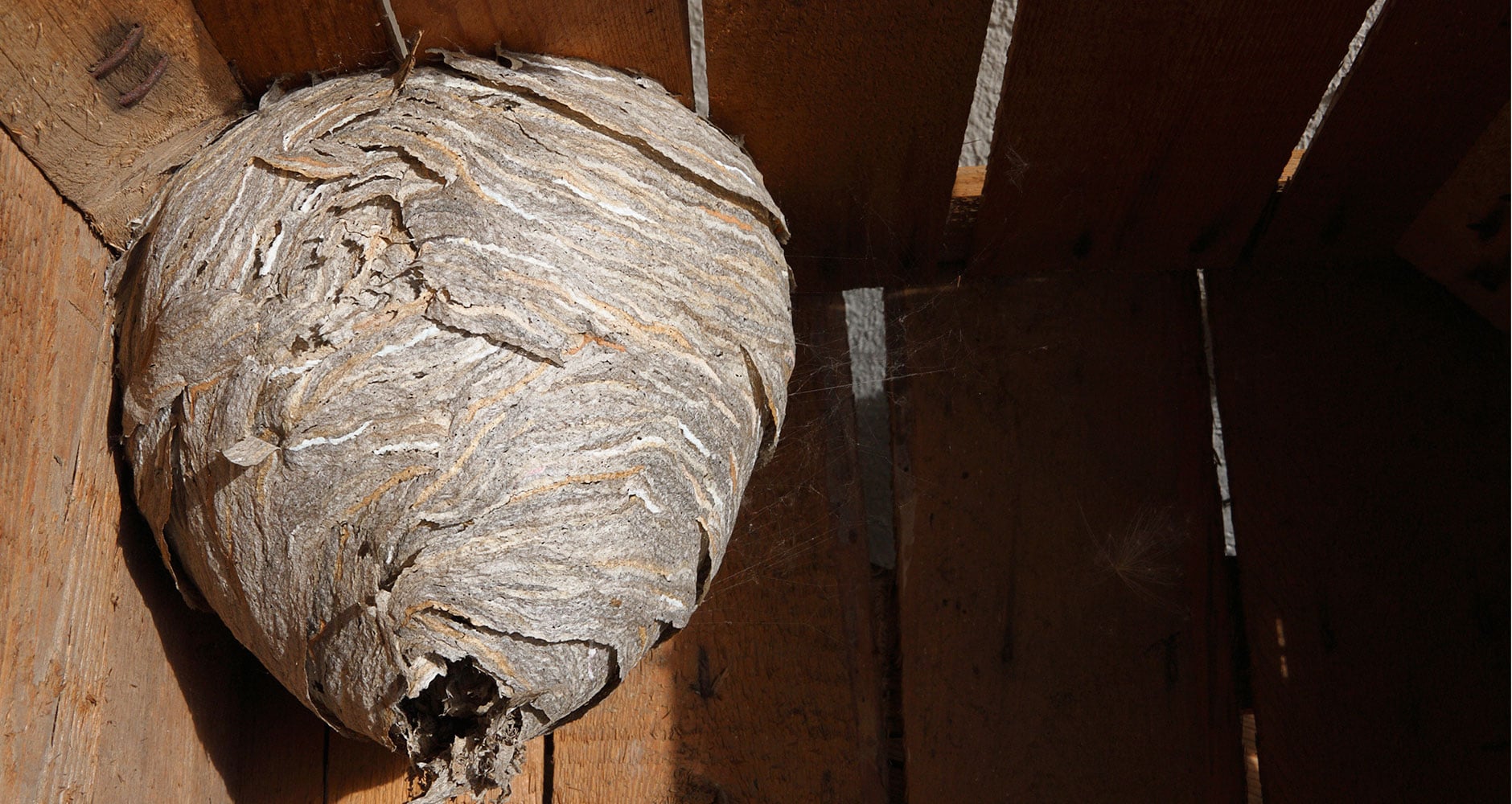
So, in addition to the signs of a hard winter shared we can add the height of a wasp nest as another sign from nature to watch.

What Does Weather Lore Say About Wasps’ Nests?
Weather lore tells us: If you see a wasps’ nest built low to the ground, expect little snow. If you see one built high, expect a lot of snow. The official weather lore rhyme goes like this:
See how high the hornet’s nest, twill tell how high the snow will rest.
While we do not use wasps’ nests in our formula to predict the weather, we do enjoy the folklore and paying attention to how our ancestors prepared for the winter ahead.
What the Science Says
The folklore is older than the science. The science is just catching up. Wasps and hornets build their nests in late spring and early summer, then expand them through the fall. Scientists who study Vespidae behavior point to several real factors that influence how high a nest sits.
- Predator pressure. Black bears, raccoons, and skunks raid low nests. In years with high mammal activity, surviving colonies are the ones that built up high.
- Spring weather. A late, wet spring keeps the queen close to sheltered structures. A dry warm spring lets her travel and choose higher sites.
- Local food supply. Plentiful insect prey lets a colony grow large and tall. Lean years produce smaller, lower nests.
- Snow load instinct. The folklore claim is that wasps “know” when a deep snow is coming and build above it. Mainstream entomologists view this as folklore. The data shows the height correlation is weak when controlled for habitat.
The National Weather Service publishes seasonal snowfall outlooks for every U.S. region. Pair the wasp-nest read with the official outlook and the lore becomes one column in a larger forecast spreadsheet, exactly the way our great-grandparents used it.
Other Animal Signs of a Hard Winter
| Sign | What it claims |
|---|---|
| High wasp nest | Heavy snowfall |
| Wide brown band on a woolly bear caterpillar | Mild winter |
| Heavy acorn crop | Cold, snowy winter ahead |
| Squirrels gathering early | Early, hard winter |
| Thicker-than-usual onion skins | Tough winter |
| Persimmon seed shape (knife, fork, spoon) | See our persimmon-seed read |
What about where you live? Have you seen wasps’ nests built up high or low to the ground?
Read more about wasps and how to deter them.

Frequently Asked Questions
Does the height of a wasp nest really predict snowfall?
It is folklore, not a peer-reviewed forecast. The rhyme says low means light snow, high means heavy. Some old-timers swear by it. Entomologists point to predator pressure, spring weather, and food supply as the actual drivers of nest height.
What is the rhyme?
“See how high the hornet’s nest, twill tell how high the snow will rest.” Old New England farming lore.
Does the Farmers’ Almanac use wasp nests in its forecast?
No. Our long-range forecast is based on a 200-year-old proprietary mathematical formula that factors in sunspot activity, planetary positions, and tidal action. We enjoy the folklore but do not weight it.
Why might wasps actually build nests at different heights?
Predator pressure pushes nests up out of the reach of bears, raccoons, and skunks. Wet spring weather keeps queens close to sheltered structures. Plentiful summer prey lets a colony grow large enough to need tall real estate.
When are wasp nests built?
A queen starts the nest in late spring. The colony expands through the summer and reaches peak size in late September. By winter, only the next year’s queens survive, and the nest is abandoned.
What other animal signs predict winter?
The woolly bear caterpillar’s brown band is the most famous. Heavy acorn crops, early-gathering squirrels, thick onion skins, and persimmon-seed shape are all in the lore. Each is one signal, not a forecast.
Where can I check the official winter outlook?
The National Weather Service publishes seasonal snowfall outlooks each fall. Pair them with our long-range forecast and the local lore for the fullest picture.
Tell Us
Spotted a nest this fall? Tell us how high it sits and what your winter looked like. For more winter signs, see our Woolly Bear caterpillar and persimmon seed entries.


Peter Geiger
Peter Geiger is the Editor Emeritus of the Farmers' Almanac. Read his full biography.
- Peter Geiger

- Peter Geiger
- Peter Geiger
- Peter Geiger

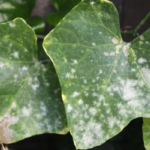



What if its built INSIDE our deck box about 5 feet off the ground? ~MAINE
The nest in my maple tree is about 20 ft off the ground.
They are in the ground what does that mean for winter
I have 2 nests within 50 yards of each other about 12′ to 15 ‘ from the ground…
I have seen more hornet nests this fall than ever before . Within a 1/4 mile of our house there are are six about twice a football size and 3 or 4 smaller ones. And they are anywhere from as low as 3 feet to 20-30 feet high in the trees.
i have seen 3 different heights of nests from trees so far i live in vt
Interesting! Be sure to watch for snowfall this winter. And remember, the saying comes from folklore, so it’s just a fun observation.
We have NONE around our farm this year, unless they are soooo high I don’t notice them. I’ll be looking. Manchester, Michigan
There is a hornets nest in my front bushes pretty close to the ground in Belvidere Illinois. I will be fascinated to see if there isn’t much snow this winter. It got shredded up by a skunk and they rebuilt it. That’s a detractor for building it so low. ?
We live in TAYMOUTH, NEW BRUNSWICK CANADA.
WEe have 2 hornets nests being built. One is on our deck behind a 4’ sign and the other is in our mailbox, 4’ off the ground.
We have one here in Marlboro, Me. It is built 40-50 feet off the ground!
’bout right for Maine!