

20 Winter Life Hacks: Best Tips to Get You Through the Season Safely
It's our mission to help make your life easier so we compiled a list of 20 of our very best tips and advice to get you through the toughest (and longest) season of the year.
Quick Reference
- Walk safer: shuffle like a penguin. Point feet slightly out, keep arms slightly wide for balance, take short steps. Broken hips from icy sidewalks send 1 million Americans to the ER every winter (National Safety Council).
- Traction on ice: non-clumping clay kitty litter under stuck tires, a fertilizer spreader loaded with sand for the walkway, or the front floor mats jammed under the tire that spins.
- Winter car kit: extra socks in the glove compartment, roll of duct tape (also a fire starter), plastic card as an emergency scraper, at least half a tank of gas at all times.
- De-icing without chemicals: rub a raw potato over your windshield the night before a freeze, sprinkle used coffee grounds on the walkway, squirt hand sanitizer into a frozen door lock.
- Cold-weather health: skip caffeine and nicotine before shoveling (both are stimulants), take shorter lukewarm showers to keep skin from cracking, wrap exposed pipes with newspaper and plastic.
- Homemade washer fluid: 8 oz high-proof vodka or isopropyl alcohol + 1 oz Castile soap + water to fill a 1-gallon jug, shake, pour into the reservoir.
Winter is a tough season for many. Days are short and cold, weather can flip in an hour, and the sidewalk you shoveled at 8 a.m. is a sheet of ice by 6 p.m. The Farmers’ Almanac has been publishing cold-weather advice since 1818, so we pulled together the 20 winter life hacks our staff, editors, and readers reach for every year. Most cost nothing. All work.
See our Extended Forecast to see what we’re predicting for winter weather.

20 Best Winter Life Hacks
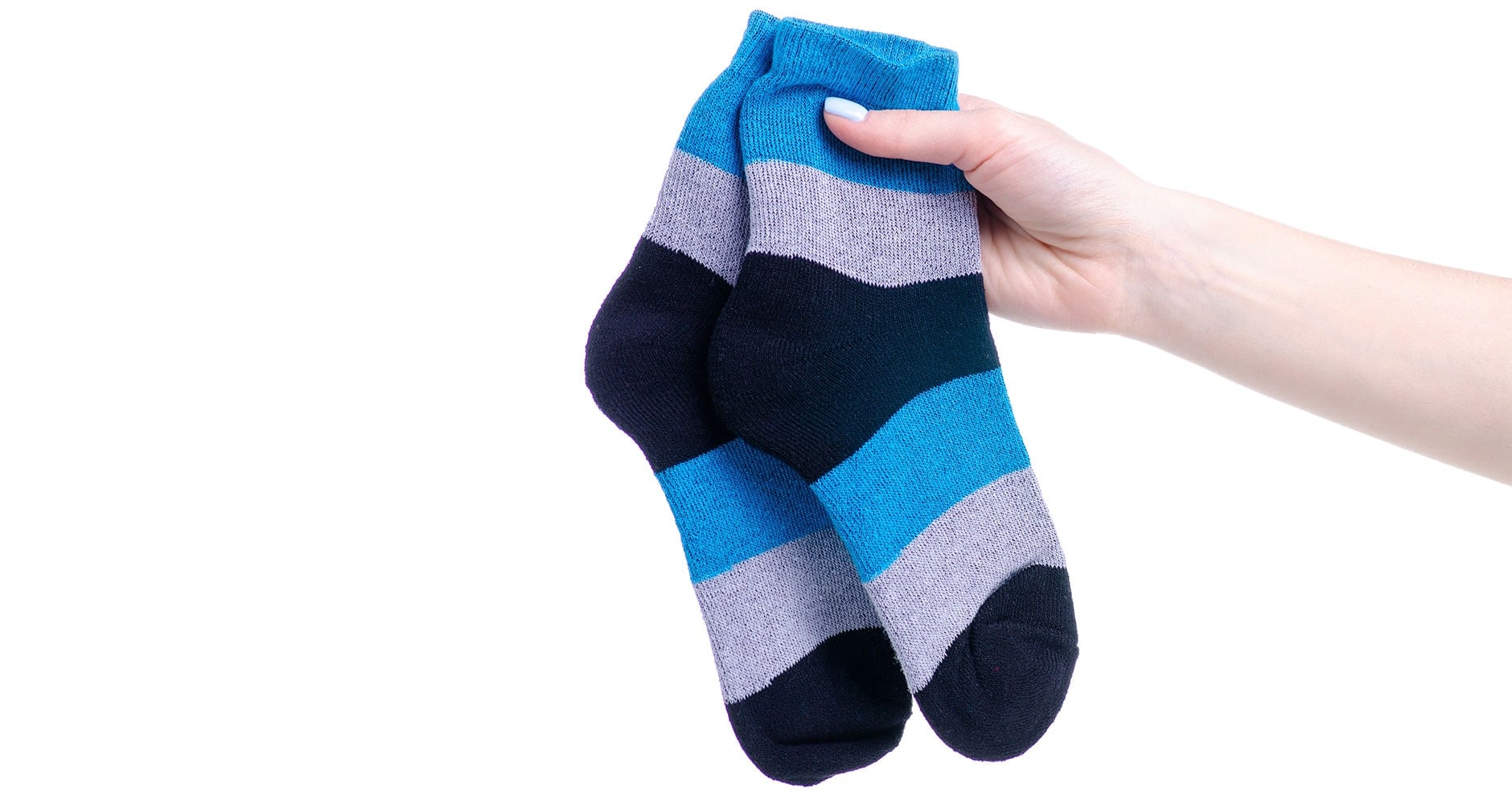
1. Socks on the Go
Pack an extra pair of socks in your car’s glove compartment. If you need to get out and shovel, or step into a slush puddle, you have dry socks to change into. Put those orphaned or mismatched socks to use too: pull them over your wiper blades overnight and the blades stay ice-free. Simple, cheap, and effective.
2. Keep a Bag of Clay Kitty Litter in Your Trunk
If your car gets stuck in deep snow or slick ice, improve traction and get moving again by sprinkling non-clumping (clay) kitty litter at the base of your tires. The extra weight in the trunk gives you a second win: better contact between tread and pavement all winter long.
3. Use a Fertilizer Spreader
Fill your fertilizer spreader with sand and walk it over the areas where you want traction. The method works on icy walkways, driveway aprons, and the last five feet of the sidewalk that always ices over first.
4. Clogged Snowblower Hack
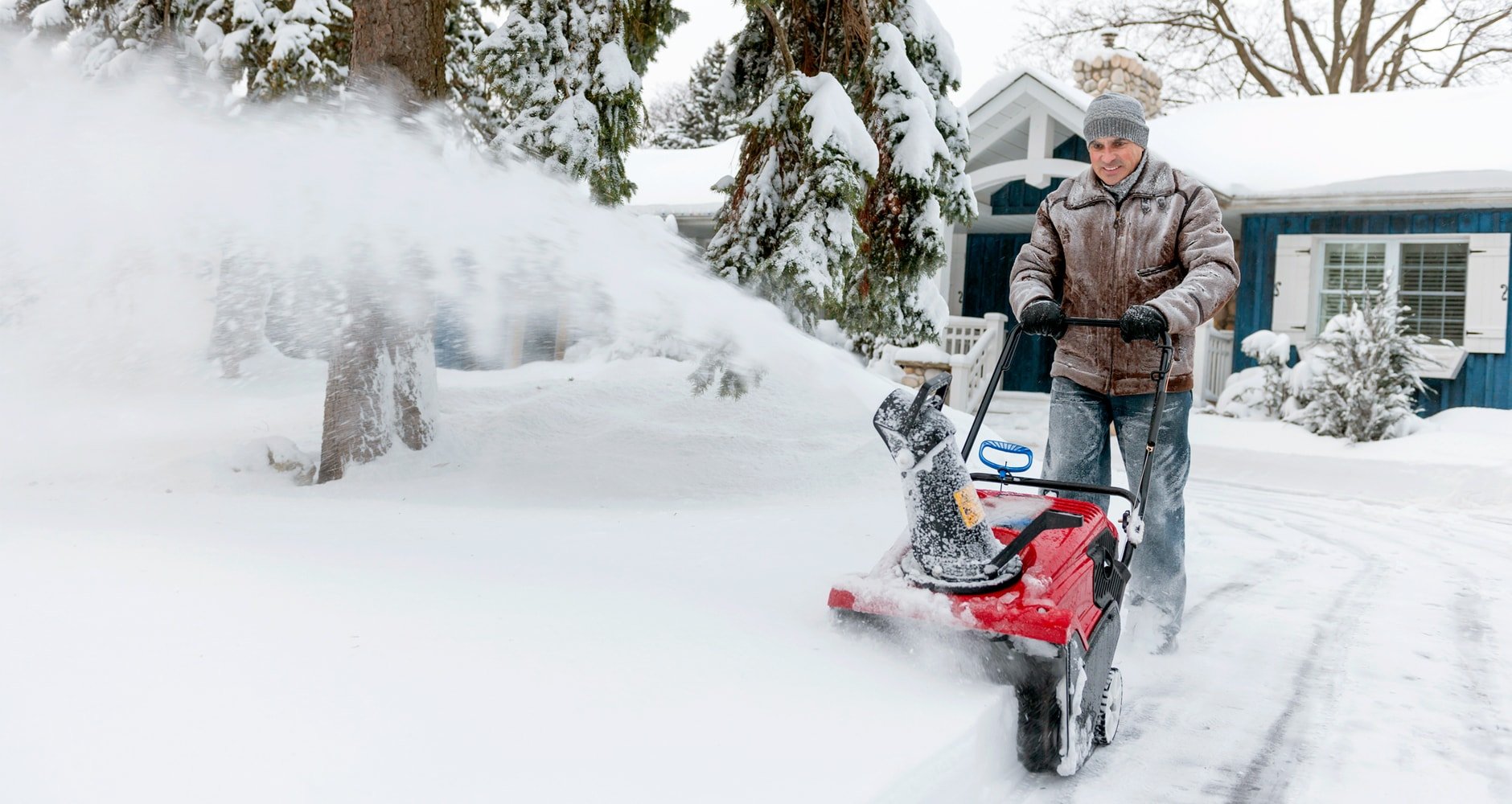
Apply cooking spray such as Pam to the snow blower’s clean and dry auger and inside the discharge chute before tackling the snowdrifts. The same trick works on a shovel and stops snow from sticking to the blade. Fewer clogs, faster clearing, less back strain.
5. Skip The Smoke and Coffee Before Shoveling
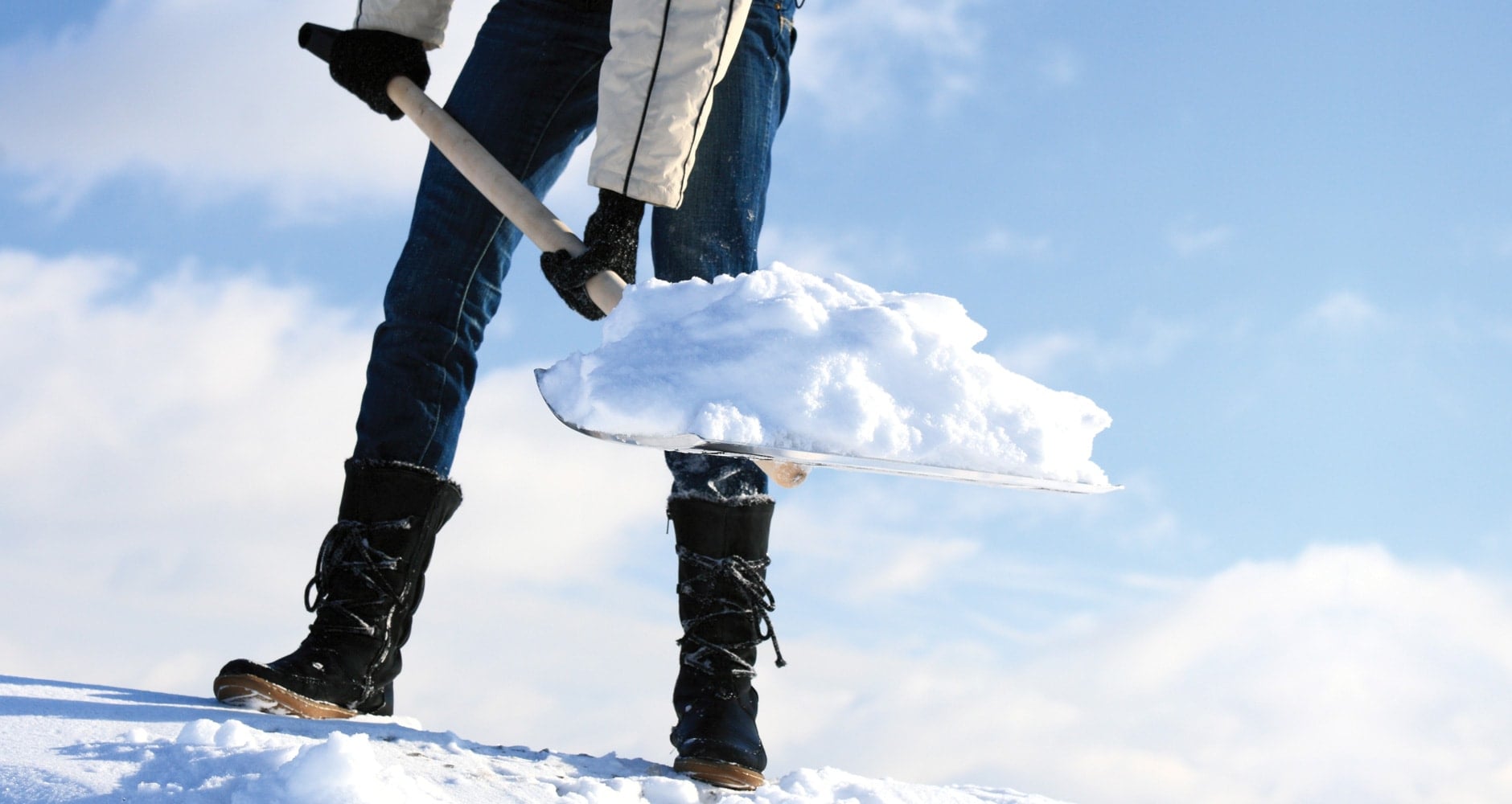
Caffeine and nicotine are stimulants and add extra stress to the heart. Snow shoveling is roughly equivalent to running on a treadmill for exertion; the American Heart Association flags cold-weather shoveling as a real cardiac risk. Warm up first, take breaks, and skip that second cup of coffee.
6. Prevent Food Spoilage In A Power Outage
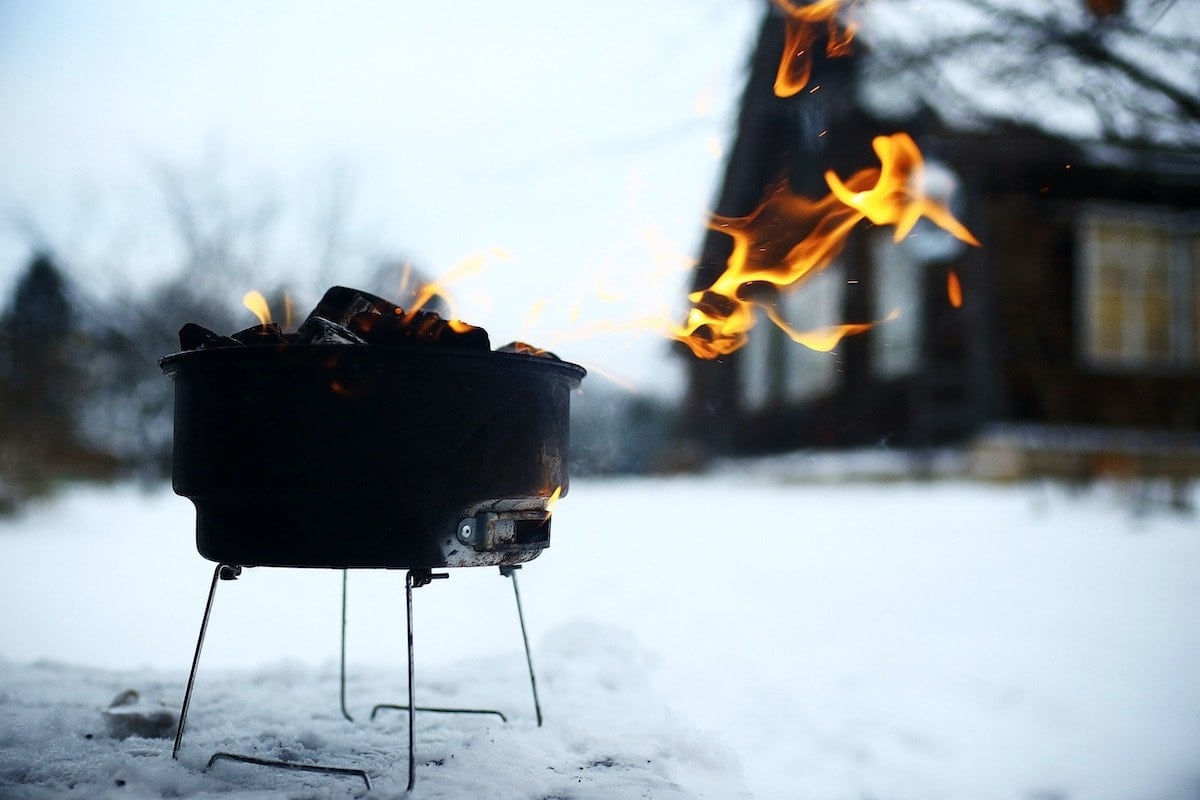
If you lose power from a winter storm, do not let food spoil in the fridge. Food stays safe for about 24 hours; after that, pack it into coolers and move it outdoors (provided it is 30 degrees F or colder). Fire up the charcoal grill to cook up anything that will not last.
7. Learn To Walk Like a Penguin
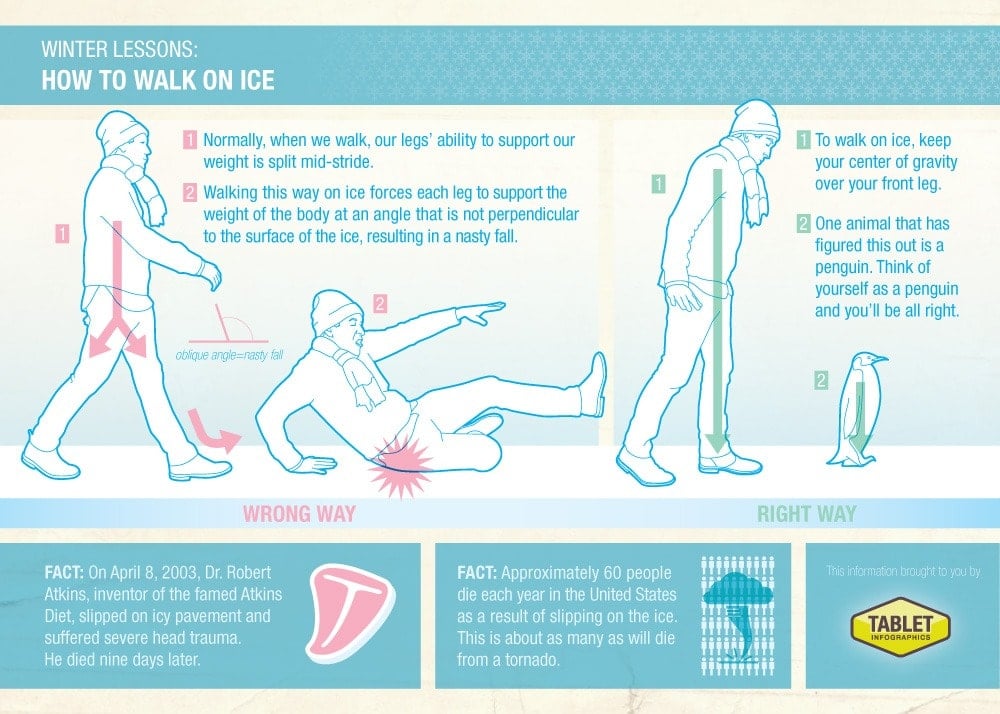
If there is one life hack for winter you should practice, this is it. Learn to walk safely on ice: walk like a penguin. Point your feet out slightly, hold your arms out to your sides, shuffle, and take short steps. See the video below for the pattern.
8. De-Ice With A Potato

On the night before freezing temperatures, rub half a potato over your car’s windshield. The sugar from the potato creates a barrier on the window that slows ice formation. In the morning, you will not have to scrape as hard; rinse and use your wipers to clear the windshield when you hit the road. You can also try these methods.
9. Gas Up
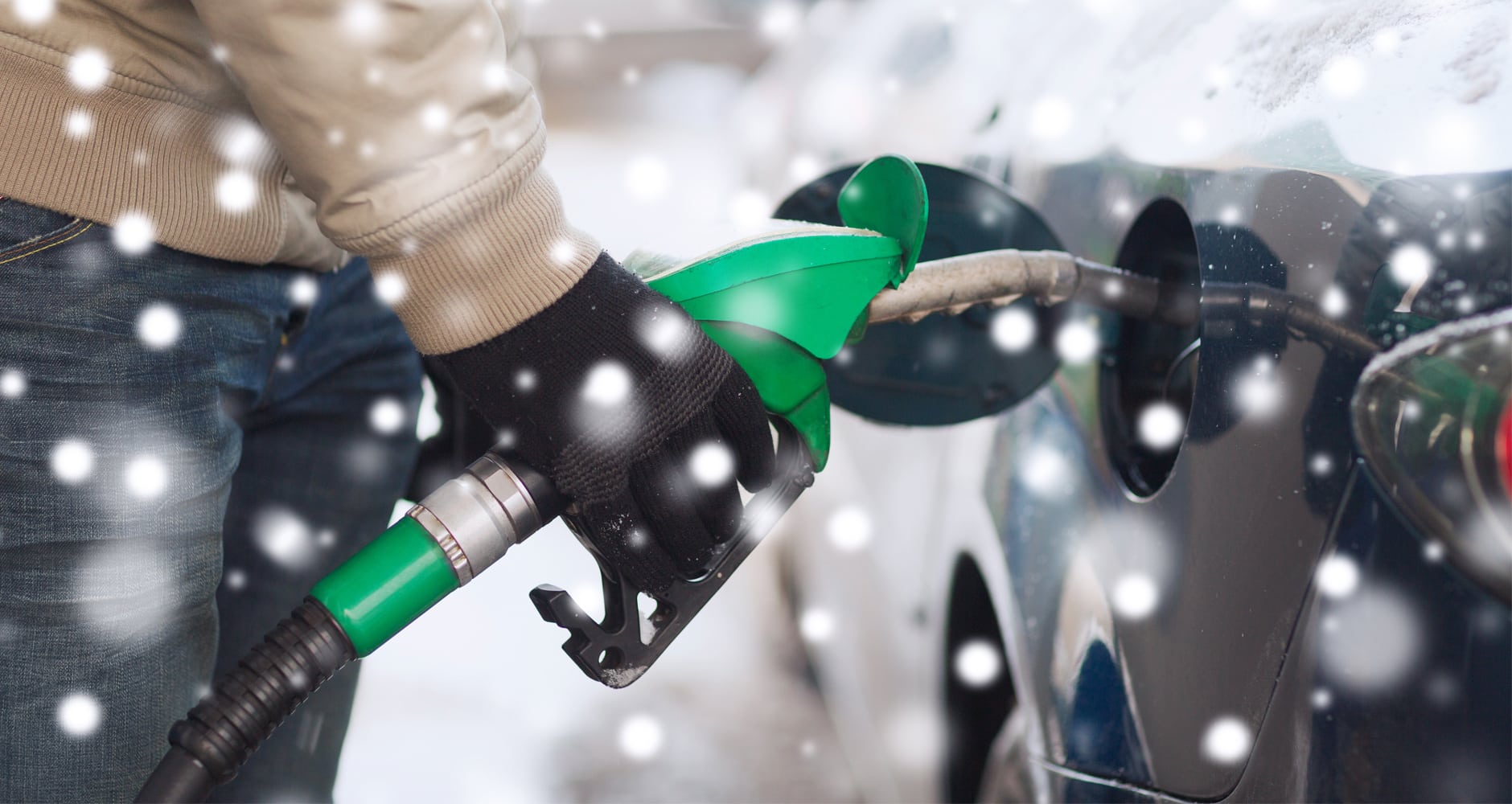
During cold weather months, keep at least half a tank of gasoline in your vehicle at all times. It prevents you from being stranded and it stops any water in the tank from freezing, which can damage the fuel pump.
10. Keep Side Mirrors Frost-Free
This car winter hack saves you time. Place plastic bags over your car mirrors at night; they will be frost-free in the morning. Reuse the same bags over and over.
11. Get Instant Traction With Your Car’s Floor Mats
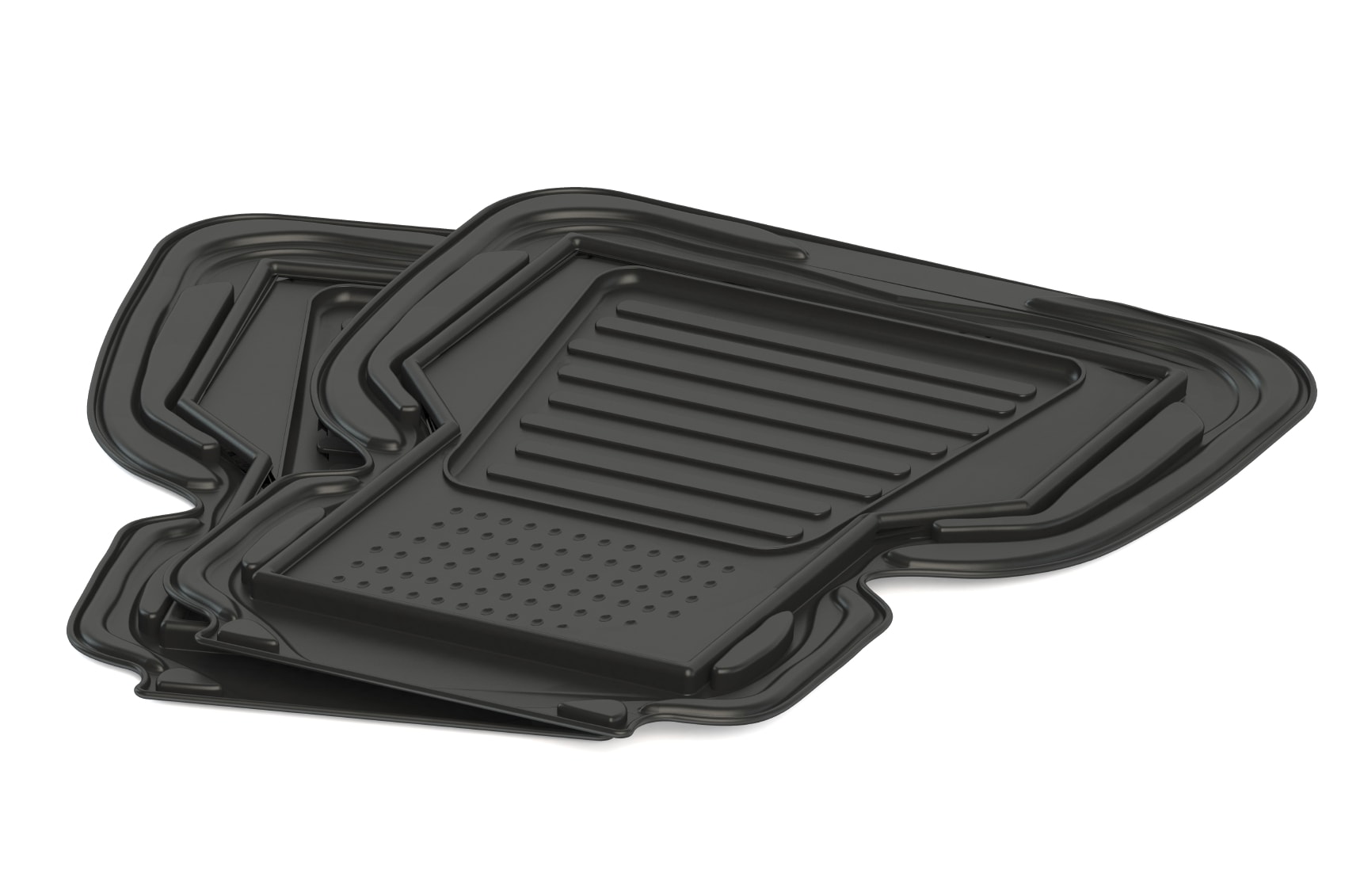
Your car’s floor mats can help you get unstuck from snowy or muddy conditions in a pinch. Place your front floor mats under the spinning tires to give you some traction. Just do not forget to retrieve them after you get moving.
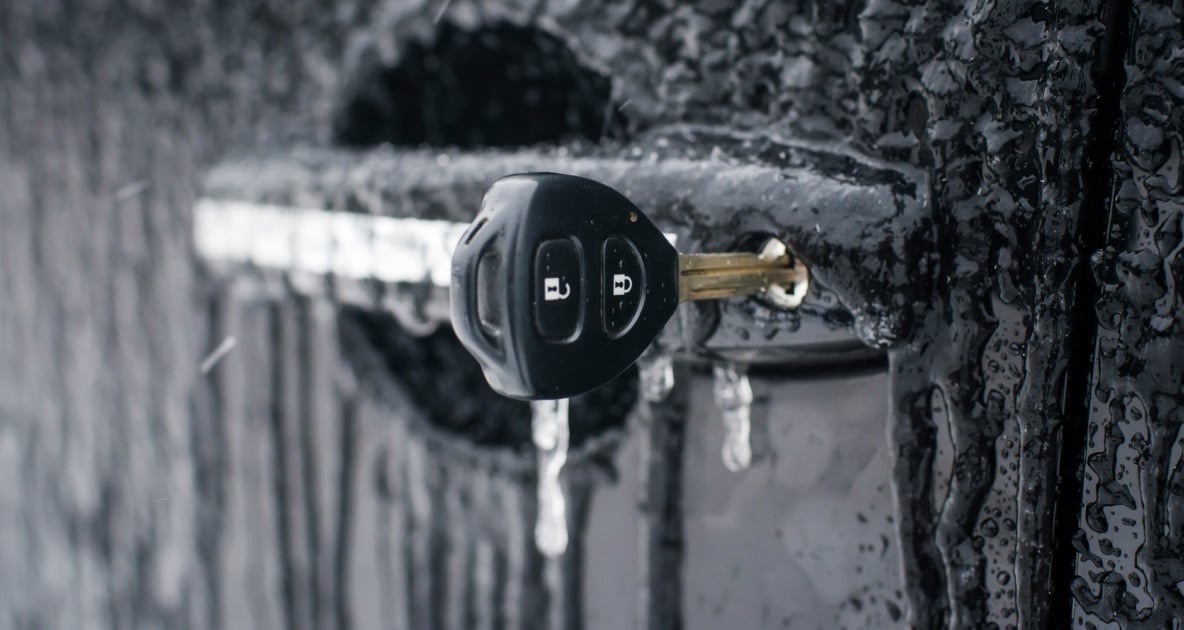
12. Unfreeze Locks With Hand Sanitizer
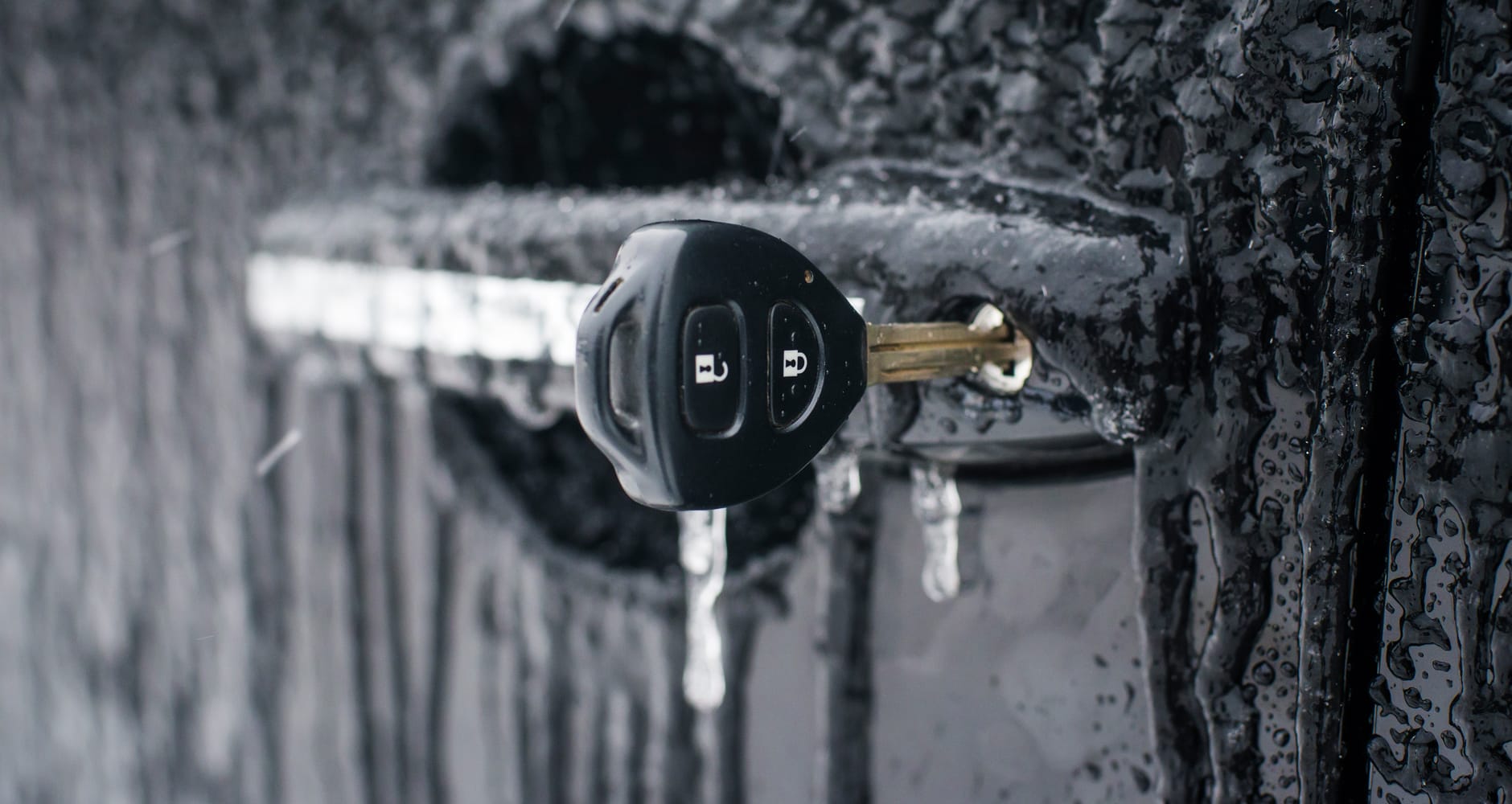
When winter brings freezing rain, this life hack saves your day. Squirt a little hand sanitizer on the lock. The isopropyl alcohol that kills germs also lowers the freezing point of water and can melt the ice inside the lock within seconds.
13. Save Your Skin

Skip the long, hot showers, which dry out skin. Take a lukewarm shower, for a shorter duration. The American Academy of Dermatology recommends water no hotter than lukewarm and moisturizing within 3 minutes of stepping out.
14. Easy Ice Scraper
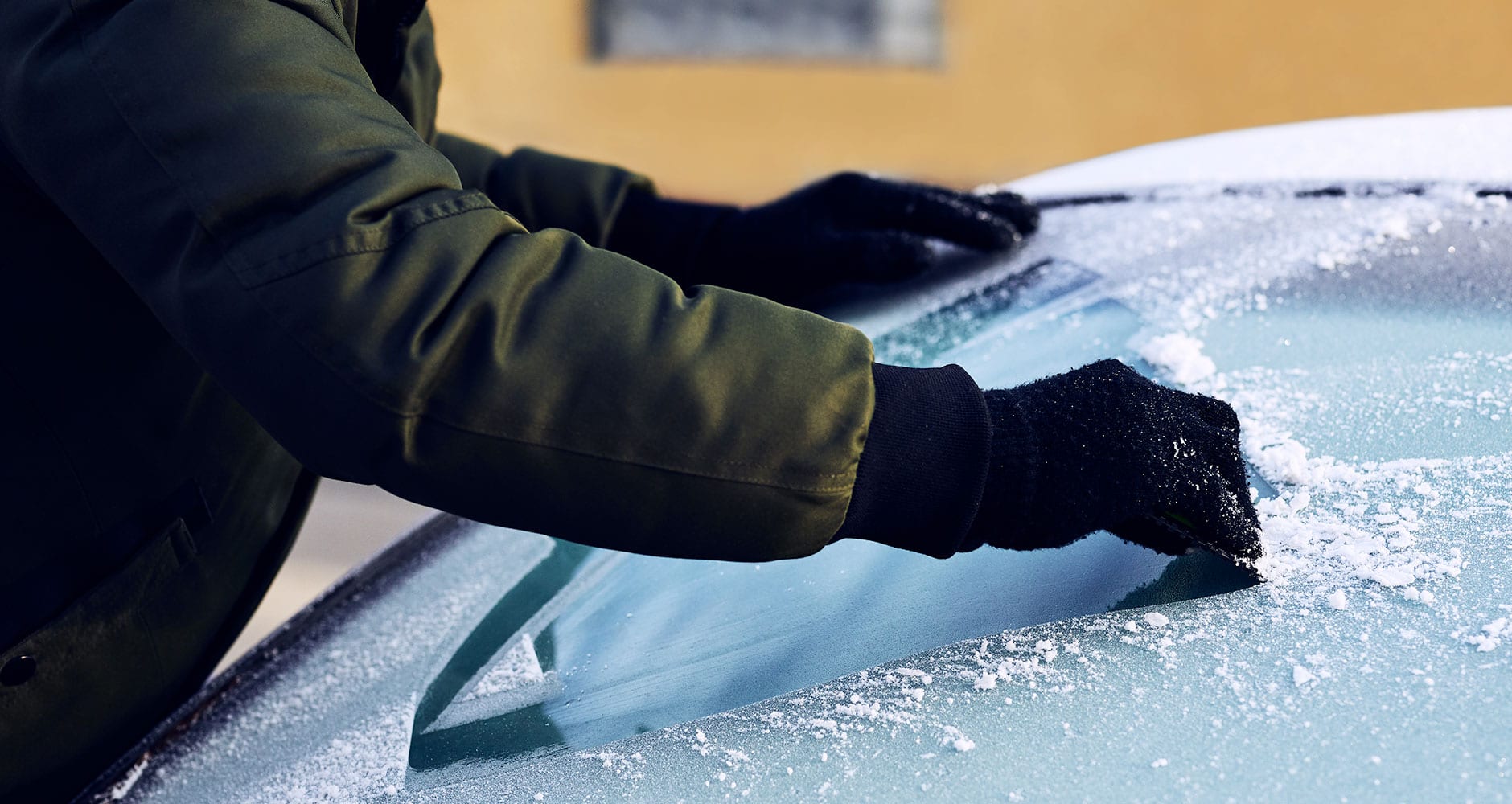
A plastic card, such as an old gift card or loyalty card from your wallet, works in a pinch. (Do not use credit cards. You can damage them.)
15. Keep A Roll of Duct Tape In The Car
Duct tape fixes almost anything, and it doubles as an emergency fire starter. Duct tape is very flammable and gets a fire going fast when you need one.
16. De-Ice Walkways With Used Coffee Grounds
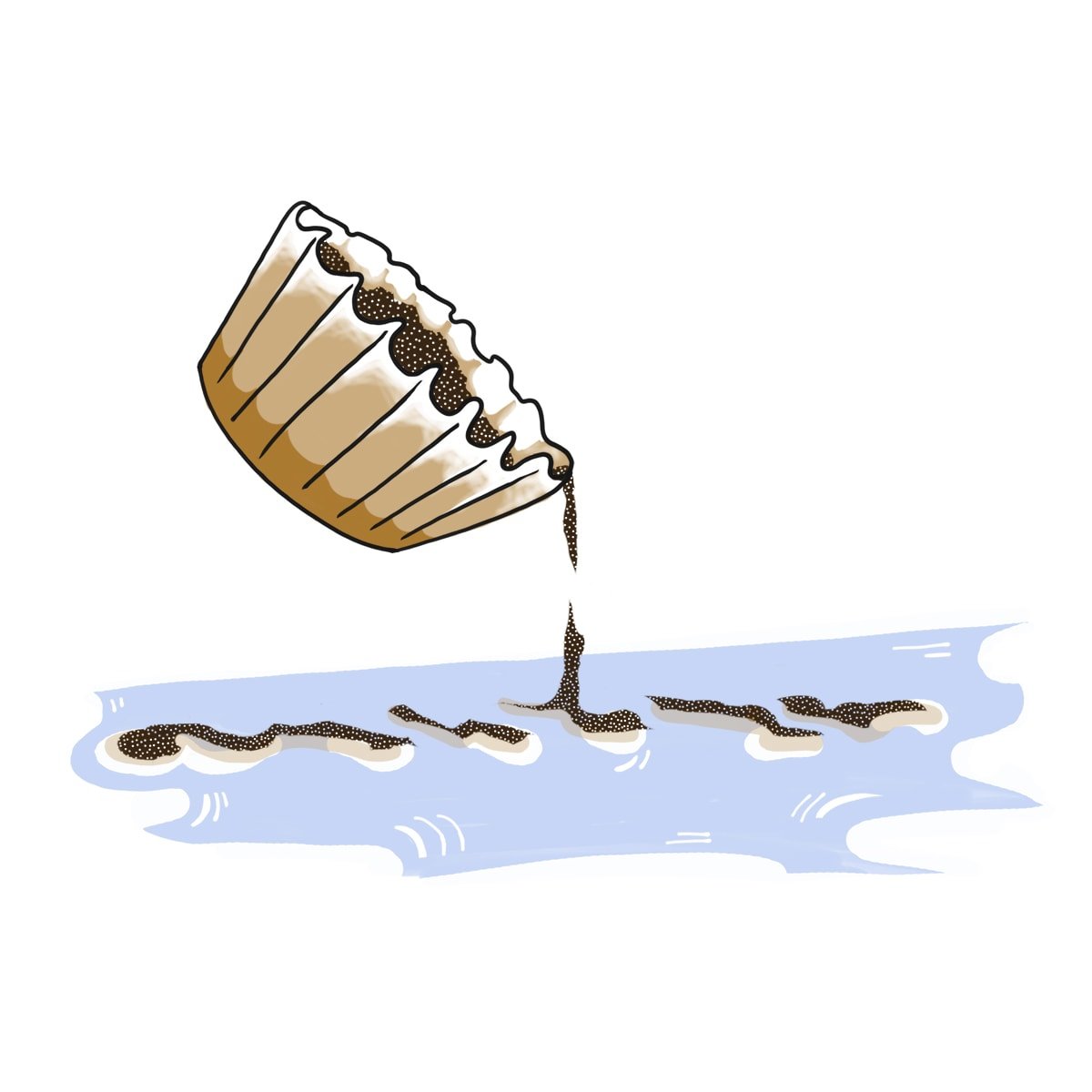
Sprinkle leftover coffee grounds on your freshly shoveled walk or driveway to help melt the ice. It is a natural, environmentally friendly way to add traction underfoot. Wipe your feet as usual before heading inside.
17. Keep Pipes From Freezing
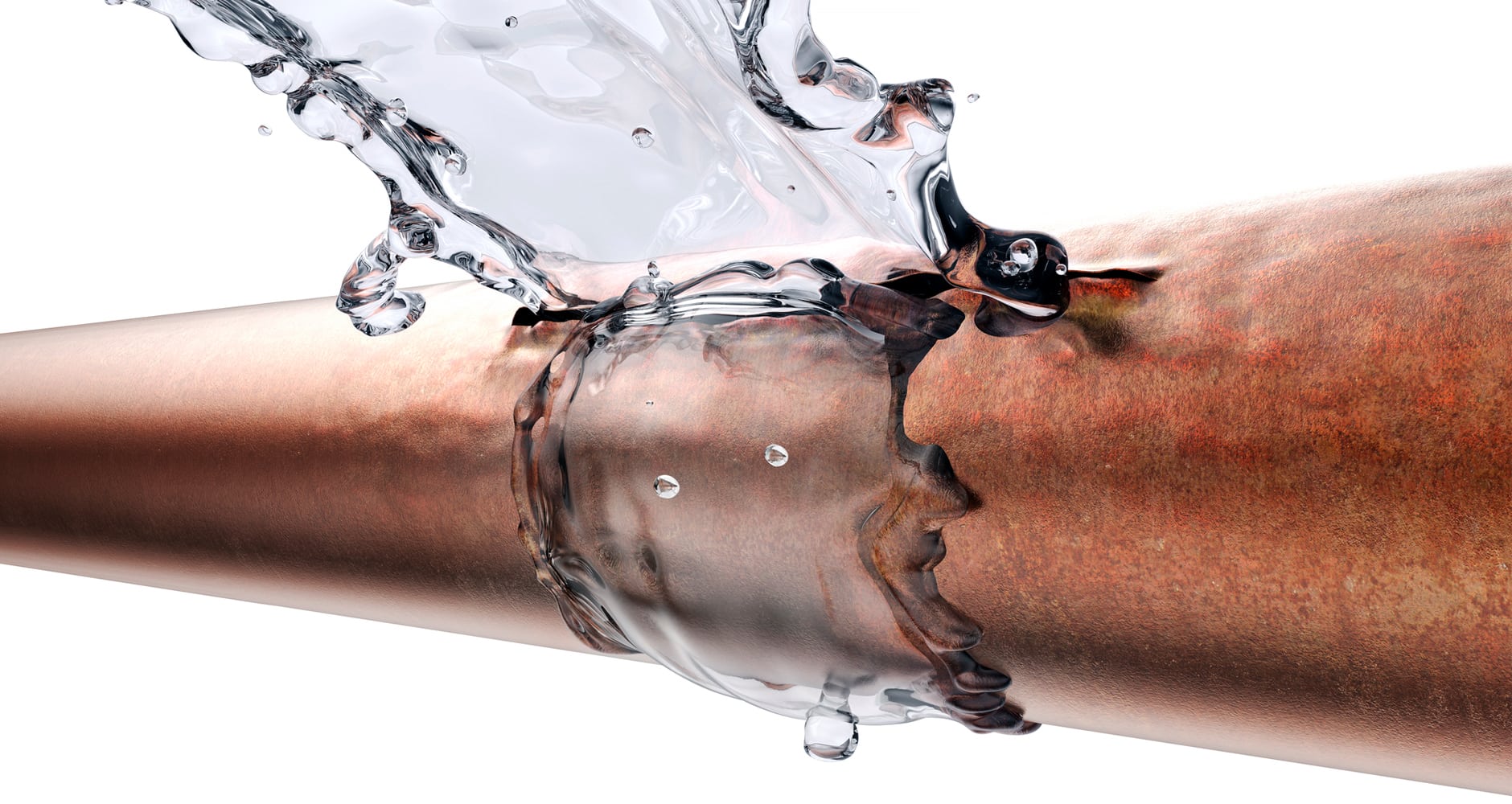
Wrap exposed pipes in insulation or layers of newspaper, then cover the newspaper with plastic to keep out moisture. On the coldest nights, let a faucet drip; running water freezes much more slowly than still water.
18. Park Your Car Facing The Sun
Use the sun by parking so your car faces east or south. Icy windshields heat up quicker and light frosts melt on their own, even during a cold winter morning. During the day, the sun keeps your car just a little warmer than a shaded spot.
19. Close Your Fireplace Flue
Fireplaces heat up a home well when they are lit. When they are not in use, close the flue so cool air does not draft in. (Open it again before you light a fire.) Some fireplaces now have an automatic damper, so check yours.
20. Homemade Winter Windshield Washer Fluid
Did you know that high-proof vodka or isopropyl alcohol does not freeze? Add 8 ounces of the alcohol, an ounce of Castile liquid soap, and enough water to fill a clean 1-gallon container. Shake to mix, then add directly to your car’s wiper fluid reservoir.
The Numbers Behind Winter Safety
The National Weather Service attributes over 300 deaths a year in the US to hypothermia and cold exposure. The Bureau of Labor Statistics counts more than 20,000 winter workplace injuries a year from slips on ice or snow. The Consumer Product Safety Commission attributes roughly 11,500 snow-shoveling ER visits every winter, with cardiac events accounting for the majority of fatal outcomes. The through-line: cold weather kills through slow accumulation (hypothermia), sudden shock (heart), or a single wrong step (ice fall). The 20 hacks above target every one of those failure modes.

VIDEO: Learn To Walk Like A Penguin
Related
Hygge, How practicing hygge can help keep winter blues away
Frequently Asked Questions
What is the safest way to walk on ice?
Walk like a penguin. Point your feet slightly outward, keep your arms out to your sides for balance, take short shuffling steps, and lean your weight forward over your feet rather than upright. Do not tuck hands into pockets, that is how a routine slip becomes a wrist fracture. Cleats or ice grippers over boots add a large safety margin on glare ice.
Does kitty litter really work in the snow?
Yes, and only the non-clumping clay type. Non-clumping litter absorbs moisture and adds grit under a spinning tire, similar to what a bag of sand does. Clumping (silica) litter turns to slippery jelly when wet. Keep a 20 pound bag in the trunk from November through March; the weight also helps rear-wheel-drive vehicles find grip.
How cold does it need to be to store food outside during a power outage?
30 degrees F or colder. USDA Food Safety guidance is that the refrigerator holds food safely for about 4 hours after power loss and the freezer for 24 to 48 hours if kept closed. Once outside temperature is under 30 degrees F, coolers packed with fridge contents and set in the shade will hold safely until the power returns.
Is it safe to shovel snow if I have heart risk factors?
The American Heart Association classifies snow shoveling as strenuous exercise and warns that cold air raises blood pressure and constricts arteries at the same time exertion raises heart demand. Anyone with known heart disease, high blood pressure, or a family history of cardiac events should let someone else shovel, break the job into short sessions, or use a snowblower. Skip caffeine and nicotine beforehand.
Do coffee grounds really melt ice?
Coffee grounds do not melt ice the way rock salt does, but they lower the freezing point slightly and add dark color that absorbs sunlight and warms the surface. On sunny winter days, that is enough to soften a thin layer of ice. Grounds also add traction underfoot, which is often the practical goal on a walkway.
What is a safe amount of alcohol to add to homemade windshield washer fluid?
For a 1-gallon jug, 8 ounces of high-proof alcohol (vodka or isopropyl) mixed with 1 ounce of Castile soap and water to fill leaves the mix safe for the reservoir and the sprayer. Avoid full-strength alcohol; it can damage rubber gaskets and paint over time. For hard freezes below 10 degrees F, buy a commercial minus-20 winter fluid.
How often should I check my car’s tire pressure in winter?
Every 2 weeks. Tire pressure drops roughly 1 PSI for every 10 degrees F the outside temperature falls. A tire set to 32 PSI in September can read 26 PSI in January, which hurts traction, braking, and fuel economy. Check when tires are cold, ideally first thing in the morning.


This article was published by the Staff at FarmersAlmanac.com. Any questions? Contact us at [email protected].
- Farmers' Almanac Staff

- Farmers' Almanac Staff

- Farmers' Almanac Staff

- Farmers' Almanac Staff



Your ceiling fan is supposed to be set to blow down in the summer, and up in the winter, so it disperses the heat radially across the ceiling, while drawing cool air up. They mis-stated this above.
To be specific … Counter clockwise in hot months/Clockwise in cold months.
when will the last frost occur in the Dallas area this spring?
Hi Levieta Haulk: Thanks for the feedback. Stay safe out there on the ice!
When expecting snow or freezing weather and I know I will be leaving before sunrise I do this to avoid having to use an ice scraper on the glass: Takes only minutes to prepare if you keep it in your trunk or backseat area.
I use a sheet of plastic that is laid over the windshield and held on by either a set of magnets along the top and sides of the windshield or the ends of the plastic are trapped inside the closing door on each side. The plastic can be made using a split garbage bag or a sheet from a poly roll you buy.
Use a small wooden or plastic block under your wipers arm to keep them just clear of the glass or the plastic used to cover the glass. They won’t be stuck to the glass anymore and the blocks hold the plastic down at the bottom to keep the wind out.
When going out in the morning, start your car and turn on the defroster(s) to avoid condensation or fogging when you get in. Remove the plastic and be on your way. Works on the back glass also, depending on the model of the car you drive. Keep in your car for the next time.
Hint no 2. To keep your battery from dying overnight, put an old jacket or blanket over it under the hood. Make sure you remove it before driving off. It stops the freezing cold from getting to the battery which in turn makes it last longer. Takes only seconds to put in or remove. I learned this when in Germany, and never had a dead battery in winter.
Excellent Richard, thanks for sharing!
I love all of these great tips, but I especially love the “Walk like a Penguin” I hope I remember to use this technique the next time I have to walk on ice.
I llike the socks too….haha Great tips, luckily i am not working anymore so i get to sit inside and watch the bad weather. If i do go out I have transportation that picks me up and brings me home, you cant beat front door pickup and deliver. But i wrote a few down to tell my son…. thank you. Be careful everyone and keep warm.
I keep cracked corn in the care. Works wonders if stuck on ice. And the birds clean it up.
In response to those questioning the ceiling fan: fans blow directly down in summer more for aiding evaporation on your skin, thereby cooling you. The air current also can push air conditioned cool air from the floor level upward, stirring it up , if you will. In winter, slow it down in reverse. This pulls cooler air from the floor to push the warm air at the ceiling outward and down the walls to your level. Obviously, it is less effective on lower ceilings because there is less stratification to feel a difference. It’s the same reason heat registers are, or should be, located on exterior walls when possible; cooler air on exterior walls aids in mixing the different temperature pockets.
To be specific … Counter clockwise in hot months/Clockwise in cold months.
Put a towel on your windshield in the evening. This prevents ice from forming on the glass overnight. Remove the towel in the morning and Voila, its ice-free.
Michael ,
Hot air rises. Why would you move your warm air toward the ceiling in the winter and blow it down on you in the summer? Just asking. Alfalfa is $15 a pound. That’s kinda exspesive for side walk traction. Sand is fine if you get it without the salt just wipe your feet. Janice there are hundreds of sock patterns on line both from the toe up ones to the toe down. I’ve done both and the cable stitch. Each has advantages.
To be specific … Counter clockwise in hot months/Clockwise in cold months.