

10 Winter Superfoods to Eat Right Now (Nutritionist-Backed)
Here are 10 winter superfoods that pack a nutritious punch.
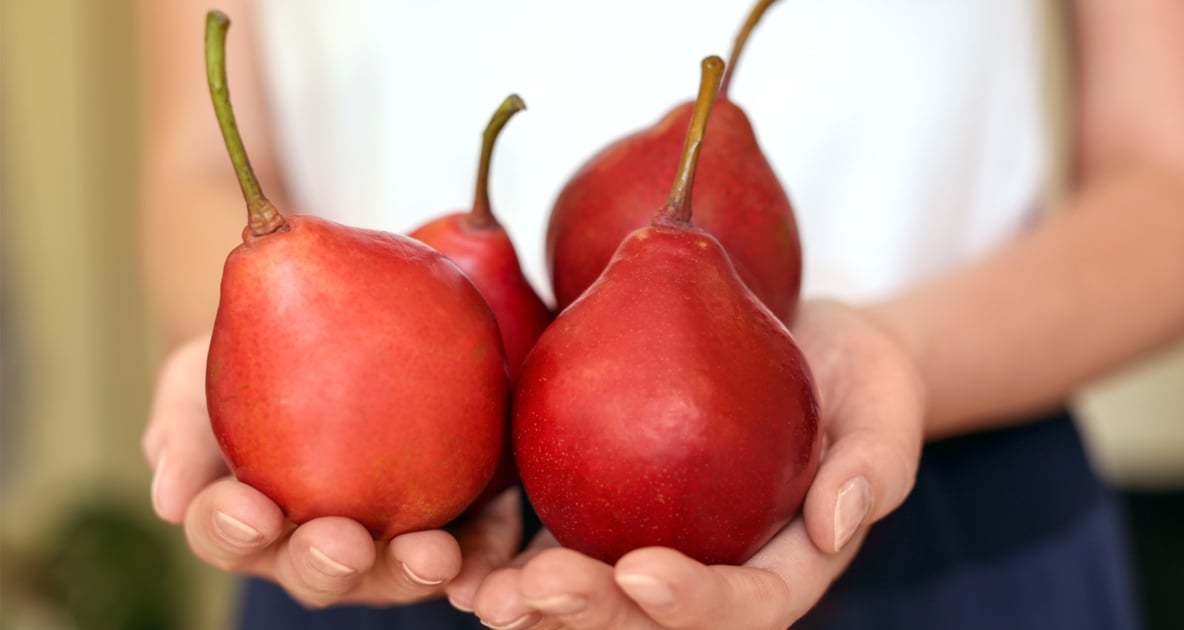
Quick Reference: Winter Superfoods
- The list: Pears, chia, avocado, cabbage, citrus, pomegranates, brussels sprouts, blueberries, beets, garlic.
- Why winter? These 10 are either in peak season, store well from fall harvest, or are shelf-stable and immune-supporting when fresh produce runs thin.
- Top vitamin C picks: One cup of raw cabbage covers 190% of the daily target; citrus and brussels sprouts also clear 100%.
- Best budget swap: Cabbage is the second most economical cooked vegetable per edible cup (potatoes are first).
- Immune-support standout: Raw crushed garlic, taken preventatively during cold and flu season.
Even in the frosty months, you can still fill a plate with fresh, nutrient-dense produce. Do not let the chill deter you: there is an abundance of delectable fruits and vegetables available to tantalize your taste buds. Below are ten winter superfoods that pack a nutritional punch, plus a few creative ways to cook them.
What Counts as a Winter Superfood?
The term “superfood” is marketing shorthand, not a regulated definition, but the Harvard T.H. Chan School of Public Health uses it for produce that is nutrient-dense, low in processed calories, and delivers antioxidants or fiber that most Western diets undershoot. The 2020-2025 Dietary Guidelines for Americans flag potassium, fiber, calcium, and vitamin D as under-consumed nutrients. Seven of the ten foods below hit at least two of those markers.
Our Top 10 Superfoods for Winter
1. Pears
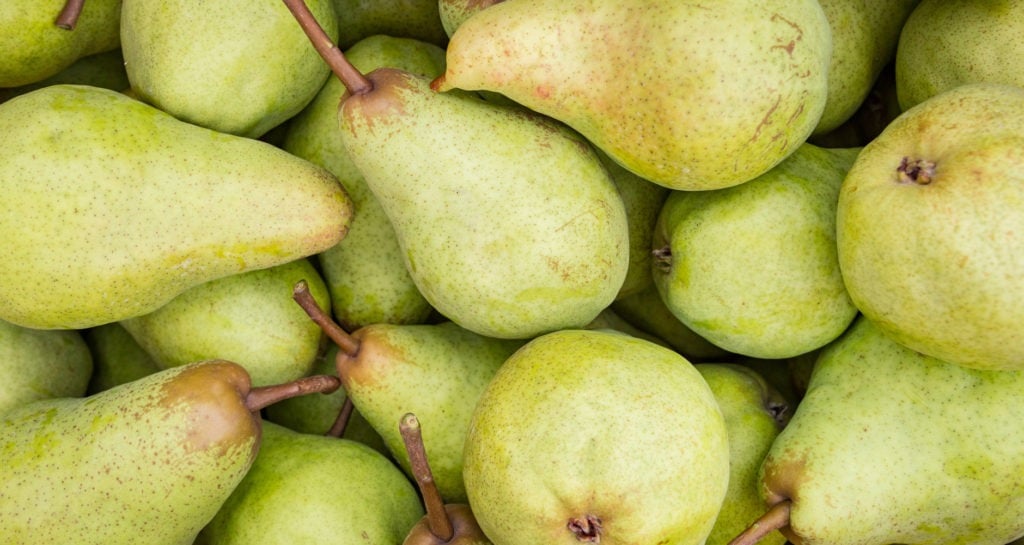
Pears, including Asian pears, are rich in fiber and essential nutrients like vitamins C and K, copper, and potassium. The high fiber content is crucial for maintaining a healthy heart, intestines, and blood pressure. Fiber also aids the absorption of vitamins and minerals from other foods. Vitamin C, an antioxidant, helps neutralize free radicals and supports iron absorption. Vitamin K and copper are vital for bone and blood health and energy production. Asian pears share the same nutritional profile but stand out for a crisp texture reminiscent of apples. Try diced or grated Asian pears in your next pork, seafood, or vegetarian stir fry.
2. Chia
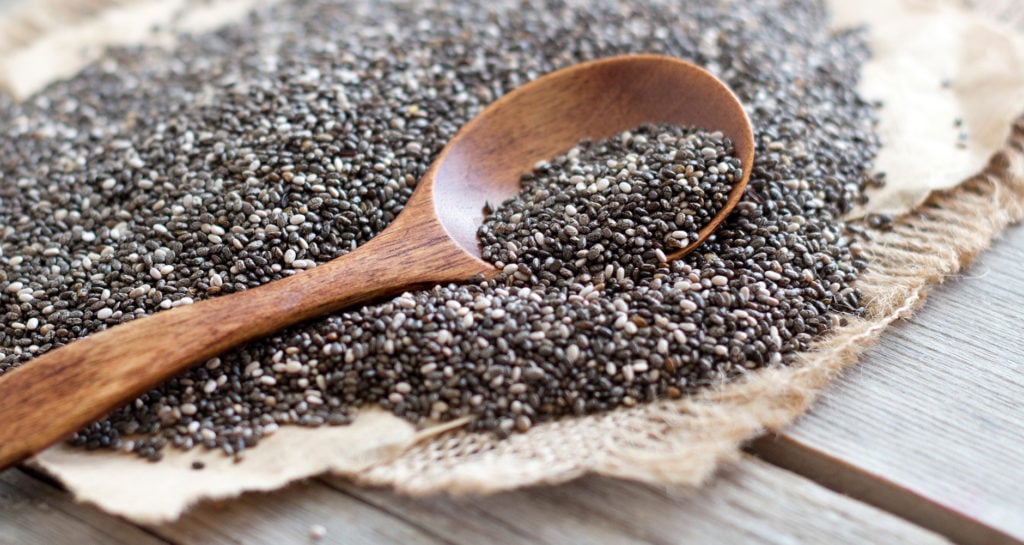
If your only exposure to chia seeds is using them to grow a Chia Pet, you are not alone. Originally from Central and South America, these little seeds were first exported to the United States for decorating houseplants. Chia is also a great source of nutrients: omega-3 fatty acids that support heart, joint, and brain function, plus dietary fiber, protein, calcium, phosphorus, and manganese. They can be eaten raw but are more commonly added to smoothies, oatmeal, or muffins for a nutritional boost.
3. Avocado
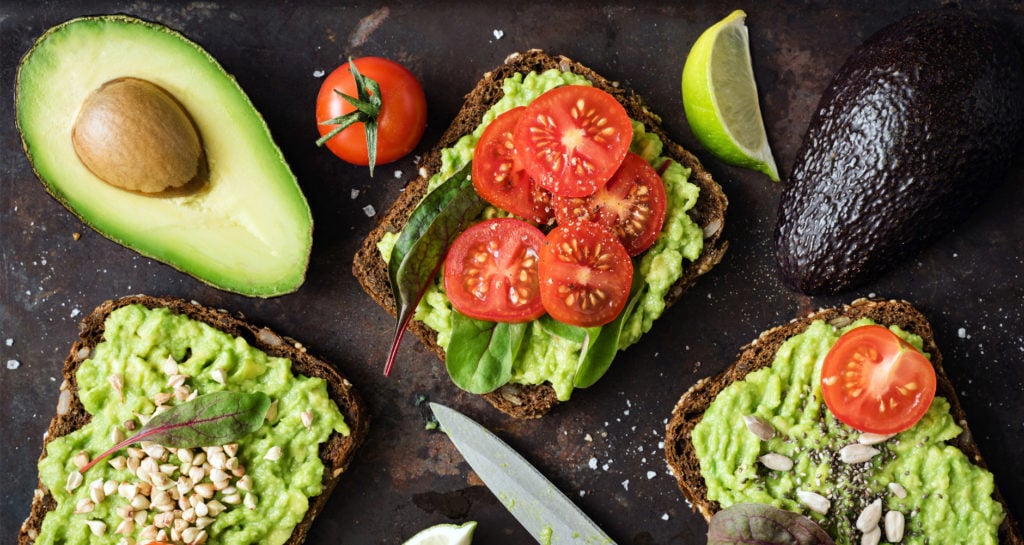
Avocados taste delicious and are incredibly nutritious. They are packed with folate, potassium, vitamin E, lutein, and magnesium, and they are rich in fiber and healthy monounsaturated fats, which help lower bad cholesterol and raise good cholesterol. They are also loaded with antioxidants that fight free radicals. Regular avocado intake may protect against heart disease, cancer, and degenerative eye and brain diseases. Grab this easy recipe.
4. Cabbage
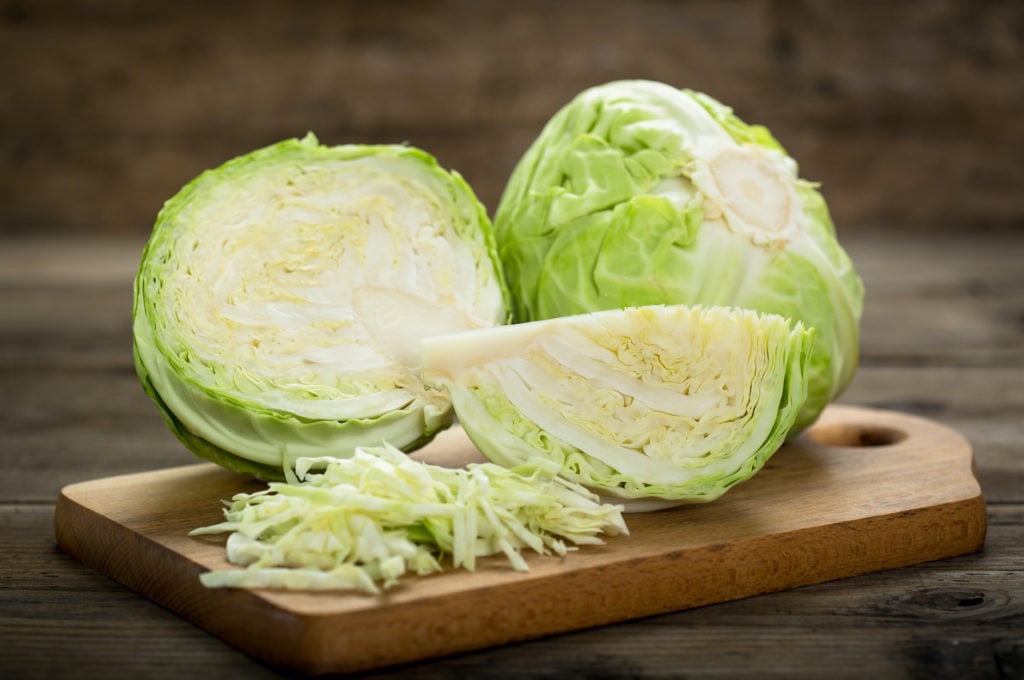
If you are truly trying to improve your diet, adding this cruciferous vegetable to your meal plan is a good place to start. One cup of shredded raw cabbage contains 190% of the daily amount of vitamin C. Cabbage is the second most economical cooked vegetable in terms of price per edible cup (second only to potatoes). That makes it a nutritional bargain. Add it to soups, make cole slaw, or wrap it into stuffed cabbage rolls.
5. Citrus
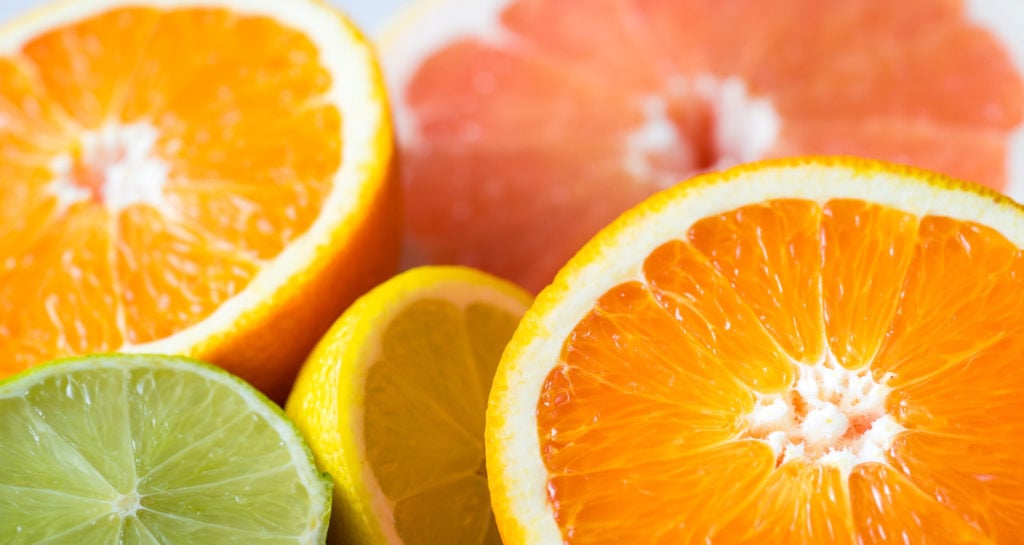
At a time of year when fresh produce is scarce, citrus fills the gap. Centuries ago, sailors relied on citrus during long voyages to prevent scurvy when other fresh food ran out. Oranges and other citrus fruits are rich in vitamin C, a vital nutrient that supports the production of collagen. Collagen is necessary for building and repairing skin, blood vessels, bones, ligaments, tendons, and teeth.
6. Pomegranates
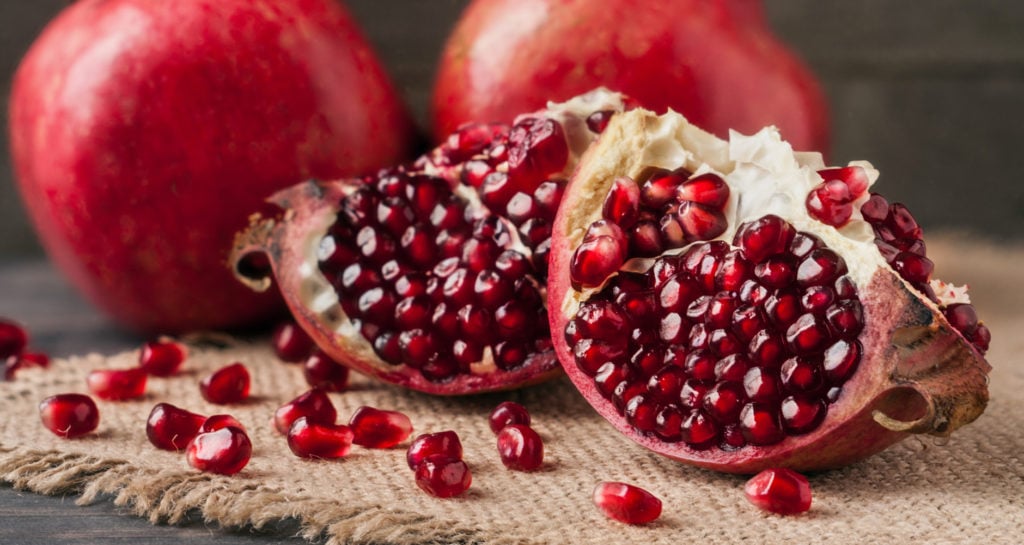
Pomegranates are often hailed as the most powerful antioxidant of all fruits. Among the oldest cultivated fruits, they originated in ancient Persia and are an excellent source of dietary fiber and vitamin C. They also provide vitamin B6, potassium, magnesium, and iron. For a visually appealing, tart, crunchy, and highly nutritious treat, try adding fresh pomegranate seeds to a citrus fruit salad.
7. Brussels Sprouts
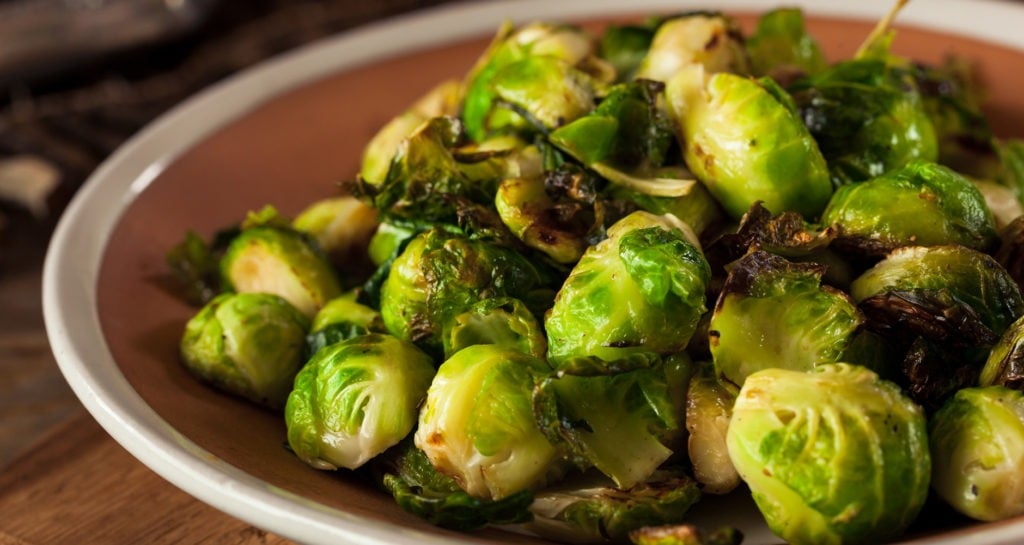
Brussels sprouts have made a remarkable comeback, thanks to roasting methods that show up all over cooking websites. They are excellent sources of fiber, are rich in protein, and provide more than 100% of the daily intake of vitamins C and K. They are also a good source of vitamin B6, folate, manganese, and iron. Quite the nutritional feat for such a small vegetable.
8. Blueberries
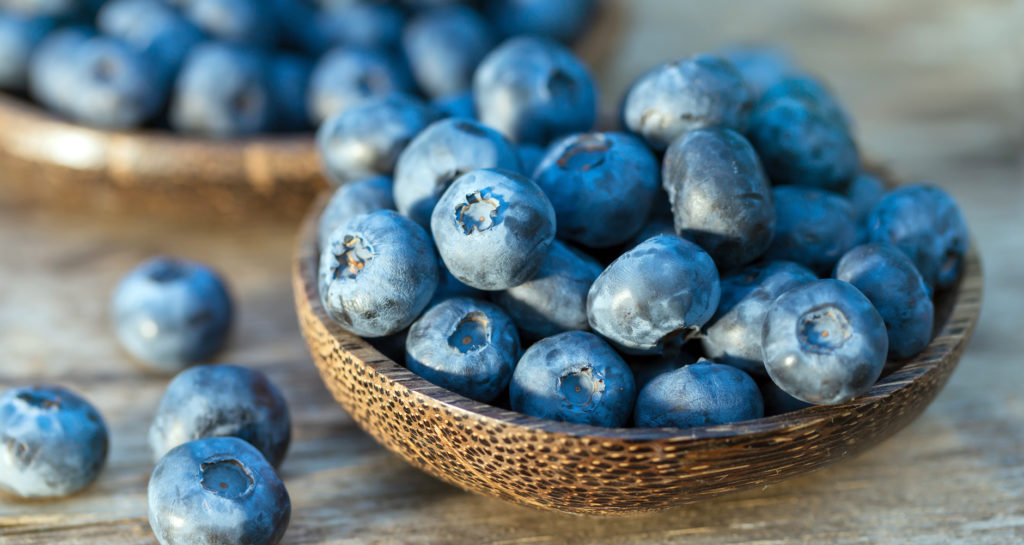
There is a reason blueberries consistently rank high on superfood lists. They contain an astounding number of health benefits. When it comes to eating your colors, blue is super. Blueberries are high in antioxidants, vitamins C, K, and B6, and minerals such as phosphorus and manganese. They are high in fiber and low in calories, and have practically no fat. That makes them perfect for satisfying appetite and sweet cravings, managing cholesterol and weight, and maintaining digestive regularity and heart health. High-bush blueberries and low-bush wild blueberries are both available in the freezer aisle year-round, and frozen are just as beneficial as fresh. Use them in smoothies, pancakes, muffins, and pies. See our winning blueberry recipes.
9. Beets
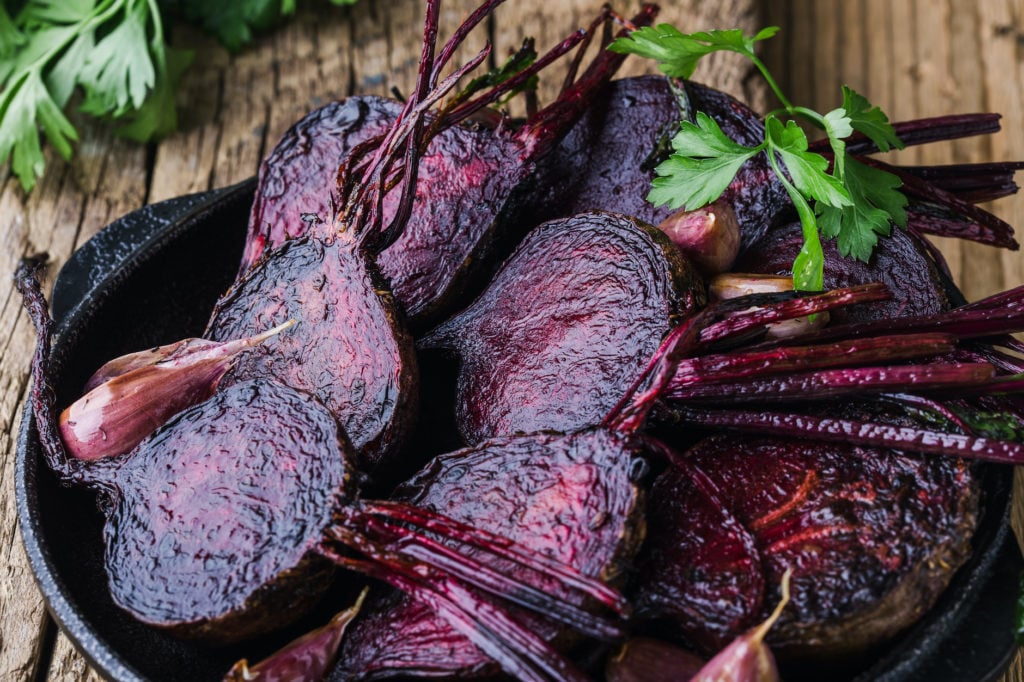
These root vegetables boast numerous nutrients and health benefits. Rich in vitamin C, dietary fiber, and essential minerals such as potassium, manganese, and folate, beets effectively lower blood pressure, prevent inflammation, and support cellular health. They also assist in detoxifying the body by supporting the blood and liver. Do not overlook beet greens: they contain more iron than spinach and offer greater nutritional value than the beetroot itself. Packed with protein, phosphorus, zinc, magnesium, potassium, copper, manganese, vitamins A, B6, C, K, calcium, iron, and dietary fiber, beet greens strengthen immune function and bones.
10. Garlic
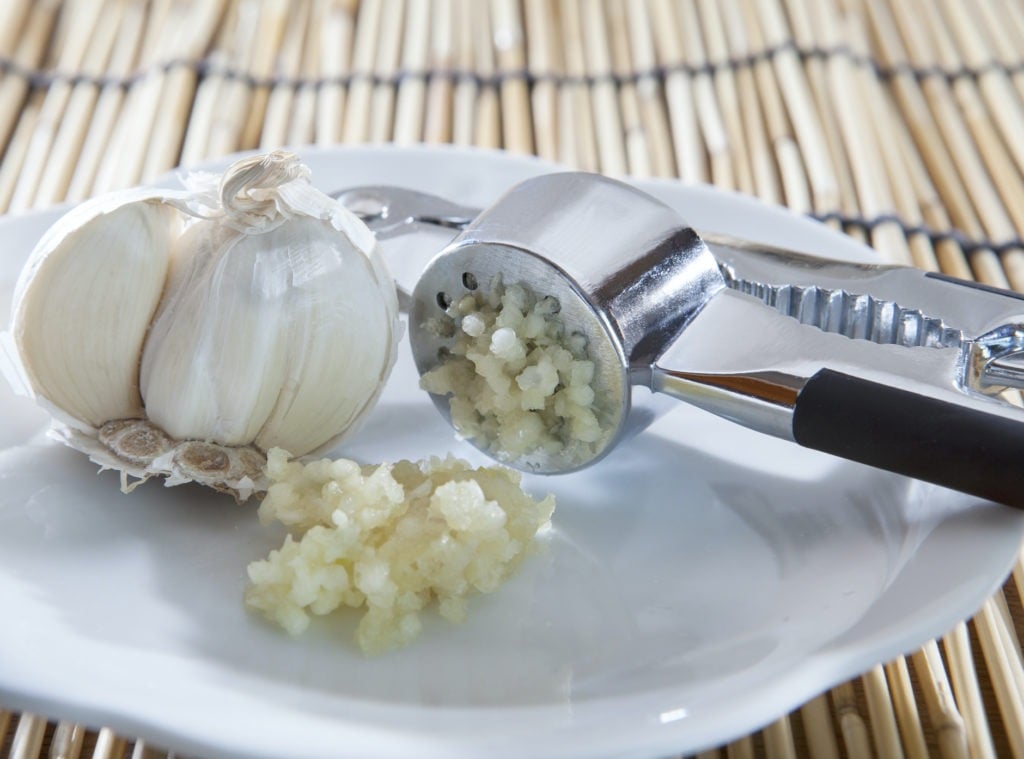
Wintertime is an ideal season to add more garlic to your diet, as colds and flu are widespread. Consuming crushed raw garlic provides an excellent source of selenium, germanium, and sulfhydryl amino acids (a form of sulfur), all of which contribute to a healthy immune system. It is essential to start eating garlic before you get a cold; it supports the body against illness but cannot cure one. Try making a batch of cheesy garlic bread and folding raw grated garlic into salad dressings and roasted vegetables all winter long.
With assistance from freelancer Deborah Tukua.

What Is Actually in Season in Winter
Not every food on this list is at peak in December. Some are stored (pears, garlic, brussels sprouts), some are imported (citrus, avocado), and some are pantry staples (chia, dried beets). Here is a rough North American seasonality guide from the USDA seasonal produce guide:
Related
Healthy Reasons to Eat Cranberries

Frequently Asked Questions
What are the healthiest winter superfoods?
Cruciferous vegetables (brussels sprouts, cabbage), citrus fruits, pomegranates, avocados, blueberries, beets, pears, chia seeds, and garlic all deliver strong nutrient density and immune support. They also happen to be in season, cold-storaged, or shelf-stable through winter.
Which winter superfood has the most vitamin C?
Raw cabbage is the surprise winner: one cup of shredded raw cabbage delivers 190 percent of the daily target. Brussels sprouts and citrus fruits also clear 100 percent per serving.
Is frozen fruit as nutritious as fresh?
For blueberries, yes. They are picked and flash-frozen at peak, so the vitamin C, antioxidant, and fiber content is nearly identical to fresh. The same is broadly true for most flash-frozen produce.
Can garlic actually prevent a cold?
Raw crushed garlic contains selenium, germanium, and sulfur compounds that support immune function. Studies suggest it can reduce cold duration and frequency, but it will not cure an illness already underway. Start eating it before symptoms hit.
What is the most affordable winter superfood?
Cabbage. It is the second most economical cooked vegetable per edible cup, right behind potatoes. A single head can carry a family through cole slaw, cabbage rolls, soup, and a stir fry.
Are winter superfoods actually in season in winter?
Some are: citrus, pomegranates, brussels sprouts, and beets peak October through March. Others (pears, cabbage, garlic) are stored from fall harvest. Avocado and chia are year-round. Blueberries go frozen.
Do I need supplements if I eat these ten foods?
For most healthy adults, no. Rotating cruciferous vegetables, citrus, whole grains, and healthy fats through the week covers the major nutrients under-consumed by the average US diet. Talk to your doctor before starting or stopping supplements.


This article was published by the Staff at FarmersAlmanac.com. Any questions? Contact us at [email protected].
- Farmers' Almanac Staff

- Farmers' Almanac Staff

- Farmers' Almanac Staff

- Farmers' Almanac Staff





My wife would roast beets & Brussels sprouts together on a cookie sheet with a little butter & a generous sprinkling of Cajun seasonings. And we liked to put beet greens in salad.
Yum! Roasted beets and Brussels are thanks for sharing.
May need to try that out, thanks for suggestion